
Small camas
Camassia quamash, family Asparagaceae
A blue-flowered wild bulb of western North America, valued for its edible bulbs
Small camas is a perennial bulb plant native to western North America, especially southern Canada and the northwestern United States. Its star-shaped blue flowers bloom in late spring, often coloring meadows blue. Indigenous peoples have long harvested its bulbs for food, roasting or boiling them after flowering.
- Star-shaped blue flowers bloom in late spring and early summer
- Bulbs are edible when roasted or boiled, but resemble toxic death-camas bulbs
- Native to western North America, from Canada to California and Montana
- Important traditional food for many Indigenous peoples
- Grown as an ornamental for its blue-violet meadows
What does Small camas look like?
Small camas is a perennial herb that grows from a bulb about 1 to 5 cm wide, with a black outer layer and white, layered interior. Its grasslike leaves, up to nine per plant, are long and narrow, all arising from the base. The leafless stem can reach 80 cm, topped by a cluster of star-shaped flowers. Each flower is about 2.5 cm across, with six blue tepals and six stamens. The flowers range from pale to deep blue and appear in late spring to early summer, often covering meadows in blue.
Where does Small camas come from?
Small camas is native to large parts of western North America, from British Columbia and Alberta south to California and east to Montana and Wyoming. It grows in meadows, prairies, marshes, forest edges, rocky outcrops, and along streams. Indigenous peoples, including the Nez Perce, Cree, and Blackfoot, have long gathered its bulbs as a staple food. The plant’s name comes from the Nez Perce word for its sweet bulb. Camas meadows were once widespread, but many have been lost to agriculture and settlement.
When and how Small camas blooms
Small camas blooms from late spring to early summer. It grows from bulbs planted in well-drained, humus-rich soil and can thrive in open meadows, lightly shaded woods, or rocky places. The plant spreads mainly by seed, not by runners, and bulbs can be divided in autumn after leaves die back. Indigenous peoples traditionally dug the bulbs after flowering, often roasting or boiling them for food.


How Small camas is used
The bulbs of small camas have been an important food for many Native American tribes in the Pacific Northwest and western Canada. After harvesting in autumn, bulbs are pit-roasted or boiled, sometimes producing a syrup, or dried and pounded into flour. The cooked bulbs taste sweet, similar to baked sweet potato. Camas is also grown as an ornamental for its blue flowers, which can color entire meadows.
Kinds of Small camas
There are eight recognized subspecies of Camassia quamash, including azurea, breviflora, intermedia, linearis, maxima, quamash, utahensis, and walpolei. These subspecies vary in details such as flower size and habitat. The plant is sometimes confused with the toxic white-flowered death-camas, which grows in similar areas.
What Small camas means
Camas has deep cultural importance for Indigenous peoples of western North America, who have cultivated and harvested it for generations. The plant’s bulbs were a staple food and played a role in the survival of the Lewis and Clark Expedition. Camas meadows are part of regional heritage, and the plant is listed in the Ark of Taste for its traditional food value. Loss of camas lands has been a source of conflict and cultural loss.
Questions people ask about Small camas
Where does small camas come from?
Small camas is native to western North America, found from British Columbia and Alberta in Canada down to California and east to Montana and Wyoming in the United States.
What does small camas look like?
It is a perennial herb with long, narrow, grasslike leaves and a leafless stem topped by a cluster of star-shaped blue flowers, each about 2.5 cm across. The flowers bloom in late spring to early summer.
What is small camas used for?
The bulbs have been an important traditional food for Indigenous peoples, who roast or boil them after flowering. The plant is also grown as an ornamental for its blue flowers.
Is small camas safe to eat?
The bulbs are edible when properly cooked, but they closely resemble the bulbs of the toxic white-flowered death-camas, so careful identification is needed.
What does small camas mean culturally?
Small camas holds cultural significance for Indigenous peoples of the Pacific Northwest, who have cultivated and relied on it as a staple food for generations. It is also recognized in the Ark of Taste for its traditional value.
Good reading and sources
- Camassia quamashUS Department of Agriculture, Article
- Camassia quamashRoyal Horticultural Society, Article
- Plants of the World OnlineRoyal Botanic Gardens, Kew, Plant database
- Where it has been recordedGBIF, Plant database
- Sightings and photos by naturalistsiNaturalist, Plant database
- Camassia quamash on WikipediaEncyclopedia
- More photos on Wikimedia CommonsPhotos
- Wikidata recordOpen data
The facts on this page come from the Wikipedia article "Camassia quamash", written by its contributors and used under the CC BY-SA 4.0 licence, and from its Wikidata record (CC0). Phool rewrote the text in its own words, with AI assistance, and compares every page with the article to make sure no passage is copied. It may be reused under the same CC BY-SA 4.0 licence with a link back.
It may contain mistakes. It is not medical or foraging advice: many flowers are poisonous, and traditional uses are reported, not recommended. If something is wrong, tell us. Last refreshed 2026-10-03.
Others in the family Asparagaceae
The whole family Lily-of-the-valleyConvallaria majalis
A woodland plant with sweet-scented white bell flowers in late spring
🇫🇮 Finland and 4 more · Wildflower
Lily-of-the-valleyConvallaria majalis
A woodland plant with sweet-scented white bell flowers in late spring
🇫🇮 Finland and 4 more · Wildflower
 HyacinthHyacinthus
A spring-blooming bulb with fragrant, colourful flower spikes
🇹🇷 Turkey and 7 more · Bulb flower
HyacinthHyacinthus
A spring-blooming bulb with fragrant, colourful flower spikes
🇹🇷 Turkey and 7 more · Bulb flower
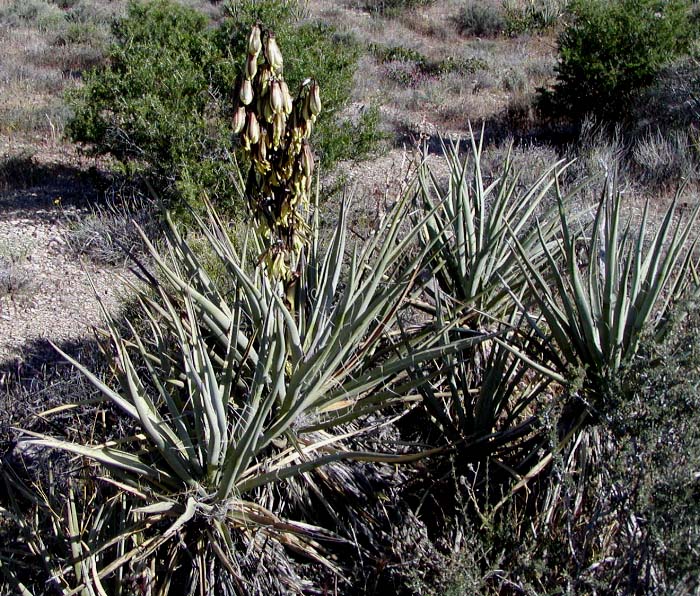 Yucca
Dry-climate plants with pointed leaves and clusters of creamy white flowers
🇲🇽 Mexico and 4 more · Wildflower
Yucca
Dry-climate plants with pointed leaves and clusters of creamy white flowers
🇲🇽 Mexico and 4 more · Wildflower
 Ornithogalum thyrsoides
A white, long-lasting bulb flower from South Africa’s Cape Province
🇿🇦 South Africa · Bulb flower
Ornithogalum thyrsoides
A white, long-lasting bulb flower from South Africa’s Cape Province
🇿🇦 South Africa · Bulb flower
More from Canada
All the flowers of Canada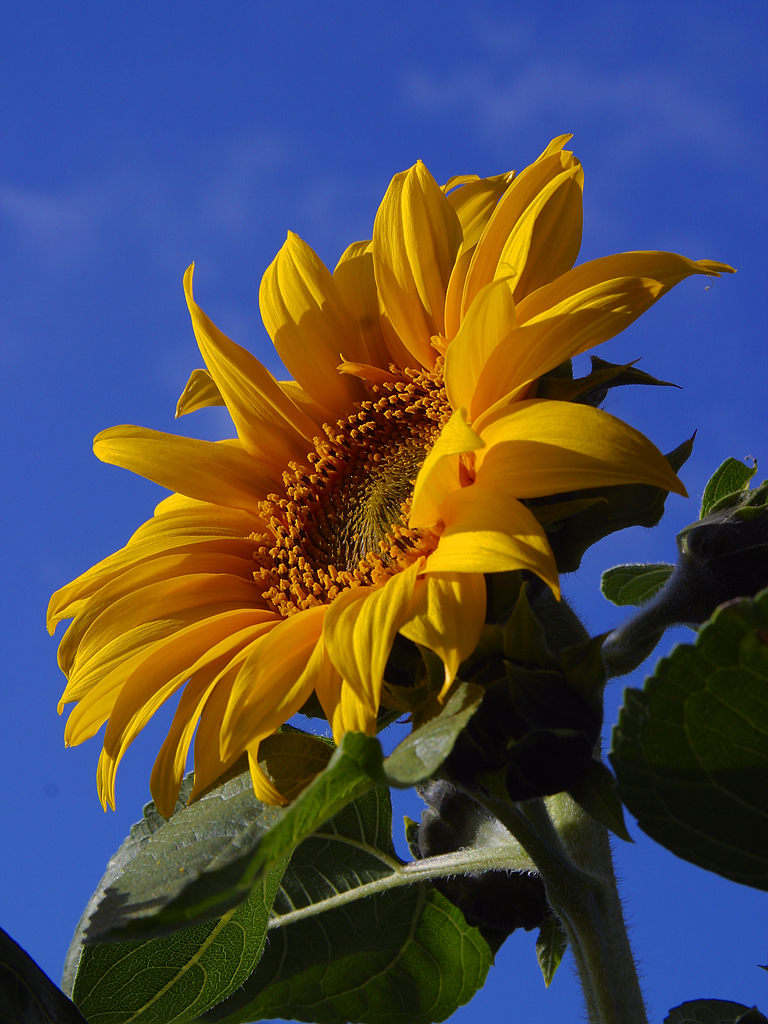 Common sunflowerHelianthus annuus
A tall annual plant grown for its large yellow flower heads and edible seeds
🇨🇦 Canada and 4 more · Wildflower
Common sunflowerHelianthus annuus
A tall annual plant grown for its large yellow flower heads and edible seeds
🇨🇦 Canada and 4 more · Wildflower
 BirchBetula
Slender trees with papery bark found across the northern world
🇨🇳 China and 7 more · Wildflower
BirchBetula
Slender trees with papery bark found across the northern world
🇨🇳 China and 7 more · Wildflower
 CactusCactaceae
Succulent plants with spines, native to the Americas
🇲🇽 Mexico and 7 more · Wildflower
CactusCactaceae
Succulent plants with spines, native to the Americas
🇲🇽 Mexico and 7 more · Wildflower
 TulipTulipa
Spring-blooming bulbs with showy, cup-shaped flowers in many colours
🇳🇱 Netherlands and 7 more · Wildflower
TulipTulipa
Spring-blooming bulbs with showy, cup-shaped flowers in many colours
🇳🇱 Netherlands and 7 more · Wildflower