![Pollen from each species Catasetum saccatum ( I ) and Catasetum discolor ( II ) attach to the dorsal and ventral parts of Eulaema cingulata ( ◊ ) respectively. [ 1 ] [ 2 ] :194 The pollen on the legs of the bee are to be](https://thumb.wikimedia.org/wikipedia/commons/thumb/a/aa/Eulaema_cingulata_with_Catasetum_saccatum_and_Catasetum_discolor_pollen_atttachment_locations.png/1280px-Eulaema_cingulata_with_Catasetum_saccatum_and_Catasetum_discolor_pollen_atttachment_locations.png)
Catasetum
A genus of unusual, showy epiphytic orchids from the Americas
Catasetum is a group of about 200 orchid species found from Mexico through Central and South America, with most species in Brazil. These orchids are known for their thick pseudobulbs, pleated leaves, and strikingly different male and female flowers, which grow on separate plants and can vary in color and size.
- Catasetum orchids have separate male and female flowers on different plants.
- The male flowers can eject pollen sacs with explosive force.
- Most species grow as epiphytes in wet forests from Mexico to Argentina.
- Some Catasetum orchids start life in ant nests high in the canopy.
- There are about 200 species and several natural hybrids in the genus.
What does Catasetum look like?
Catasetum orchids have thick, cigar-shaped pseudobulbs that cluster together. Their leaves are pleated and fall off at certain times, leaving the pseudobulbs spiny. The flowers are fleshy and come in two forms: colorful male flowers and yellowish-green female flowers, usually on separate plants. Male and female flowers differ greatly in size and color, making them stand out among orchids.
Where does Catasetum come from?
Catasetum grows wild from Mexico to Argentina, including much of Central and South America. Brazil has the greatest number of species. These orchids are mainly found in very wet forests, often high in the canopy. They were once thought to be different species because of the dramatic differences between male and female flowers, a mystery solved by Charles Darwin.
When and how Catasetum blooms
Catasetum orchids grow as epiphytes, meaning they live on trees rather than in soil. They often start life in decomposing wood, helped by fungi that break down the wood and provide nutrients. Some species even grow in ant nests, which supply extra nitrogen. These orchids need constant moisture and specific temperatures, making them challenging to grow outside greenhouses.


How Catasetum is used
Many Catasetum species are prized by orchid collectors and are grown in greenhouses for their unusual flowers. Their striking appearance makes them popular in horticulture, though they are not easy to keep. Some species attract and host ant colonies, which can be a challenge for growers.
Kinds of Catasetum
There are about 200 species in the genus Catasetum, along with several natural hybrids found in places like Brazil, Venezuela, the Guianas, and Ecuador. Hybrids such as Catasetum × dunstervillei and Catasetum × violascens show the diversity in flower form and color within the group.
What Catasetum means
Catasetum orchids are notable for their unique biology, especially their separate male and female flowers and explosive pollination mechanism. Charles Darwin studied them to understand orchid fertilization. While they are highly valued by orchid enthusiasts, their care requirements limit their presence to specialist collections.
Questions people ask about Catasetum
Where does Catasetum come from?
Catasetum orchids are native to a wide area from Mexico through Central America and much of South America, with the greatest diversity found in Brazil.
What makes Catasetum orchids unusual?
They have separate male and female flowers, often on different plants, which is rare among orchids. The male flowers can eject pollen sacs explosively when touched.
How are Catasetum orchids grown?
They grow as epiphytes in very wet forests, often starting life in decomposing wood or ant nests. They require constant moisture and specific temperatures, making them difficult to grow without a greenhouse.
What are Catasetum orchids used for?
They are mainly grown by orchid collectors and enthusiasts for their unusual and showy flowers. Their care needs make them less common in regular homes.
Are there different types of Catasetum orchids?
Yes, there are about 200 species and several natural hybrids, with a wide range of flower forms and colors.
Good reading and sources
- USDA Plants DatabaseUS Department of Agriculture, Article
- Plants of the World OnlineRoyal Botanic Gardens, Kew, Plant database
- Where it has been recordedGBIF, Plant database
- Sightings and photos by naturalistsiNaturalist, Plant database
The facts on this page come from the Wikipedia article "Catasetum", written by its contributors and used under the CC BY-SA 4.0 licence, and from its Wikidata record (CC0). Phool rewrote the text in its own words, with AI assistance, and compares every page with the article to make sure no passage is copied. It may be reused under the same CC BY-SA 4.0 licence with a link back.
It may contain mistakes. It is not medical or foraging advice: many flowers are poisonous, and traditional uses are reported, not recommended. If something is wrong, tell us. Last refreshed 2026-10-03.
Others in the family Orchidaceae
The whole family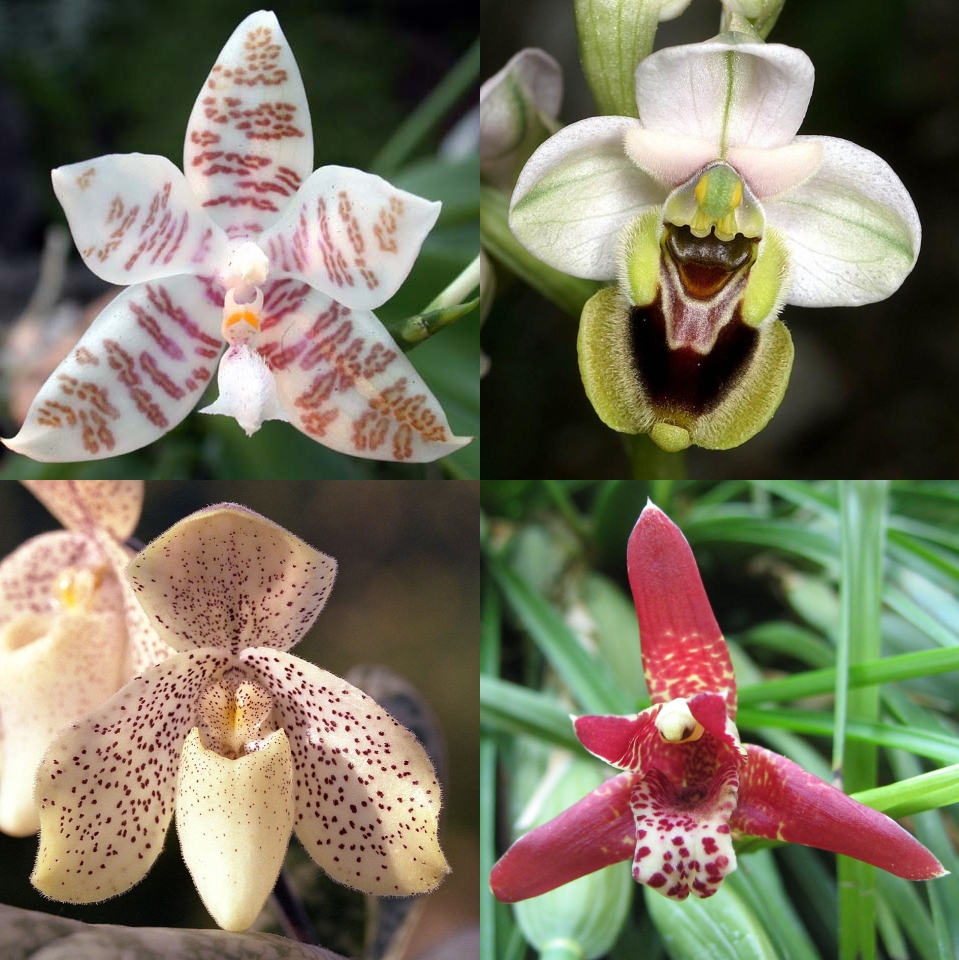 OrchidOrchidaceae
A vast family of colourful, often fragrant flowers found almost everywhere on earth
Orchidaceae · Wildflower
OrchidOrchidaceae
A vast family of colourful, often fragrant flowers found almost everywhere on earth
Orchidaceae · Wildflower
 Vanilla
Climbing orchids with pods used for the world’s most popular flavor
🇲🇽 Mexico and 7 more · Wildflower
Vanilla
Climbing orchids with pods used for the world’s most popular flavor
🇲🇽 Mexico and 7 more · Wildflower
 Orchis
A group of wild orchids with tuberous roots from Europe, North Africa and Asia
🇹🇷 Turkey and 7 more · Wildflower
Orchis
A group of wild orchids with tuberous roots from Europe, North Africa and Asia
🇹🇷 Turkey and 7 more · Wildflower
 Pansy orchidMiltoniopsis
An orchid with flowers that resemble garden pansies
🇨🇷 Costa Rica and 5 more · Orchid
Pansy orchidMiltoniopsis
An orchid with flowers that resemble garden pansies
🇨🇷 Costa Rica and 5 more · Orchid
More from Brazil
All the flowers of Brazil CactusCactaceae
Succulent plants with spines, native to the Americas
🇲🇽 Mexico and 7 more · Wildflower
CactusCactaceae
Succulent plants with spines, native to the Americas
🇲🇽 Mexico and 7 more · Wildflower
 Eucalyptus
The tall, aromatic trees and shrubs known as gum trees or eucalypts
🇦🇺 Australia and 7 more · Flowering tree
Eucalyptus
The tall, aromatic trees and shrubs known as gum trees or eucalypts
🇦🇺 Australia and 7 more · Flowering tree
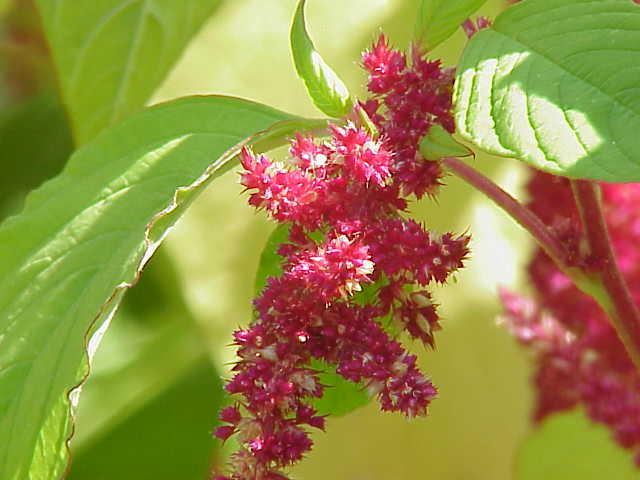 AmaranthAmaranthus
A tall, colourful plant grown for its flowers, leaves and edible seeds
🇲🇽 Mexico and 7 more · Wildflower
AmaranthAmaranthus
A tall, colourful plant grown for its flowers, leaves and edible seeds
🇲🇽 Mexico and 7 more · Wildflower
 Sensitive PlantMimosa pudica
A touch-sensitive plant whose leaves fold up when disturbed
🇧🇷 Brazil and 8 more · Wildflower
Sensitive PlantMimosa pudica
A touch-sensitive plant whose leaves fold up when disturbed
🇧🇷 Brazil and 8 more · Wildflower