
Slipper orchid
Cypripedium, family Orchidaceae
In its own language: 杓兰
Hardy northern orchids with a pouch-shaped lower petal
Slipper orchids are terrestrial orchids found across the Northern Hemisphere, from temperate zones to tropical mountains and even Arctic tundra. They have upright stems with pleated leaves and distinctive flowers featuring a slipper-like lip that traps pollinators briefly.
- Grows as far north as Arctic tundra in Alaska and Siberia
- Used medicinally in East Asia for 2,500 years
- Flower’s slipper-shaped lip traps pollinators briefly
- One species nearly extinct in Britain by late 20th century
- Includes 58 recognized species and natural hybrids
What does Slipper orchid look like?
Slipper orchids grow from short, sturdy rhizomes just below the soil surface. Most send up tall, leafy stems, though a few, like the pink lady’s slipper, keep their leaves close to the ground. Their leaves are often hairy and folded lengthwise. Each stem bears one to several flowers with three petals, the lowest one shaped like a deep pouch or slipper, and three sepals. The lip is usually a different colour from the rest of the flower.
Where does Slipper orchid come from?
This genus occurs widely across the cooler parts of the Northern Hemisphere, reaching as far south as Honduras and Myanmar and as far north as Alaska and Siberia. One species grows in Algeria, the only African representative. The name comes from Greek words for Aphrodite and sandal, reflecting the flower’s shape. In China, it is called Sháo Lán, meaning 'ladle orchid'.
When and how Slipper orchid blooms
These orchids thrive in temperate to subtropical climates, with some enduring tundra conditions under snow cover. They bloom as the snow melts in colder regions. Growth begins each year from a bud at the tip of the rhizome, while the older end dies back. Stems lack pseudobulbs, unlike many other orchids.


How Slipper orchid is used
For over 2,500 years, slipper orchids have been used in traditional medicine in East Asia. Some species are now legally protected due to habitat loss and over-collection for their striking flowers. Conservation efforts are underway in places like the United Kingdom, where one species nearly vanished.
Kinds of Slipper orchid
The genus includes 58 accepted species and natural hybrids. Eurasian types often have yellow or red blooms, while North American ones tend toward yellow. Cypripedium irapeanum from Mexico and C. californicum from California are considered early offshoots in the group’s evolution.
What Slipper orchid means
Several species are rare in the wild and protected by law. In Britain, only one plant of Cypripedium calceolus was known to survive by the late 1900s. Despite their beauty, they are not commonly cultivated due to specific growing needs. Their unique flower structure evolved to temporarily trap insects for pollination.
Questions people ask about Slipper orchid
Where do slipper orchids come from?
They grow wild across the Northern Hemisphere, from Europe and North Africa through Asia to North America, including cold regions like Alaska and Siberia.
What do slipper orchids look like?
They have upright stems with pleated leaves and flowers with a distinctive pouch-like lower petal, often in contrasting colours like pink, yellow or white.
How are slipper orchids used?
They have a long history in traditional East Asian medicine, and their striking flowers have led to over-collection, making many species rare and protected.
Are slipper orchids hardy?
Yes, many tolerate extreme cold, growing under snow and blooming as it melts, unusual among orchids, which typically prefer warmer climates.
Why are they called slipper orchids?
Their lower petal forms a deep, slipper- or pouch-shaped structure that temporarily traps insects to aid pollination.
Good reading and sources
- Encyclopaedia BritannicaArticle
- Ghost orchid comes back from extinctionThe Guardian, Article
- Cypripedium formosanumRoyal Horticultural Society, Article
- USDA Plants DatabaseUS Department of Agriculture, Article
- Plants of the World OnlineRoyal Botanic Gardens, Kew, Plant database
- Where it has been recordedGBIF, Plant database
- Sightings and photos by naturalistsiNaturalist, Plant database
The facts on this page come from the Wikipedia article "Cypripedium", written by its contributors and used under the CC BY-SA 4.0 licence, and from its Wikidata record (CC0). Phool rewrote the text in its own words, with AI assistance, and compares every page with the article to make sure no passage is copied. It may be reused under the same CC BY-SA 4.0 licence with a link back.
It may contain mistakes. It is not medical or foraging advice: many flowers are poisonous, and traditional uses are reported, not recommended. If something is wrong, tell us. Last refreshed 2026-10-03.
Others in the family Orchidaceae
The whole family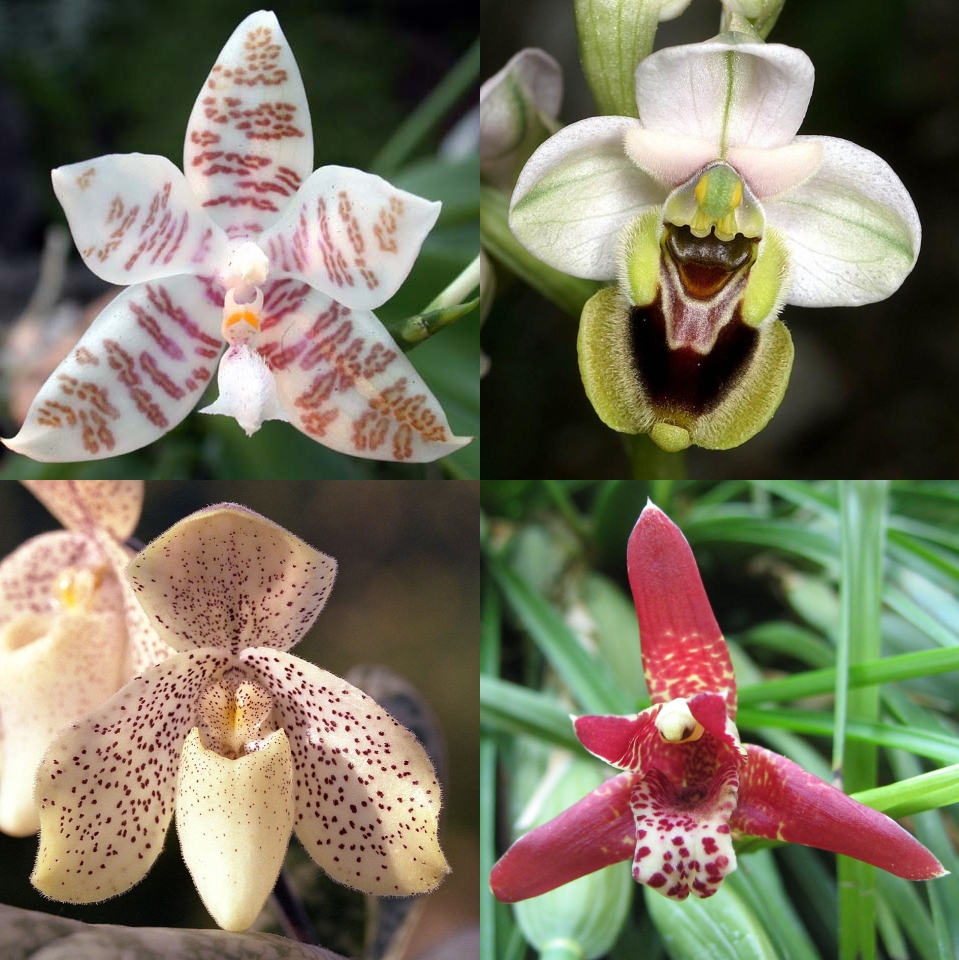 OrchidOrchidaceae
A vast family of colourful, often fragrant flowers found almost everywhere on earth
Orchidaceae · Wildflower
OrchidOrchidaceae
A vast family of colourful, often fragrant flowers found almost everywhere on earth
Orchidaceae · Wildflower
 Vanilla
Climbing orchids with pods used for the world’s most popular flavor
🇲🇽 Mexico and 7 more · Wildflower
Vanilla
Climbing orchids with pods used for the world’s most popular flavor
🇲🇽 Mexico and 7 more · Wildflower
 Orchis
A group of wild orchids with tuberous roots from Europe, North Africa and Asia
🇹🇷 Turkey and 7 more · Wildflower
Orchis
A group of wild orchids with tuberous roots from Europe, North Africa and Asia
🇹🇷 Turkey and 7 more · Wildflower
 Pansy orchidMiltoniopsis
An orchid with flowers that resemble garden pansies
🇨🇷 Costa Rica and 5 more · Orchid
Pansy orchidMiltoniopsis
An orchid with flowers that resemble garden pansies
🇨🇷 Costa Rica and 5 more · Orchid
More from China
All the flowers of China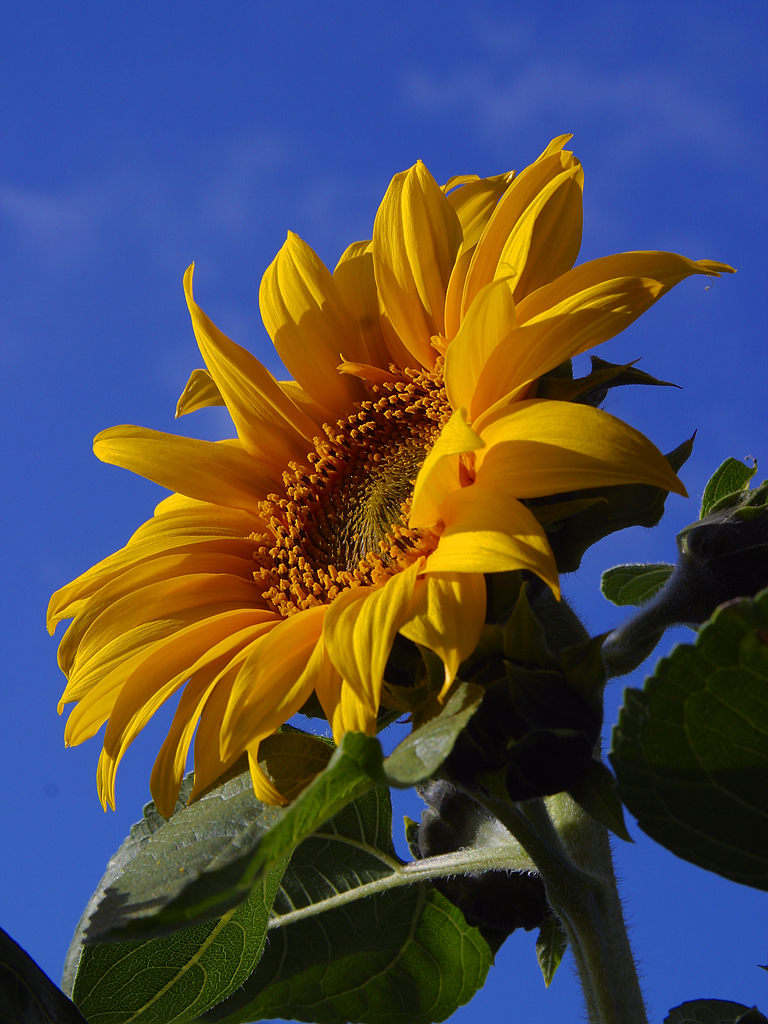 Common sunflowerHelianthus annuus
A tall annual plant grown for its large yellow flower heads and edible seeds
🇨🇦 Canada and 4 more · Wildflower
Common sunflowerHelianthus annuus
A tall annual plant grown for its large yellow flower heads and edible seeds
🇨🇦 Canada and 4 more · Wildflower
 BirchBetula
Slender trees with papery bark found across the northern world
🇨🇳 China and 7 more · Wildflower
BirchBetula
Slender trees with papery bark found across the northern world
🇨🇳 China and 7 more · Wildflower
 FennelFoeniculum vulgare
A tall, aromatic herb with feathery leaves and yellow umbels, used for food and spice
🇨🇳 China and 7 more · Herb or useful flower
FennelFoeniculum vulgare
A tall, aromatic herb with feathery leaves and yellow umbels, used for food and spice
🇨🇳 China and 7 more · Herb or useful flower
 RosemarySalvia rosmarinus
A fragrant evergreen shrub with needle-like leaves and purple, blue, or white flowers
🇪🇸 Spain and 5 more · Flowering shrub
RosemarySalvia rosmarinus
A fragrant evergreen shrub with needle-like leaves and purple, blue, or white flowers
🇪🇸 Spain and 5 more · Flowering shrub