
Yellow lady's slipper
Cypripedium parviflorum, family Orchidaceae
A wild North American orchid with a bright yellow pouch-shaped flower
Yellow lady's slipper is a wild orchid found across North America, from Alaska and Canada to the southern United States. It has a striking yellow, slipper-shaped pouch with reddish or greenish sepals and petals, and grows in forests, woodlands, and wetlands. People value it for its unusual shape and as a native wildflower.
- The flower has a bright yellow pouch shaped like a slipper.
- It grows wild from Alaska to Georgia and Arizona.
- Four main varieties are recognized across its range.
- Prefers upland forests, woodlands, and sometimes wetlands.
What does Yellow lady's slipper look like?
Yellow lady's slipper is a perennial orchid that stands 16 to 60 cm tall, sometimes reaching 80 cm. Its leaves are long, oval, and pleated, with fine hairs underneath. The plant usually has one large flower, rarely two, held above the leaves. The flower's most striking feature is its bright yellow, pouch-like lip, shaped like a slipper, with red-dotted veins and faint reddish spots inside. The sepals and petals are greenish to reddish with stripes and dots, and the flower can be up to 10 cm across.
Where does Yellow lady's slipper come from?
This orchid is native to North America, stretching from Alaska and Canada down to Georgia, Arizona, and New Mexico. It was first named Cypripedium parviflorum in 1791 by Richard Anthony Salisbury. The species is highly variable, partly due to hybridization and its ability to adapt to different environments. Four main varieties are recognized, each with its own range, from Alaska to the southern United States.
When and how Yellow lady's slipper blooms
Yellow lady's slipper grows in upland forests, woodlands, and sometimes wetlands, preferring soils that are slightly acidic to neutral. It thrives in moderate shade to almost full sun, often in fir, pine, or aspen forests at elevations between 1,800 and 2,900 meters. The plant blooms in spring or early summer, producing its distinctive yellow pouch flower. It spreads through slender roots from a jointed rhizome.


How Yellow lady's slipper is used
People appreciate this orchid for its unique appearance and as a symbol of native wildflowers in North America. It is sometimes grown in gardens by enthusiasts who value native plants. In some regions, it is considered an emblematic flower, but the sources do not mention specific ceremonial or medicinal uses.
Kinds of Yellow lady's slipper
There are four main varieties: var. exiliens in Alaska; var. makasin, the northern yellow lady's-slipper, across northern areas; var. parviflorum, the small yellow lady's-slipper, in the southern part of its range; and var. pubescens, the large yellow lady's-slipper, widespread and sometimes treated as a separate species. These varieties differ in size, range, and some flower details.
What Yellow lady's slipper means
Yellow lady's slipper is valued as a native orchid and is sometimes used as a regional emblem. Its unusual slipper-shaped flower makes it a favorite among wildflower enthusiasts and botanists. The plant's variability and wide range have led to many synonyms and local names, reflecting its importance in North American natural heritage.
Questions people ask about Yellow lady's slipper
Where does yellow lady's slipper come from?
Yellow lady's slipper is native to North America, found from Alaska and Canada south to Georgia, Arizona, and New Mexico. It grows in a wide range of habitats, including forests, woodlands, and wetlands.
What does the yellow lady's slipper flower look like?
The flower has a large, bright yellow pouch that resembles a slipper, with greenish to reddish sepals and petals marked by stripes and dots. The plant usually grows 16 to 60 cm tall and has pleated, hairy leaves.
How is yellow lady's slipper used?
It is valued mainly as a wildflower and for its unique appearance. Some people grow it in gardens, and it serves as a symbol of native flora in parts of North America.
Are there different types of yellow lady's slipper?
Yes, there are four main varieties, each found in different regions of North America. They vary in size and some flower features.
What does yellow lady's slipper symbolize?
The sources do not mention a specific symbolism, but it is recognized as an emblematic wildflower in North America and valued for its distinctive shape.
Good reading and sources
- USDA Plants DatabaseUS Department of Agriculture, Article
- IUCN Red List of Threatened SpeciesIUCN Red List, Article
- Plants of the World OnlineRoyal Botanic Gardens, Kew, Plant database
- Where it has been recordedGBIF, Plant database
- Sightings and photos by naturalistsiNaturalist, Plant database
- Cypripedium parviflorum on WikipediaEncyclopedia
- More photos on Wikimedia CommonsPhotos
- Wikidata recordOpen data
The facts on this page come from the Wikipedia article "Cypripedium parviflorum", written by its contributors and used under the CC BY-SA 4.0 licence, and from its Wikidata record (CC0). Phool rewrote the text in its own words, with AI assistance, and compares every page with the article to make sure no passage is copied. It may be reused under the same CC BY-SA 4.0 licence with a link back.
It may contain mistakes. It is not medical or foraging advice: many flowers are poisonous, and traditional uses are reported, not recommended. If something is wrong, tell us. Last refreshed 2026-10-03.
Others in the family Orchidaceae
The whole family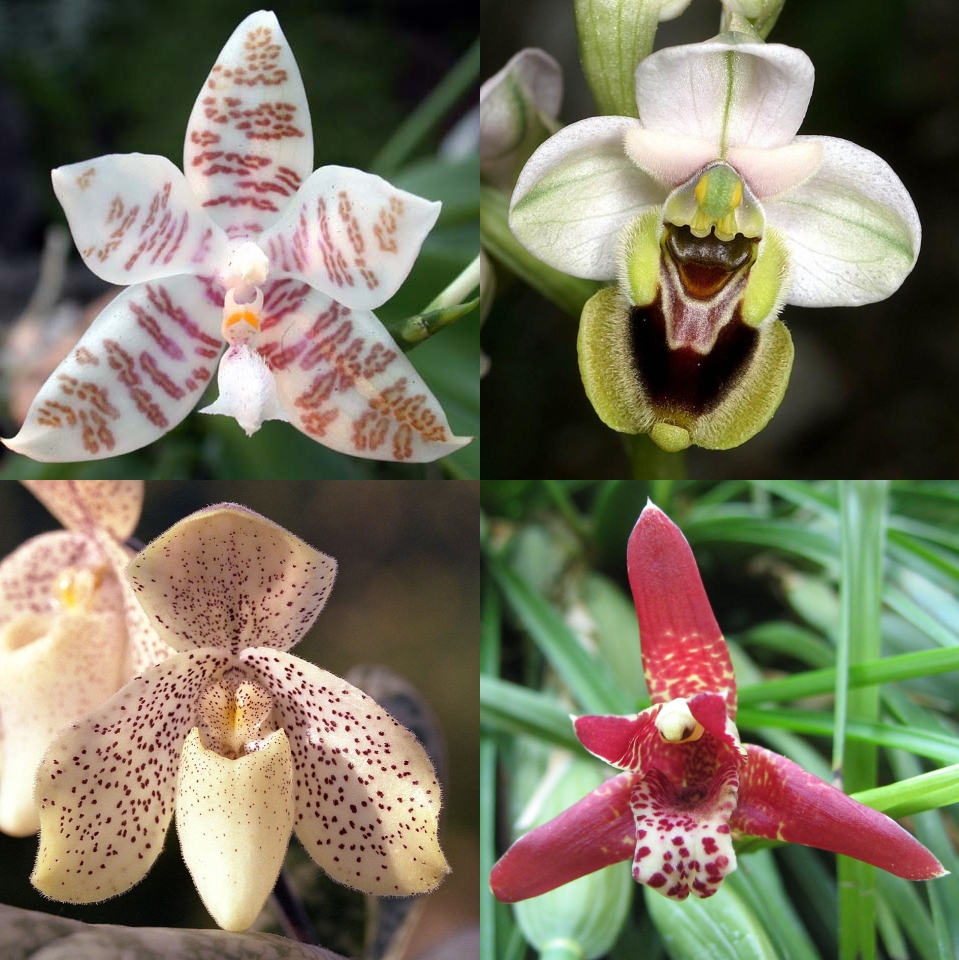 OrchidOrchidaceae
A vast family of colourful, often fragrant flowers found almost everywhere on earth
Orchidaceae · Wildflower
OrchidOrchidaceae
A vast family of colourful, often fragrant flowers found almost everywhere on earth
Orchidaceae · Wildflower
 Vanilla
Climbing orchids with pods used for the world’s most popular flavor
🇲🇽 Mexico and 7 more · Wildflower
Vanilla
Climbing orchids with pods used for the world’s most popular flavor
🇲🇽 Mexico and 7 more · Wildflower
 Orchis
A group of wild orchids with tuberous roots from Europe, North Africa and Asia
🇹🇷 Turkey and 7 more · Wildflower
Orchis
A group of wild orchids with tuberous roots from Europe, North Africa and Asia
🇹🇷 Turkey and 7 more · Wildflower
 Pansy orchidMiltoniopsis
An orchid with flowers that resemble garden pansies
🇨🇷 Costa Rica and 5 more · Orchid
Pansy orchidMiltoniopsis
An orchid with flowers that resemble garden pansies
🇨🇷 Costa Rica and 5 more · Orchid
More from Canada
All the flowers of Canada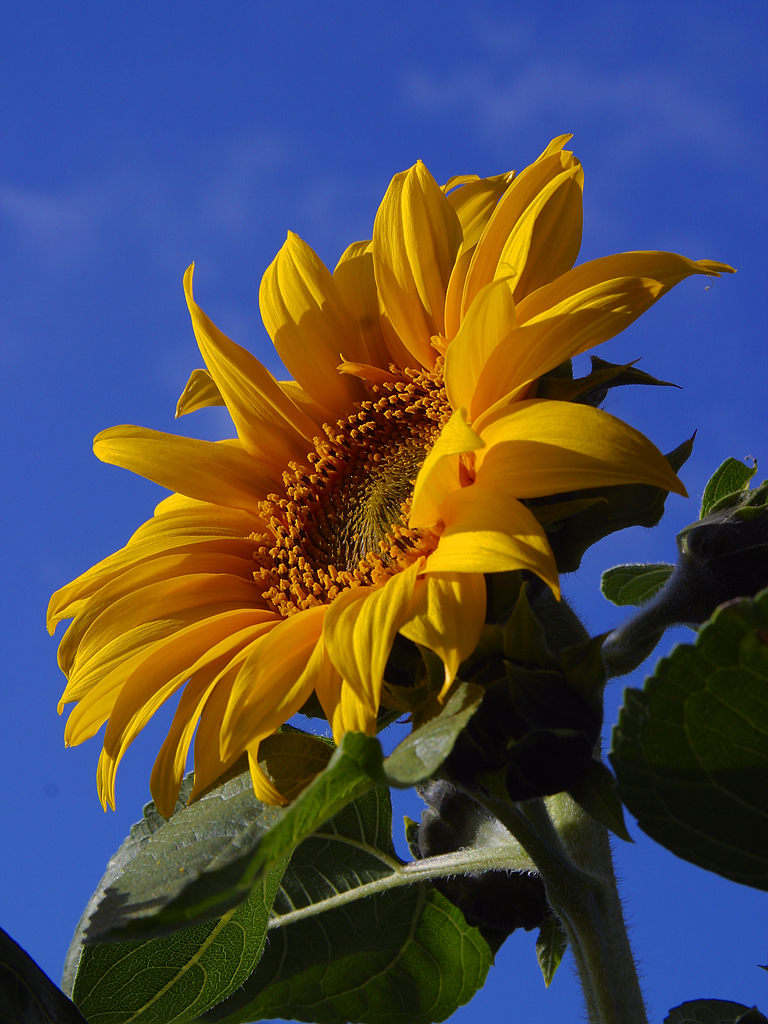 Common sunflowerHelianthus annuus
A tall annual plant grown for its large yellow flower heads and edible seeds
🇨🇦 Canada and 4 more · Wildflower
Common sunflowerHelianthus annuus
A tall annual plant grown for its large yellow flower heads and edible seeds
🇨🇦 Canada and 4 more · Wildflower
 BirchBetula
Slender trees with papery bark found across the northern world
🇨🇳 China and 7 more · Wildflower
BirchBetula
Slender trees with papery bark found across the northern world
🇨🇳 China and 7 more · Wildflower
 CactusCactaceae
Succulent plants with spines, native to the Americas
🇲🇽 Mexico and 7 more · Wildflower
CactusCactaceae
Succulent plants with spines, native to the Americas
🇲🇽 Mexico and 7 more · Wildflower
 TulipTulipa
Spring-blooming bulbs with showy, cup-shaped flowers in many colours
🇳🇱 Netherlands and 7 more · Wildflower
TulipTulipa
Spring-blooming bulbs with showy, cup-shaped flowers in many colours
🇳🇱 Netherlands and 7 more · Wildflower