
Unscented dendrobium
Dendrobium anosmum, family Orchidaceae
In its own language: sanggumay
A Southeast Asian orchid with large purple, raspberry-scented flowers
Dendrobium anosmum, or unscented dendrobium, is an epiphytic orchid found from Sri Lanka to New Guinea, especially common in the Philippines. Despite its name, its large purple flowers usually have a strong raspberry-like scent. It is widely grown in the Philippines and known for its long, pendulous canes.
- Large purple flowers with a raspberry-like scent
- Native from Sri Lanka to New Guinea, common in the Philippines
- Known as sanggumay in Tagalog and hono-hono in Hawaii
- Long, pendulous canes that lose leaves before flowering
What does Unscented dendrobium look like?
Dendrobium anosmum is an orchid that grows on trees (epiphytic) and is known for its long, hanging stems, called canes, which can become leafless before blooming. Its flowers are large, showy, and purple, often with a strong scent resembling raspberries. The plant’s canes are pendulous, giving it a distinctive draping look when in flower. In the Philippines, the plant is sometimes called latigo, meaning horsewhip, due to these long, flexible stems.
Where does Unscented dendrobium come from?
This orchid species is native to a broad region across Southeast Asia, stretching from Sri Lanka to New Guinea. It was first described by John Lindley from Philippine specimens. Initially, Lindley named scented plants Dendrobium macrophyllum in 1839, but later found unscented ones and named them Dendrobium anosmum in 1845. Later study showed both were the same species, but the name D. anosmum is used because D. macrophyllum was already assigned to another orchid.
When and how Unscented dendrobium blooms
Dendrobium anosmum grows as an epiphyte, attaching itself to tree branches in humid, tropical climates. It produces long, pendulous canes that lose their leaves before flowering. The flowers emerge along these bare canes, usually in clusters. It is commonly cultivated in gardens and homes, especially in the Philippines, where it is one of the most popular orchids.
How Unscented dendrobium is used
People mainly grow Dendrobium anosmum for its attractive and fragrant flowers. In the Philippines, it is a common garden orchid, appreciated for its showy blooms and strong scent. The plant is not noted for ceremonial or medicinal uses in the sources, but it is valued for home decoration and as a collector’s orchid.
Kinds of Unscented dendrobium
The species has been known by several names, including Dendrobium macrophyllum and Dendrobium superbum, but these refer to the same plant. Local names vary: sanggumay in Tagalog, hono-hono in Hawaii, and purple rain in English. The main variation is in the strength of the flower’s scent, which can range from strong to nearly absent.
What Unscented dendrobium means
In the Philippines, Dendrobium anosmum is one of the most widely grown orchids and is well known for its overpowering fragrance, reflected in the name sanggumay. The plant’s long canes and strong scent have made it a familiar presence in local gardens. Its naming history also reflects the complexity of orchid classification in botany.
Questions people ask about Unscented dendrobium
Where does Dendrobium anosmum come from?
Dendrobium anosmum is native to Southeast Asia, with its range stretching from Sri Lanka to New Guinea. It is especially common and widely grown in the Philippines.
What does the unscented dendrobium look like?
It has long, hanging stems called canes, which can become leafless before flowering. The flowers are large, purple, and usually have a strong raspberry-like scent.
Why is it called 'unscented' if it has a strong smell?
The name comes from early specimens thought to lack scent, but most plants actually have a strong fragrance. The name stuck due to botanical naming rules.
How is Dendrobium anosmum used?
It is mainly grown for its showy, fragrant flowers and is a popular garden and home orchid, especially in the Philippines.
What does 'sanggumay' mean?
Sanggumay is a Tagalog word combining 'masangsang' (overpowering scent) and 'nakakaumay' (tiresome), referring to the orchid’s strong fragrance.
Good reading and sources
- Dendrobium anosmumRoyal Horticultural Society, Article
- Plants of the World OnlineRoyal Botanic Gardens, Kew, Plant database
- Where it has been recordedGBIF, Plant database
- Sightings and photos by naturalistsiNaturalist, Plant database
- Dendrobium anosmum on WikipediaEncyclopedia
- More photos on Wikimedia CommonsPhotos
- Wikidata recordOpen data
The facts on this page come from the Wikipedia article "Dendrobium anosmum", written by its contributors and used under the CC BY-SA 4.0 licence, and from its Wikidata record (CC0). Phool rewrote the text in its own words, with AI assistance, and compares every page with the article to make sure no passage is copied. It may be reused under the same CC BY-SA 4.0 licence with a link back.
It may contain mistakes. It is not medical or foraging advice: many flowers are poisonous, and traditional uses are reported, not recommended. If something is wrong, tell us. Last refreshed 2026-10-03.
Others in the family Orchidaceae
The whole family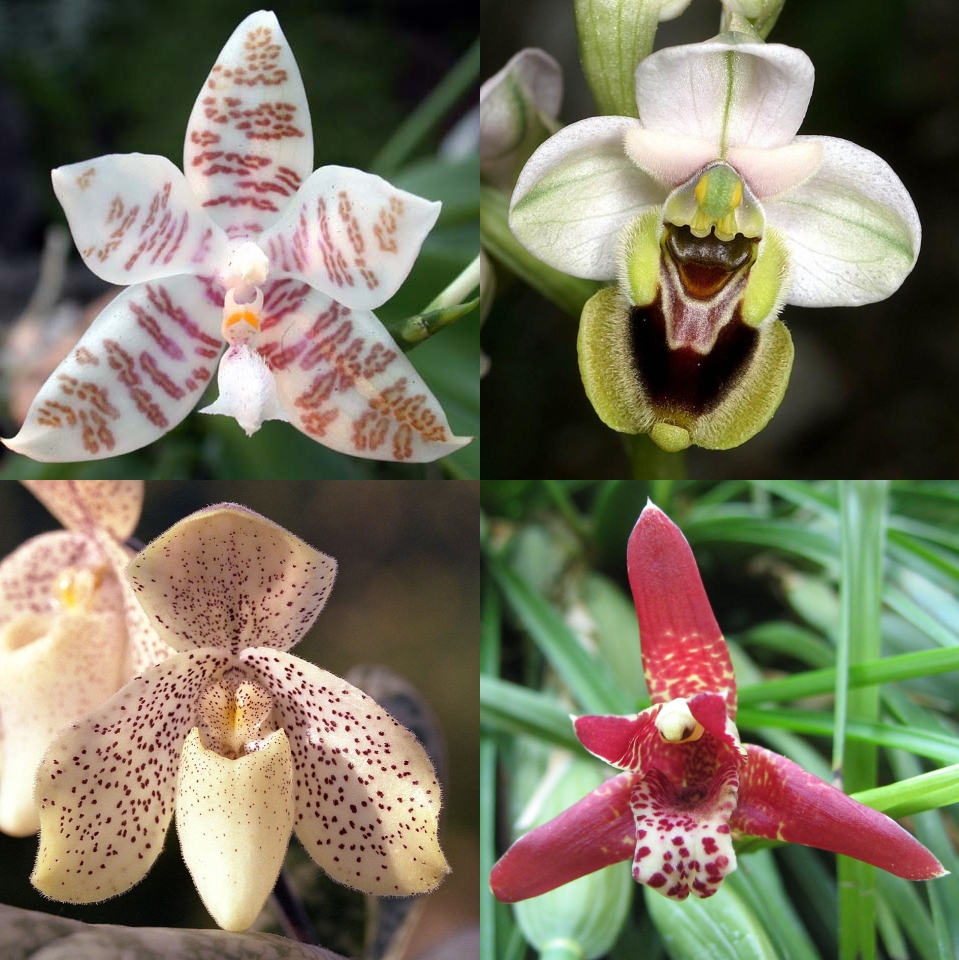 OrchidOrchidaceae
A vast family of colourful, often fragrant flowers found almost everywhere on earth
Orchidaceae · Wildflower
OrchidOrchidaceae
A vast family of colourful, often fragrant flowers found almost everywhere on earth
Orchidaceae · Wildflower
 Vanilla
Climbing orchids with pods used for the world’s most popular flavor
🇲🇽 Mexico and 7 more · Wildflower
Vanilla
Climbing orchids with pods used for the world’s most popular flavor
🇲🇽 Mexico and 7 more · Wildflower
 Orchis
A group of wild orchids with tuberous roots from Europe, North Africa and Asia
🇹🇷 Turkey and 7 more · Wildflower
Orchis
A group of wild orchids with tuberous roots from Europe, North Africa and Asia
🇹🇷 Turkey and 7 more · Wildflower
 Waling-walingVanda sanderiana
A rare orchid known as the 'Queen of Philippine flowers'
🇵🇭 Philippines · Orchid
Waling-walingVanda sanderiana
A rare orchid known as the 'Queen of Philippine flowers'
🇵🇭 Philippines · Orchid
More from the Philippines
All the flowers of the Philippines JasmineJasminum
A group of fragrant shrubs and vines with white or yellow star-shaped flowers
🇵🇰 Pakistan and 7 more · Wildflower
JasmineJasminum
A group of fragrant shrubs and vines with white or yellow star-shaped flowers
🇵🇰 Pakistan and 7 more · Wildflower
 WaterlilyNymphaea
Floating aquatic flowers found in ponds and lakes worldwide
🇪🇬 Egypt and 7 more · Water flower
WaterlilyNymphaea
Floating aquatic flowers found in ponds and lakes worldwide
🇪🇬 Egypt and 7 more · Water flower
 Plumeria
Fragrant tropical tree with waxy, five-petaled flowers in many colours
🇲🇽 Mexico and 6 more · Flowering tree
Plumeria
Fragrant tropical tree with waxy, five-petaled flowers in many colours
🇲🇽 Mexico and 6 more · Flowering tree
 AchioteBixa orellana
Shrub with spiky red pods, source of the natural dye annatto
🇧🇷 Brazil and 9 more · Flowering shrub
AchioteBixa orellana
Shrub with spiky red pods, source of the natural dye annatto
🇧🇷 Brazil and 9 more · Flowering shrub