
Gerbera
Bright daisy-like blooms from South Africa, popular in gardens and bouquets
Gerbera is a genus of perennial herbs with large, colourful daisy-like flower heads. Native to tropical Africa, especially South Africa, it is widely grown as a garden plant and cut flower, with cultivars showing white, yellow, orange, pink or red petals.
- Named after German botanist Traugott Gerber
- Native to tropical Africa, especially South Africa
- Flower heads range from 7 to 12 cm wide
- Fifth most used cut flower globally
- Attracts pollinators but resists deer
What does Gerbera look like?
Gerbera plants form leafy rosettes close to the ground, with upright stems bearing single flower heads. Each bloom has a central disc surrounded by wide, strap-shaped ray petals that may be white, pink, red, orange or yellow. Some flowers show more than one colour, and the centre can appear black. The leaves are often leathery and felted underneath.
Where does Gerbera come from?
The genus Gerbera was named after Traugott Gerber, an 18th-century German botanist who explored Russia and knew Carl Linnaeus. Though native to tropical Africa, the best-known species, Gerbera jamesonii, comes from South Africa. Modern garden types mostly descend from crosses between this species and Gerbera viridifolia.
When and how Gerbera blooms
Gerberas grow as tufted perennials, sending up flowering stems from a woolly crown. They produce one bloom per stem, with flower heads ranging from 7 to 12 centimetres across. Cultivated varieties, called Gerbera × hybrida, are bred for vivid colours, large size, and long stems suitable for cutting.


How Gerbera is used
These flowers are common in gardens and as cut blooms in arrangements. They attract bees, butterflies and birds but are not eaten by deer. Small-flowered types are sometimes called gerbrinis. Gerberas also serve as model plants in studies of how flowers develop.
Kinds of Gerbera
The genus includes about 22 accepted species, grouped into sections such as Gerbera, Lasiopus, Pseudoseris and Parva. Notable kinds include Gerbera jamesonii (Barberton daisy), Gerbera viridifolia (pink gerbera), and Gerbera aurantiaca (Hilton daisy). Many former Gerbera species have been moved to other genera.
What Gerbera means
Gerbera is among the top five cut flowers sold worldwide. It holds no specific religious role but is valued for its cheerful appearance in homes and gifts. The Gerbera Association, based in Barberton, South Africa, supports research and promotion of the flower.
Where Gerbera is used and seen


Traditions that use it
Where to see Gerbera
 🇨🇳 Kunming · All yearDounan flower marketChina's largest cut-flower market, where much of the trade happens in the evening.
 🇻🇳 Da Lat · Jan to DecDa Lat, city of flowersA cool highland town that grows much of Vietnam's cut flowers and holds a flower festival.
 🇻🇳 Ho Chi Minh City · All yearHo Thi Ky flower marketHo Chi Minh City's largest flower market, a tangle of lanes in District 10 that trades through the night.
 🇧🇩 Jashore · Jan to DecGodkhali flower marketA dawn roadside market in the heart of Bangladesh's main flower-growing area.
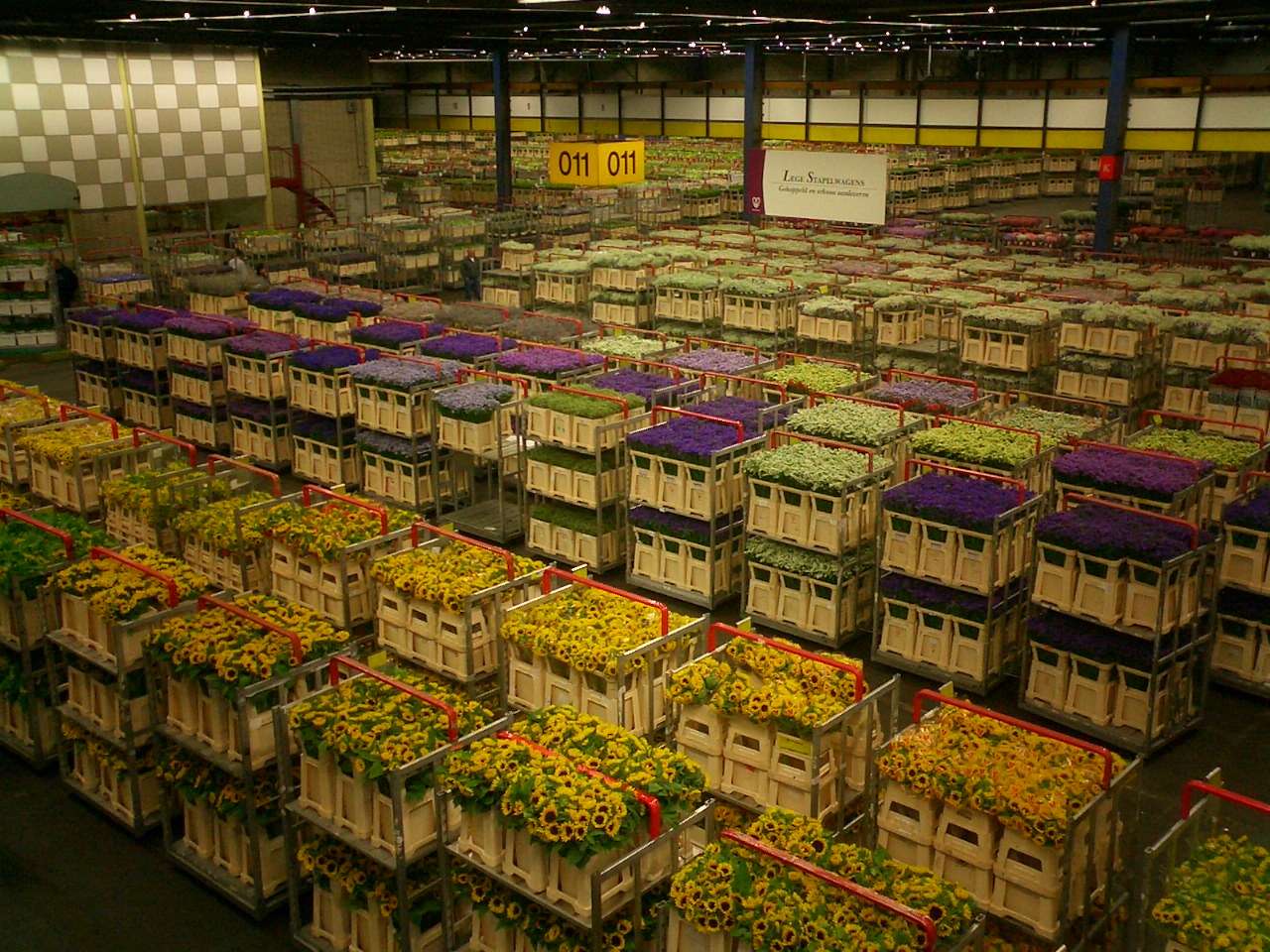 🇳🇱 Aalsmeer · All yearWatching the Aalsmeer flower auction at dawnThe world's largest flower auction, seen from a gallery above a hall of moving carts near Schiphol airport.
Questions people ask about Gerbera
Where does the gerbera come from?
Gerbera is native to tropical regions of Africa, with key species like Gerbera jamesonii originating in South Africa.
What do gerbera flowers look like?
They have daisy-like blooms with a central disc and wide ray petals in white, yellow, orange, pink or red, sometimes multi-coloured.
How are gerberas used?
They are grown in gardens and widely used as cut flowers in bouquets and home decoration around the world.
Are there different types of gerbera?
Yes, about 22 species exist, and thousands of cultivated hybrids known as Gerbera × hybrida, bred for colour and size.
Why is it called gerbera?
The genus was named in honour of Traugott Gerber, a German botanist and physician who travelled in Russia in the 1700s.
Good reading and sources
- USDA Plants DatabaseUS Department of Agriculture, Article
- Plants of the World OnlineRoyal Botanic Gardens, Kew, Plant database
- Where it has been recordedGBIF, Plant database
- Sightings and photos by naturalistsiNaturalist, Plant database
The facts on this page come from the Wikipedia article "Gerbera", written by its contributors and used under the CC BY-SA 4.0 licence, and from its Wikidata record (CC0). Phool rewrote the text in its own words, with AI assistance, and compares every page with the article to make sure no passage is copied. It may be reused under the same CC BY-SA 4.0 licence with a link back.
It may contain mistakes. It is not medical or foraging advice: many flowers are poisonous, and traditional uses are reported, not recommended. If something is wrong, tell us. Last refreshed 2026-10-03.
Others in the family Asteraceae
The whole family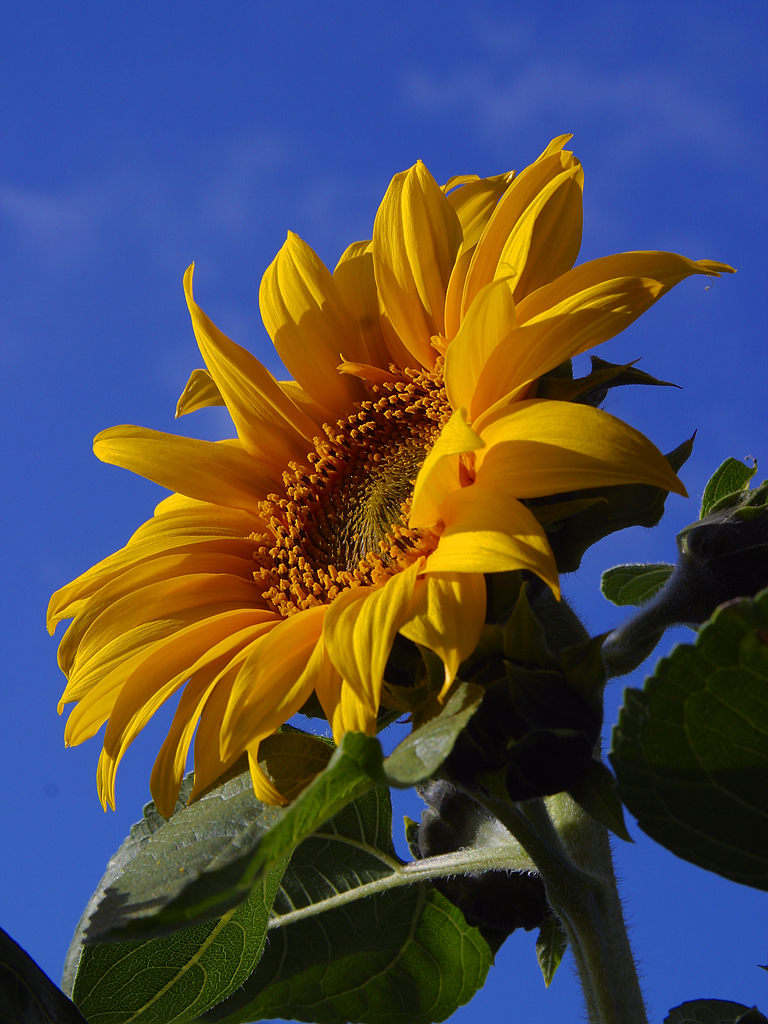 Common sunflowerHelianthus annuus
A tall annual plant grown for its large yellow flower heads and edible seeds
🇨🇦 Canada and 4 more · Wildflower
Common sunflowerHelianthus annuus
A tall annual plant grown for its large yellow flower heads and edible seeds
🇨🇦 Canada and 4 more · Wildflower
 Chrysanthemum菊花
Autumn-blooming flower with thousands of varieties, cherished in East Asia and beyond
🇨🇳 China and 6 more · Wildflower
Chrysanthemum菊花
Autumn-blooming flower with thousands of varieties, cherished in East Asia and beyond
🇨🇳 China and 6 more · Wildflower
 Asteraceae
The vast family of daisies, asters, and sunflowers with star-like flower heads
Asteraceae · Wildflower
Asteraceae
The vast family of daisies, asters, and sunflowers with star-like flower heads
Asteraceae · Wildflower
 DandelionTaraxacum
A yellow-flowered perennial found in fields, lawns, and gardens worldwide
Taraxacum · Wildflower
DandelionTaraxacum
A yellow-flowered perennial found in fields, lawns, and gardens worldwide
Taraxacum · Wildflower
More from South Africa
All the flowers of South Africa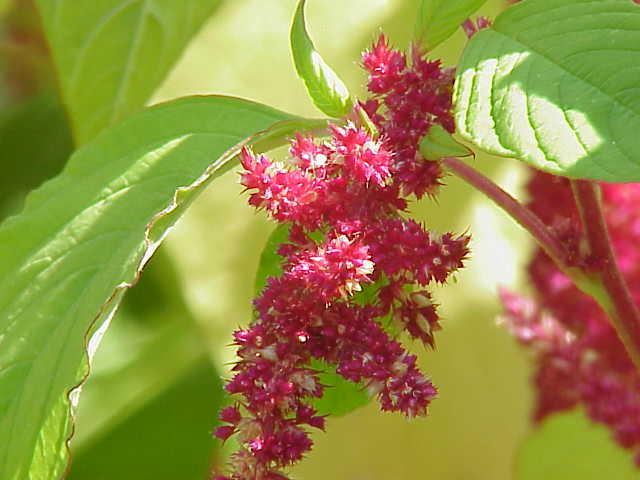 AmaranthAmaranthus
A tall, colourful plant grown for its flowers, leaves and edible seeds
🇲🇽 Mexico and 7 more · Wildflower
AmaranthAmaranthus
A tall, colourful plant grown for its flowers, leaves and edible seeds
🇲🇽 Mexico and 7 more · Wildflower
 Acacia
Shrubs and trees with golden or cream puffball flowers, native mostly to Australia
🇦🇺 Australia and 6 more · Wildflower
Acacia
Shrubs and trees with golden or cream puffball flowers, native mostly to Australia
🇦🇺 Australia and 6 more · Wildflower
 Sensitive PlantMimosa pudica
A touch-sensitive plant whose leaves fold up when disturbed
🇧🇷 Brazil and 8 more · Wildflower
Sensitive PlantMimosa pudica
A touch-sensitive plant whose leaves fold up when disturbed
🇧🇷 Brazil and 8 more · Wildflower
 Thorn-appleDatura stramonium
A poisonous, night-blooming plant with trumpet-shaped white or violet flowers
🇨🇳 China and 7 more · Wildflower
Thorn-appleDatura stramonium
A poisonous, night-blooming plant with trumpet-shaped white or violet flowers
🇨🇳 China and 7 more · Wildflower