
Leek
Allium ampeloprasum, family Amaryllidaceae
A mild-flavoured onion relative and Welsh emblem with edible leaf sheaths
The leek is a biennial vegetable grown for its bundle of white and green leaf sheaths, milder than onion. Native to the Mediterranean and Middle East, it is used in soups, salads, and traditional dishes in many countries, and is a national symbol of Wales.
- Leeks are a national symbol of Wales and worn on St. David's Day.
- They have been grown since ancient Egypt and Mesopotamia.
- Leeks are milder than onions and used in soups, salads, and traditional dishes.
- Overwintering leeks are larger and stronger in flavor than summer types.
- Leeks are featured in Jewish holiday dishes and French cuisine.
What does Leek look like?
Leeks are upright plants with long bundles of leaf sheaths forming a thick, white base that transitions to pale and dark green leaves. The edible part is mainly the white and light green sheath, which is mild in taste and less pungent than onion. The leaves are flat and layered, and the plant can reach up to 60 cm tall. The dark green tops are tougher and often used for stock rather than eaten directly.
Where does Leek come from?
Leeks are cultivars of Allium ampeloprasum, native to the Mediterranean and Middle East. They have been grown since ancient times, with evidence of their use in Egypt and Mesopotamia from at least the second millennium BCE. The name 'leek' comes from Old English and has related words in many Germanic languages. Over time, leeks spread across Europe and became a staple in many cuisines.
When and how Leek blooms
Leeks are usually started in seed beds and transplanted when they are about as thick as a pencil. They grow best in loose, well-drained soil and prefer cool temperatures around 20°C. Leeks tolerate cold better than many other alliums and can be harvested over a long period, often lasting up to six months from planting. Both summer and overwintering types are grown.


How Leek is used
Leeks are eaten raw in salads, boiled, fried, or used in soups and stews. In France, boiled leeks are served cold with vinaigrette. Turkish cuisine uses leeks in stuffed dishes and various cooked preparations. In Wales, leeks are a key ingredient in traditional dishes and are worn as a symbol on St. David's Day. Leek patties are common in Sephardic Jewish cooking for holidays.
Kinds of Leek
There are many leek cultivars, grouped mainly as summer or overwintering types. Summer leeks are smaller and milder, while overwintering leeks are larger and stronger in flavor. Named varieties include 'King Richard' and 'Tadorna Blue'. Related vegetables like elephant garlic and kurrat are also cultivars of Allium ampeloprasum but are used differently.
What Leek means
The leek is a national emblem of Wales, worn on St. David's Day and featured in Welsh military and coinage. It appears in Shakespeare's 'Henry V' as a symbol of Welsh identity. In Romania, it represents the region of Oltenia. Leeks are also part of Jewish holiday meals and have a long history in ancient Egypt and Rome, where they were highly valued.
Where Leek is used and seen


Days and festivals
Questions people ask about Leek
Where do leeks come from?
Leeks are native to the Mediterranean and Middle East, with a history of cultivation in ancient Egypt and Mesopotamia. They spread to Europe and became widely grown in many regions.
What do leeks symbolize?
Leeks are a national emblem of Wales and are worn on St. David's Day. They also symbolize the region of Oltenia in Romania and are associated with Welsh identity in literature and tradition.
How are leeks used in cooking?
Leeks are eaten raw in salads, boiled, fried, or used in soups and stews. They are popular in French, Turkish, Welsh, and Jewish cuisines, and the white and light green parts are most often used.
What part of the leek is edible?
The white base and light green leaf sheaths are the main edible parts. The dark green tops are tougher but can be used for making stock.
Are there different types of leeks?
Yes, there are summer and overwintering types. Summer leeks are smaller and milder, while overwintering leeks are larger and have a stronger flavor.
Good reading and sources
The facts on this page come from the Wikipedia article "Leek", written by its contributors and used under the CC BY-SA 4.0 licence, and from its Wikidata record (CC0). Phool rewrote the text in its own words, with AI assistance, and compares every page with the article to make sure no passage is copied. It may be reused under the same CC BY-SA 4.0 licence with a link back.
It may contain mistakes. It is not medical or foraging advice: many flowers are poisonous, and traditional uses are reported, not recommended. If something is wrong, tell us. Last refreshed 2026-10-03.
Others in the family Amaryllidaceae
The whole family Narcissus
Spring-flowering bulbs with trumpet-shaped blooms in white, yellow, and orange
🇬🇧 United Kingdom and 7 more · Wildflower
Narcissus
Spring-flowering bulbs with trumpet-shaped blooms in white, yellow, and orange
🇬🇧 United Kingdom and 7 more · Wildflower
 Allium
The genus of onions, garlic, leeks, chives and their wild relatives
Allium · Wildflower
Allium
The genus of onions, garlic, leeks, chives and their wild relatives
Allium · Wildflower
 Wild GarlicAllium ursinum
A wild woodland plant with star-shaped white flowers and edible leaves
🇮🇪 Ireland · Wildflower
Wild GarlicAllium ursinum
A wild woodland plant with star-shaped white flowers and edible leaves
🇮🇪 Ireland · Wildflower
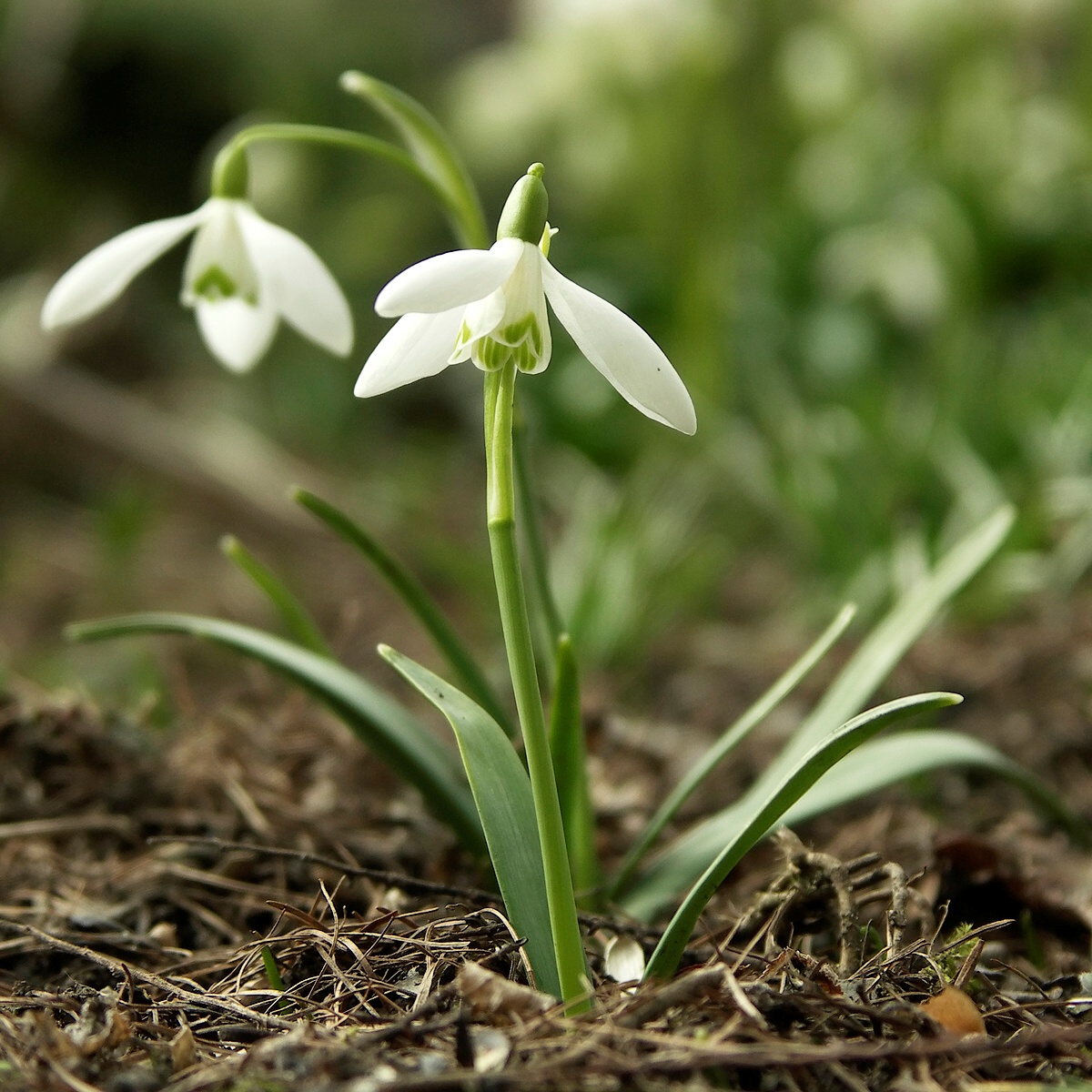 SnowdropGalanthus
White bell-shaped flowers that bloom at the end of winter
🇹🇷 Turkey and 7 more · Wildflower
SnowdropGalanthus
White bell-shaped flowers that bloom at the end of winter
🇹🇷 Turkey and 7 more · Wildflower
More from Egypt
All the flowers of Egypt PomegranatePunica granatum
A shrub with bright red flowers and a fruit full of edible seeds
🇮🇷 Iran and 9 more · Flowering shrub
PomegranatePunica granatum
A shrub with bright red flowers and a fruit full of edible seeds
🇮🇷 Iran and 9 more · Flowering shrub
 AlmondPrunus amygdalus
A Mediterranean tree grown for its fragrant spring flowers and edible seeds
🇮🇷 Iran and 6 more · Flowering tree
AlmondPrunus amygdalus
A Mediterranean tree grown for its fragrant spring flowers and edible seeds
🇮🇷 Iran and 6 more · Flowering tree
 JasmineJasminum
A group of fragrant shrubs and vines with white or yellow star-shaped flowers
🇵🇰 Pakistan and 7 more · Wildflower
JasmineJasminum
A group of fragrant shrubs and vines with white or yellow star-shaped flowers
🇵🇰 Pakistan and 7 more · Wildflower
 RosemarySalvia rosmarinus
A fragrant evergreen shrub with needle-like leaves and purple, blue, or white flowers
🇪🇸 Spain and 5 more · Flowering shrub
RosemarySalvia rosmarinus
A fragrant evergreen shrub with needle-like leaves and purple, blue, or white flowers
🇪🇸 Spain and 5 more · Flowering shrub