
Arctic–Alpine Botanic Garden
In its own language: Arktisk alpin Botanisk hage
A botanic garden in Tromsø for Arctic and mountain plants from around the world
This garden in Tromsø, Norway, is the northernmost botanic garden on Earth. It opened in 1994 and shows Arctic and alpine plants from many northern regions. Visitors can see rare and hardy flowers, with mountain views nearby. The garden is open at all hours, every day of the year.
- Located in Tromsø, Norway, above the Arctic Circle
- Displays plants from Arctic and alpine regions worldwide
- Open to visitors at any time, all year round
- Features rhododendrons, blue poppies, and hardy roses
- Known as the world's northernmost botanic garden
What is Arctic–Alpine Botanic Garden?
The Arctic–Alpine Botanic Garden is a collection of outdoor beds and paths where visitors can explore plants that thrive in cold, northern climates. It covers a range of species from Arctic and mountain regions. The setting offers open views of the nearby mountains. The garden features plants such as rhododendrons, blue poppies (Meconopsis), asters, and saxifrages, as well as roses and other hardy flowers. There are no fences or gates, so people can wander in at any time.
The history of Arctic–Alpine Botanic Garden
Founded in 1994, the garden was created by the Tromsø University Museum to showcase plants adapted to Arctic and alpine conditions. Its location in Tromsø, Norway, allows it to display species from across the northern hemisphere. The garden was established to take advantage of the region’s mild winters and cool summers, made possible by the Gulf Stream’s warming effect. Over time, it has become a place for both research and public enjoyment.
What there is to see
The garden is planted with a wide variety of cold-hardy species, arranged in beds according to their native habitats. Planting is done in spring after the snow melts, and the main growing season lasts from late May to mid-October. The garden uses the long daylight of the midnight sun to help plants grow during the short summer. Paths wind through collections of rhododendrons, blue poppies, roses, and other mountain flowers.
When to go
People visit the garden to see rare and unusual plants that grow in Arctic and alpine regions. It is a place for learning about how plants survive in cold climates, and for enjoying the outdoors during the long days of summer. The garden is open to all, at any hour, and is used for research, teaching, and recreation.
Parts and collections
The garden’s collections include a range of plant groups, such as rhododendrons like R. lapponicum, blue poppies (Meconopsis), asters, and saxifrages. There are also displays of roses bred for cold climates, as well as other genera like Polemonium, Erigeron, Codonopsis, Allium, Silene, Tellima, and Heuchera. These collections highlight the diversity of plants that can survive in northern and mountain environments.
Why Arctic–Alpine Botanic Garden matters
The Arctic–Alpine Botanic Garden is known for being the world’s northernmost botanic garden. It has been featured in television programs, such as Monty Don’s 'Around the World in 80 Gardens', which brought attention to its unique setting and plant collections. The garden is a point of pride for Tromsø and attracts visitors interested in Arctic nature and botany.
The flowers of Arctic–Alpine Botanic Garden
 RoseWoody perennial plants with showy, often fragrant flowers in many colours
 AlliumThe genus of onions, garlic, leeks, chives and their wild relatives
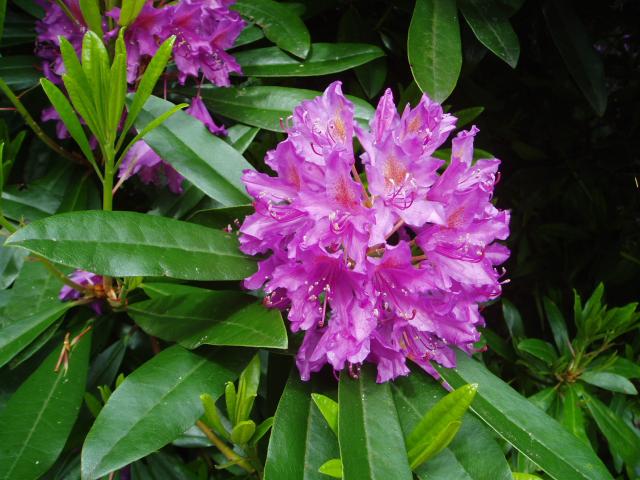 RhododendronA vast group of shrubs and trees with showy blooms in many colours
 Wild GarlicA wild woodland plant with star-shaped white flowers and edible leaves
 AsterStar-shaped perennial flowers from Eurasia, popular in gardens for late blooms
 Catawba rosebayA spring-flowering rhododendron native to the southern Appalachian Mountains
 Meconopsis grandisA blue-flowered poppy from the Himalayas grown for its striking blooms
 Common rhododendronA dense evergreen shrub with violet-purple flowers from Europe and the Caucasus
Questions people ask about Arctic–Alpine Botanic Garden
Where is the Arctic–Alpine Botanic Garden?
It is in Tromsø, Norway, a city north of the Arctic Circle. The garden sits near the university and offers views of the surrounding mountains.
What can I see in the garden?
You will find a wide range of Arctic and mountain plants, including rhododendrons, blue poppies, asters, saxifrages, and roses that can survive cold climates.
When is the best time to visit?
The main season runs from late May to mid-October, when most plants are growing and flowering. The garden is open all year, but snow covers the ground in winter.
Why is this garden special?
It is the world's northernmost botanic garden, showing how plants adapt to Arctic and alpine conditions. Its unique collections and open access make it notable.
Has the garden appeared in popular media?
Yes, it was featured in the BBC series 'Around the World in 80 Gardens,' where Monty Don visited and spoke with the garden's staff.
Good reading and sources
- Arctic–Alpine Botanic Garden on WikipediaEncyclopedia
- More photos on Wikimedia CommonsPhotos
- Wikidata recordOpen data
The facts on this page come from the Wikipedia article "Arctic–Alpine Botanic Garden", written by its contributors and used under the CC BY-SA 4.0 licence, and from its Wikidata record (CC0). Phool rewrote the text in its own words, with AI assistance, and compares every page with the article to make sure no passage is copied. It may be reused under the same CC BY-SA 4.0 licence with a link back.
It may contain mistakes. Opening times, prices and bloom dates change: check with the place before you travel. If something is wrong, tell us. Last refreshed 2026-10-03.
More of the same kind
 Place
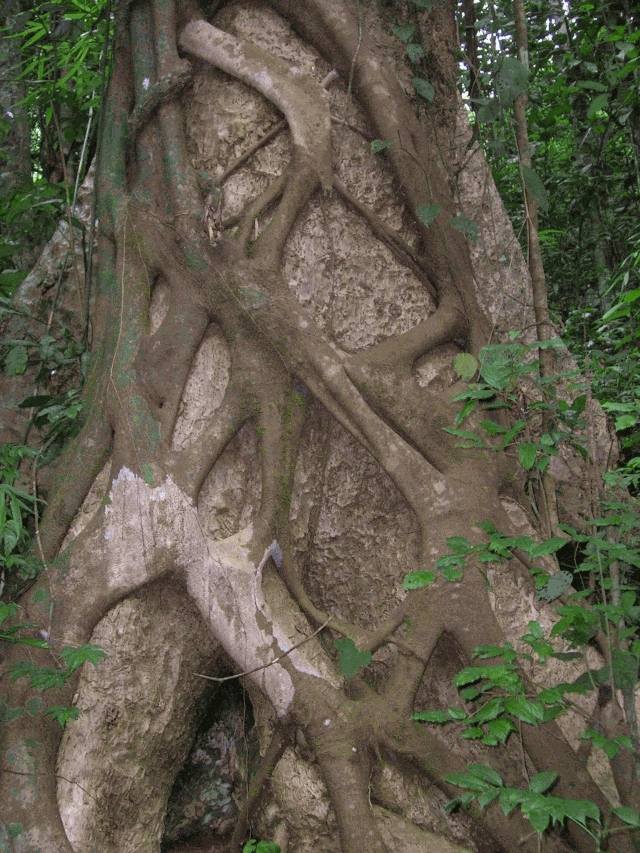
Tropical Botanical Garden and Research Institute
A major botanical garden and research centre in Thiruvananthapuram, Kerala
Thiruvananthapuram, 🇮🇳 India · Botanical garden
Place
Tropical Botanical Garden and Research Institute
A major botanical garden and research centre in Thiruvananthapuram, Kerala
Thiruvananthapuram, 🇮🇳 India · Botanical garden
 Place
Baldha Gardenবলধা গার্ডেন
A historic botanical garden in Old Dhaka with hundreds of plant species
Dhaka, 🇧🇩 Bangladesh · Botanical garden
Place
Baldha Gardenবলধা গার্ডেন
A historic botanical garden in Old Dhaka with hundreds of plant species
Dhaka, 🇧🇩 Bangladesh · Botanical garden
 Place
Hakone Botanical Garden of Wetlands箱根湿生花園
A garden of wetland and alpine plants in Hakone, Japan
Hakone, 🇯🇵 Japan · Botanical garden
Place
Hakone Botanical Garden of Wetlands箱根湿生花園
A garden of wetland and alpine plants in Hakone, Japan
Hakone, 🇯🇵 Japan · Botanical garden
 Place
Sim's Park, Coonoor
A century-old botanical garden in the Nilgiri hills of Tamil Nadu
Coonoor, 🇮🇳 India · Botanical garden, May
Place
Sim's Park, Coonoor
A century-old botanical garden in the Nilgiri hills of Tamil Nadu
Coonoor, 🇮🇳 India · Botanical garden, May
More from Norway
All the flowers of Norway Place
Oslo Botanical GardenBotanisk hage
Norway’s oldest botanical garden, home to 7,500 plant species in Oslo
Oslo, 🇳🇴 Norway · Botanical garden
Place
Oslo Botanical GardenBotanisk hage
Norway’s oldest botanical garden, home to 7,500 plant species in Oslo
Oslo, 🇳🇴 Norway · Botanical garden
 Place
Flor og Fjære
Tropical-inspired gardens and restaurant on Sør-Hidle island, Norway
Stavanger, 🇳🇴 Norway · Flower garden, May to Sep
Place
Flor og Fjære
Tropical-inspired gardens and restaurant on Sør-Hidle island, Norway
Stavanger, 🇳🇴 Norway · Flower garden, May to Sep
 Place
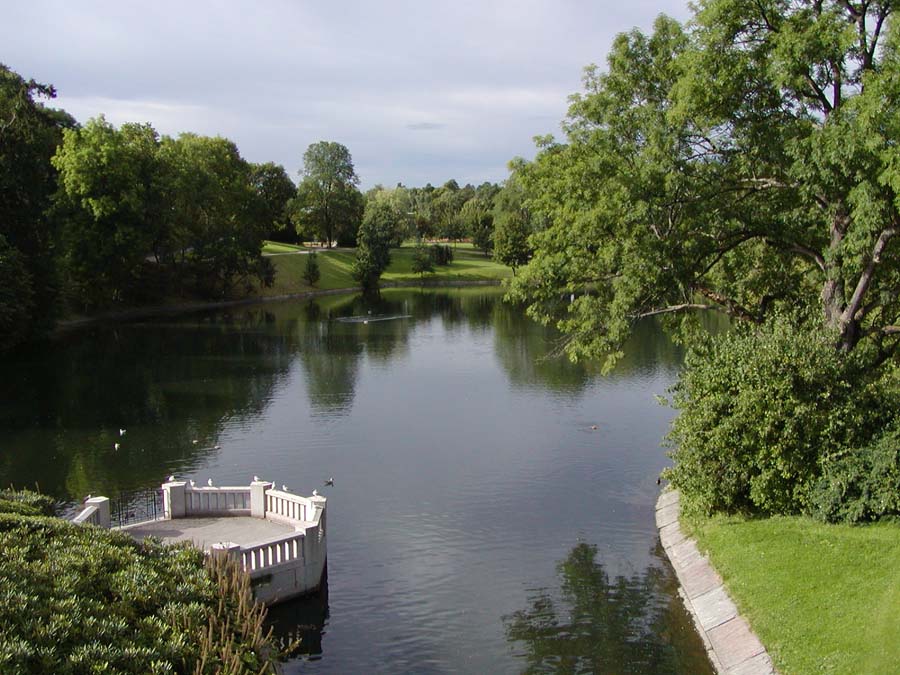
Frogner ParkFrognerparken
Oslo’s largest public park, home to 14,000 roses and Vigeland’s sculpture installation
Oslo, 🇳🇴 Norway · Flower garden
Place
Frogner ParkFrognerparken
Oslo’s largest public park, home to 14,000 roses and Vigeland’s sculpture installation
Oslo, 🇳🇴 Norway · Flower garden
 Wild cherryPrunus avium
A tall flowering tree native to Europe, grown for its sweet fruit and spring blossom
🇮🇹 Italy and 6 more · Flowering tree
Wild cherryPrunus avium
A tall flowering tree native to Europe, grown for its sweet fruit and spring blossom
🇮🇹 Italy and 6 more · Flowering tree