
Lythraceae
A global plant family with pomegranate, henna and crape myrtle
Lythraceae is a flowering plant family with around 620 species across 28 genera, including herbs, shrubs and trees. It grows worldwide, mostly in tropical areas, and provides edible fruits like pomegranate, dyes like henna, and ornamentals such as crape myrtle and purple loosestrife.
- Includes pomegranate and water caltrop as edible crops
- Henna dye comes from Lawsonia inermis in this family
- Crape myrtles are popular ornamental trees worldwide
- Purple loosestrife is invasive in US and Canadian wetlands
- Oldest fossils are 82-million-year-old pollen from Wyoming
What does Lythraceae look like?
Plants in the Lythraceae family can be herbs, shrubs or trees, often with flaky bark on woody types. Their leaves usually grow in opposite pairs and have smooth edges. The flowers typically have four to eight petals that emerge from a cup-like base and often look rumpled. Many species produce dry capsules or berries as fruit.
Where does Lythraceae come from?
Lythraceae has a global presence, though it avoids very dry zones like the Sahara and parts of Australia. Fossil pollen from Wyoming shows the family existed over 80 million years ago. Modern classification now includes former families like Punicaceae (pomegranate) and Trapaceae (water caltrop) based on genetic evidence.
When and how Lythraceae blooms
Members of this family grow in many climates, from wetlands to gardens. Some thrive in water or damp ground, such as water caltrop and purple loosestrife. Trees like crape myrtle are widely planted in warm regions for their long summer blooms. Growth forms range from annual herbs to large, long-lived trees.



How Lythraceae is used
People cultivate several Lythraceae plants for practical uses. Pomegranate and water caltrop are grown for food. Henna leaves yield a red dye used for body art and hair. Crape myrtles and loosestrifes serve as ornamental garden plants, though purple loosestrife has become a harmful invasive weed in North American wetlands.
Kinds of Lythraceae
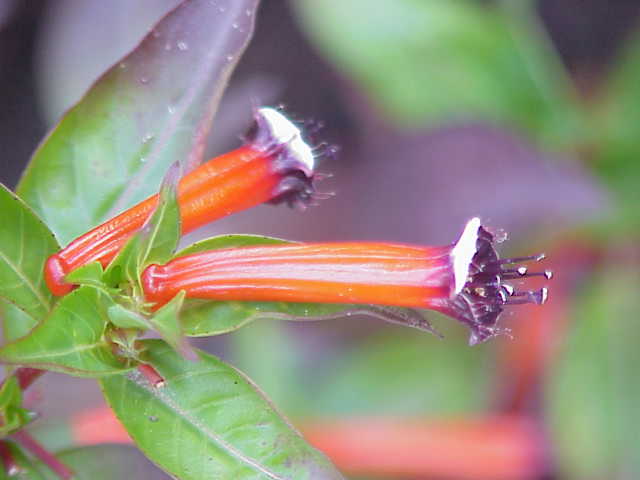
The family includes five subfamilies, reflecting past classifications now merged. Major genera include Cuphea with over 270 species, Lagerstroemia (crape myrtles), and Lythrum (loosestrifes). It also contains economically important single-species genera like Punica (pomegranate) and Lawsonia (henna).
What Lythraceae means
While not tied to specific religious rites, some members hold cultural value: pomegranate appears in many traditions for its fruit, and henna is used in ceremonies across South Asia and the Middle East. Purple loosestrife is noted more for its ecological impact than symbolism, having spread aggressively in northern wetlands.
Questions people ask about Lythraceae
Where does the Lythraceae family come from?
It has a worldwide distribution, with most species in tropical regions and some in temperate zones, but it is absent from the Sahara and arid parts of Australia.
What useful plants are in this family?
It includes pomegranate and water caltrop for food, henna for dye, and ornamentals like crape myrtle and purple loosestrife.
Is purple loosestrife harmful?
Yes, it is an invasive exotic weed in wetlands across Canada and the United States, spreading aggressively and disrupting native ecosystems.
How do Lythraceae flowers look?
They usually have four to eight petals emerging from a cup-shaped base, often appearing rumpled; the flowers are bisexual and radially symmetrical.
Do any grow in water?
Yes, many species like Decodon, Rotala, Sonneratia and Trapa occur in aquatic or semi-aquatic habitats.
Good reading and sources
- Encyclopaedia BritannicaArticle
- USDA Plants DatabaseUS Department of Agriculture, Article
- Plants of the World OnlineRoyal Botanic Gardens, Kew, Plant database
- Where it has been recordedGBIF, Plant database
- Sightings and photos by naturalistsiNaturalist, Plant database
The facts on this page come from the Wikipedia article "Lythraceae", written by its contributors and used under the CC BY-SA 4.0 licence, and from its Wikidata record (CC0). EveryPhool rewrote the text in its own words, with AI assistance, and compares every page with the article to make sure no passage is copied. It may be reused under the same CC BY-SA 4.0 licence with a link back.
It may contain mistakes. It is not medical or foraging advice: many flowers are poisonous, and traditional uses are reported, not recommended. If something is wrong, tell us. Last refreshed 2026-10-04.
More of the same kind
 WillowSalix
Deciduous trees and shrubs with early spring catkin flowers
Salix · Wildflower
WillowSalix
Deciduous trees and shrubs with early spring catkin flowers
Salix · Wildflower
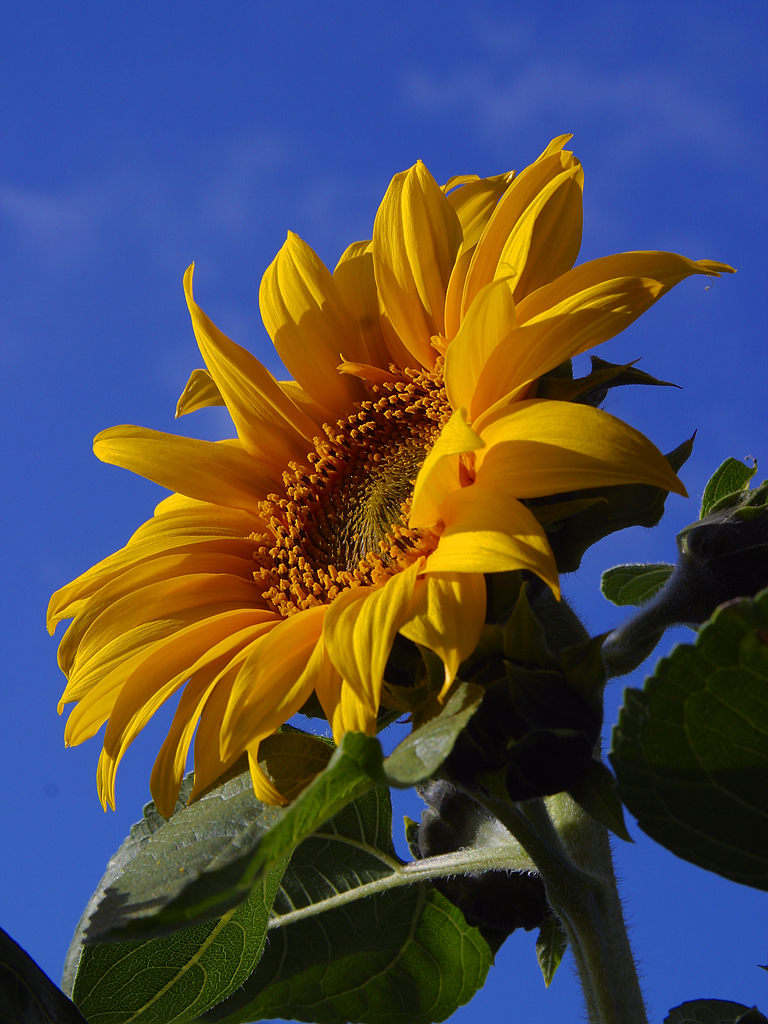 Common sunflowerHelianthus annuus
A tall annual plant grown for its large yellow flower heads and edible seeds
🇨🇦 Canada and 4 more · Wildflower
Common sunflowerHelianthus annuus
A tall annual plant grown for its large yellow flower heads and edible seeds
🇨🇦 Canada and 4 more · Wildflower
 BirchBetula
Slender trees with papery bark found across the northern world
🇨🇳 China and 7 more · Wildflower
BirchBetula
Slender trees with papery bark found across the northern world
🇨🇳 China and 7 more · Wildflower
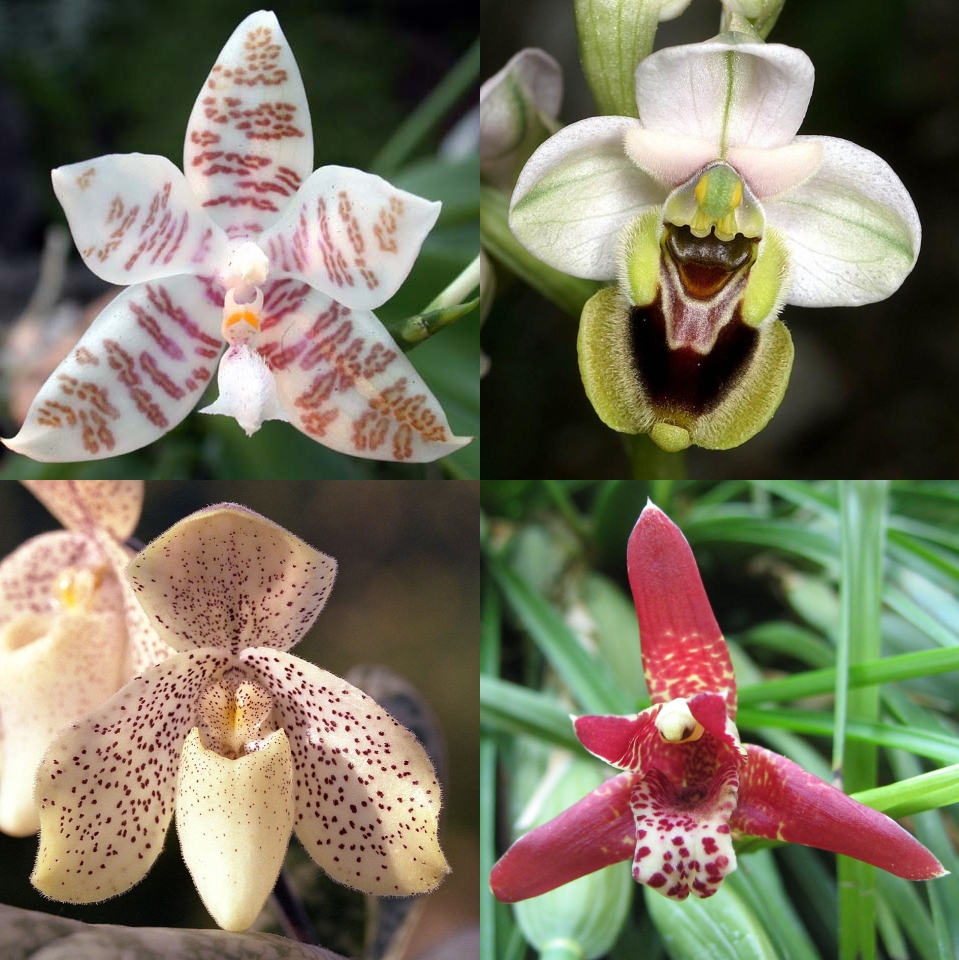 OrchidOrchidaceae
A vast family of colourful, often fragrant flowers found almost everywhere on earth
Orchidaceae · Wildflower
OrchidOrchidaceae
A vast family of colourful, often fragrant flowers found almost everywhere on earth
Orchidaceae · Wildflower
More from the United States
All the flowers of the United States RoseRosa
Prickly flowering shrubs grown across the world for fragrant blossoms and rose hips
🇨🇳 China and 7 more · Flowering shrub
RoseRosa
Prickly flowering shrubs grown across the world for fragrant blossoms and rose hips
🇨🇳 China and 7 more · Flowering shrub
 PeachPrunus persica
A flowering fruit tree from China, grown for its pink blossoms and sweet fruit
🇨🇳 China and 7 more · Flowering tree
PeachPrunus persica
A flowering fruit tree from China, grown for its pink blossoms and sweet fruit
🇨🇳 China and 7 more · Flowering tree
 AlmondPrunus amygdalus
A Mediterranean tree grown for its fragrant spring flowers and edible seeds
🇮🇷 Iran and 6 more · Flowering tree
AlmondPrunus amygdalus
A Mediterranean tree grown for its fragrant spring flowers and edible seeds
🇮🇷 Iran and 6 more · Flowering tree
 CactusCactaceae
Succulent plants with spines, native to the Americas
🇲🇽 Mexico and 7 more · Wildflower
CactusCactaceae
Succulent plants with spines, native to the Americas
🇲🇽 Mexico and 7 more · Wildflower