
Miltonia
Medium-large Brazilian orchids with showy, long-lasting flowers
Miltonia is a genus of orchids native mostly to Brazil, with one species reaching Argentina and Paraguay. These epiphytic plants have large, often fragrant flowers in a range of colors, and are popular with collectors and hybridizers for their lasting blooms and ease of cultivation.
- Native to Brazil, with one species in Argentina and Paraguay
- Flowers are large, long-lasting, and lightly fragrant
- Often called pansy orchids, though true pansy orchids are Miltoniopsis
- Popular with collectors and used in hybridization
What does Miltonia look like?
Miltonia orchids are medium to large plants, reaching about 50 cm tall. They grow with slightly spaced pseudobulbs, each bearing two narrow, flexible leaves. Their flowers, which can be 4 to 15 cm across, appear on upright stems and may be white, pink, purple, yellow, lilac, green, or brown, sometimes with spots or contrasting lips. The flowers are waxy, long-lasting, and lightly scented, sometimes compared to roses. The lip is broad and flat, often showy, and the flowers open in succession.
Where does Miltonia come from?
Miltonia is native to Brazil, with one species extending into northeast Argentina and eastern Paraguay. The genus was named in 1837 by John Lindley after Charles Wentworth-Fitzwilliam, Viscount Milton, an English orchid enthusiast. Most species were discovered between 1834 and 1850, except M. kayasimae, found in 1976. Over time, several plants once classified as Miltonia have been moved to other genera, and the boundaries between Miltonia and related orchids like Oncidium and Miltoniopsis have been debated by botanists.
When and how Miltonia blooms
Miltonia orchids bloom mainly from late spring to late summer, with some species flowering in late winter. Their inflorescences arise from the base of the pseudobulbs, often longer than the leaves, and can carry several flowers that open together or in succession. These orchids are epiphytes, growing on trees in their native habitats. They are propagated and grown by collectors for their attractive, long-lasting blooms.


How Miltonia is used
Miltonia orchids are favored by collectors and orchid enthusiasts worldwide for their showy flowers and ease of cultivation. They are often grown as ornamental plants in homes and greenhouses, and their species are widely used to create artificial hybrids. Their attractive appearance and pleasant scent make them popular as gifts and decorative plants.
Kinds of Miltonia
There are twelve recognized species and several natural hybrids in the genus Miltonia. Flower size, color, and pattern vary widely among species. Some, like Miltonia spectabilis, are more 'pansy-like' in appearance. The genus is often confused with Miltoniopsis, which has even larger, more pansy-like flowers but comes from cooler climates. Hybridization with related genera is common in cultivation.
What Miltonia means
Miltonia orchids are sometimes called pansy orchids, though this name is more accurately used for Miltoniopsis. The confusion between these genera is common outside specialist circles. Miltonia is named after an English patron of horticulture. These orchids are not tied to any particular symbolism or religious use in the sources, but they are valued for their beauty and are a staple among orchid collectors.
Questions people ask about Miltonia
Where does Miltonia come from?
Miltonia orchids are native to Brazil, with one species extending into northeast Argentina and eastern Paraguay. They are found growing as epiphytes in these regions.
What do Miltonia flowers look like?
Miltonia flowers are large, waxy, and come in colors like white, pink, purple, yellow, lilac, green, and brown. They often have contrasting lips and can be spotted or plain. The flowers are lightly fragrant and long-lasting.
Why are Miltonia called pansy orchids?
Miltonia are sometimes called pansy orchids because some species, especially Miltonia spectabilis, have flowers that vaguely resemble pansies. However, the true pansy orchids are Miltoniopsis, which have even more pansy-like flowers.
How are Miltonia orchids used?
Miltonia orchids are mainly grown as ornamental plants by collectors and enthusiasts. Their attractive flowers and ease of cultivation make them popular in homes and greenhouses, and they are also used to create hybrids.
Are Miltonia orchids fragrant?
Yes, the flowers of Miltonia orchids have a delicate, exotic scent that some compare to roses.
Good reading and sources
- USDA Plants DatabaseUS Department of Agriculture, Article
- Plants of the World OnlineRoyal Botanic Gardens, Kew, Plant database
- Where it has been recordedGBIF, Plant database
- Sightings and photos by naturalistsiNaturalist, Plant database
The facts on this page come from the Wikipedia article "Miltonia", written by its contributors and used under the CC BY-SA 4.0 licence, and from its Wikidata record (CC0). EveryPhool rewrote the text in its own words, with AI assistance, and compares every page with the article to make sure no passage is copied. It may be reused under the same CC BY-SA 4.0 licence with a link back.
It may contain mistakes. It is not medical or foraging advice: many flowers are poisonous, and traditional uses are reported, not recommended. If something is wrong, tell us. Last refreshed 2026-10-03.
Others in the family Orchidaceae
The whole family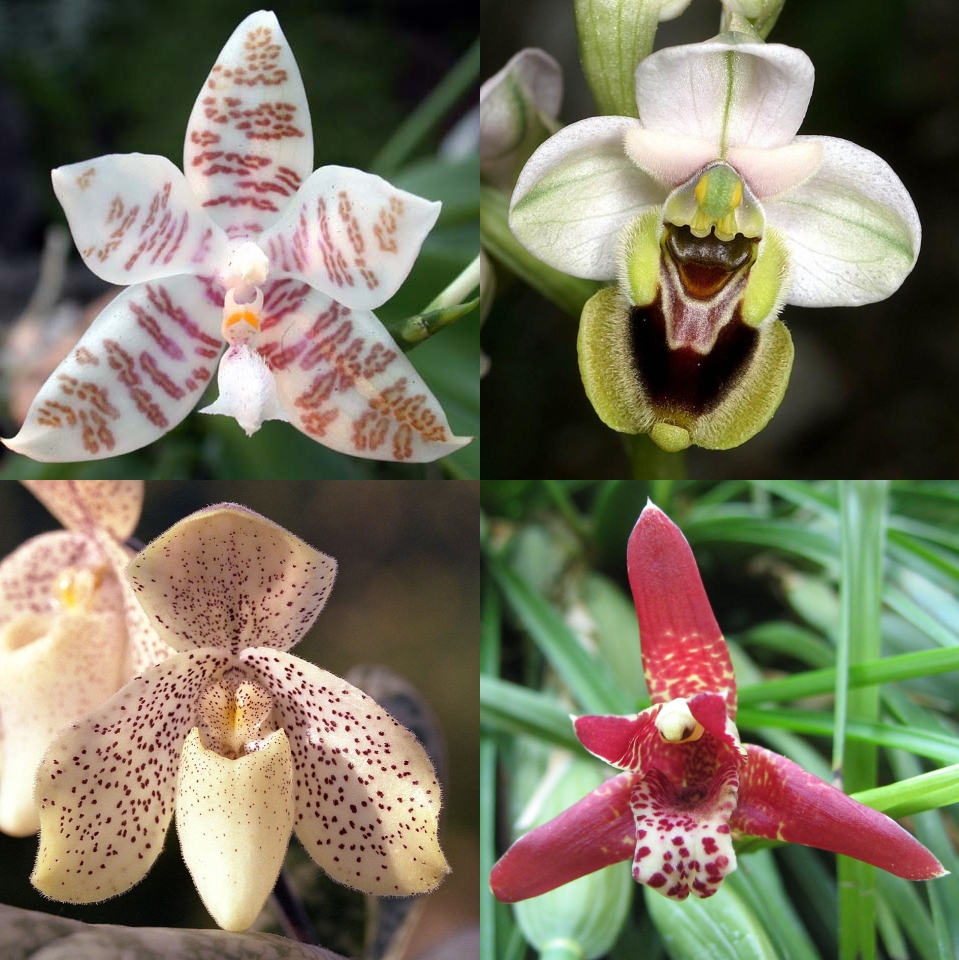 OrchidOrchidaceae
A vast family of colourful, often fragrant flowers found almost everywhere on earth
Orchidaceae · Wildflower
OrchidOrchidaceae
A vast family of colourful, often fragrant flowers found almost everywhere on earth
Orchidaceae · Wildflower
 Vanilla
Climbing orchids with pods used for the world’s most popular flavor
🇲🇽 Mexico and 7 more · Wildflower
Vanilla
Climbing orchids with pods used for the world’s most popular flavor
🇲🇽 Mexico and 7 more · Wildflower
 Orchis
A group of wild orchids with tuberous roots from Europe, North Africa and Asia
🇹🇷 Turkey and 7 more · Wildflower
Orchis
A group of wild orchids with tuberous roots from Europe, North Africa and Asia
🇹🇷 Turkey and 7 more · Wildflower
 VanillaVanilla planifolia
The climbing orchid behind most of the world’s vanilla flavour
🇲🇽 Mexico and 8 more · Wildflower
VanillaVanilla planifolia
The climbing orchid behind most of the world’s vanilla flavour
🇲🇽 Mexico and 8 more · Wildflower
More from Brazil
All the flowers of Brazil CactusCactaceae
Succulent plants with spines, native to the Americas
🇲🇽 Mexico and 7 more · Wildflower
CactusCactaceae
Succulent plants with spines, native to the Americas
🇲🇽 Mexico and 7 more · Wildflower
 Eucalyptus
The tall, aromatic trees and shrubs known as gum trees or eucalypts
🇦🇺 Australia and 7 more · Flowering tree
Eucalyptus
The tall, aromatic trees and shrubs known as gum trees or eucalypts
🇦🇺 Australia and 7 more · Flowering tree
 Asteraceae
The large plant family behind daisies, sunflowers and asters
🇺🇸 United States and 2 more · Wildflower
Asteraceae
The large plant family behind daisies, sunflowers and asters
🇺🇸 United States and 2 more · Wildflower
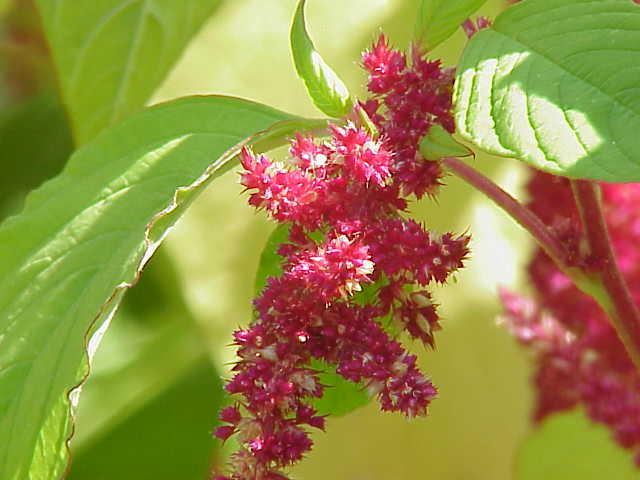 AmaranthAmaranthus
A tall, colourful plant grown for its flowers, leaves and edible seeds
🇲🇽 Mexico and 7 more · Wildflower
AmaranthAmaranthus
A tall, colourful plant grown for its flowers, leaves and edible seeds
🇲🇽 Mexico and 7 more · Wildflower