
Nematanthus
A trailing Brazilian plant with pouch-shaped flowers that resemble goldfish
Nematanthus is a genus of flowering plants native to Brazil, known for its small succulent leaves and distinctive fused-petal blooms. Many species grow as epiphytes in the wild and are cultivated in hanging baskets for their year-round, nectar-rich flowers that attract hummingbirds.
- All species are endemic to Brazil
- Flowers resemble goldfish, giving rise to common names
- Blooms can occur year-round in cultivation
- Leaves are succulent and often red underneath
- Non-toxic to pets according to ASPCA
What does Nematanthus look like?
Nematanthus plants have small, thick leaves often reddish underneath and a spreading or trailing growth form. Their flowers feature fused petals and come in varied shapes, some with a pouch at the base or top, others bell- or funnel-shaped. Colors range from yellow and orange to red and white, sometimes patterned with spots or stripes.
Where does Nematanthus come from?
All Nematanthus species are found only in Brazil. The genus was first described in 1821 by Heinrich Adolph Schrader, based on Nematanthus corticola, which has long flower stalks. Its name comes from Greek words for 'thread' and 'flower', referencing those slender stalks.
When and how Nematanthus blooms
These plants bloom throughout the year under suitable conditions. They prefer bright, indirect light, warm temperatures (15–25°C), and moist but well-drained soil. Their tuberous roots store water, and they thrive when slightly root-bound. Pruning encourages more flowering, and propagation is typically done via cuttings.


How Nematanthus is used
Nematanthus is grown mainly as an ornamental houseplant, especially in hanging baskets where its trailing stems can drape. Its nectar-filled flowers attract hummingbirds in natural settings. It is considered safe around pets and is valued for its long blooming period and glossy foliage.
Kinds of Nematanthus
Several cultivated varieties exist, including 'Tropicana' with yellow-and-red striped flowers, 'Rio' with orange-red blooms, and 'Gietvoz', a compact type with attractive waxy leaves. Some cultivars originated from crosses made in the United States, while others have unknown parentage.
What Nematanthus means
Though not tied to religious or national symbolism, Nematanthus is appreciated in horticulture for its unusual flowers and ease of care indoors. Its common names reflect the fancied likeness of its pouched blooms to goldfish or guppies, a visual trait that appeals to growers worldwide.
Questions people ask about Nematanthus
Where does Nematanthus come from?
All Nematanthus species are native to Brazil, where they grow mainly as epiphytes in forests.
Why is it called the goldfish plant?
Some species have pouched, fused-petal flowers that people say look like goldfish or guppies.
Does it bloom all year?
Yes, when grown in proper conditions, bright indirect light, warmth, and consistent moisture, it can flower continuously.
Is Nematanthus safe for cats and dogs?
Yes, it is listed as non-toxic to pets by the ASPCA.
How is it usually grown?
It is commonly kept in hanging baskets indoors, where its trailing stems and colorful flowers can be displayed.
Good reading and sources
- Plants of the World OnlineRoyal Botanic Gardens, Kew, Plant database
- Where it has been recordedGBIF, Plant database
- Sightings and photos by naturalistsiNaturalist, Plant database
The facts on this page come from the Wikipedia article "Nematanthus", written by its contributors and used under the CC BY-SA 4.0 licence, and from its Wikidata record (CC0). Phool rewrote the text in its own words, with AI assistance, and compares every page with the article to make sure no passage is copied. It may be reused under the same CC BY-SA 4.0 licence with a link back.
It may contain mistakes. It is not medical or foraging advice: many flowers are poisonous, and traditional uses are reported, not recommended. If something is wrong, tell us. Last refreshed 2026-10-03.
Others in the family Gesneriaceae
The whole family HaberleaHaberlea rhodopensis
A rare Balkan flower that revives after years without water
🇧🇬 Bulgaria and 1 more · Wildflower
HaberleaHaberlea rhodopensis
A rare Balkan flower that revives after years without water
🇧🇬 Bulgaria and 1 more · Wildflower
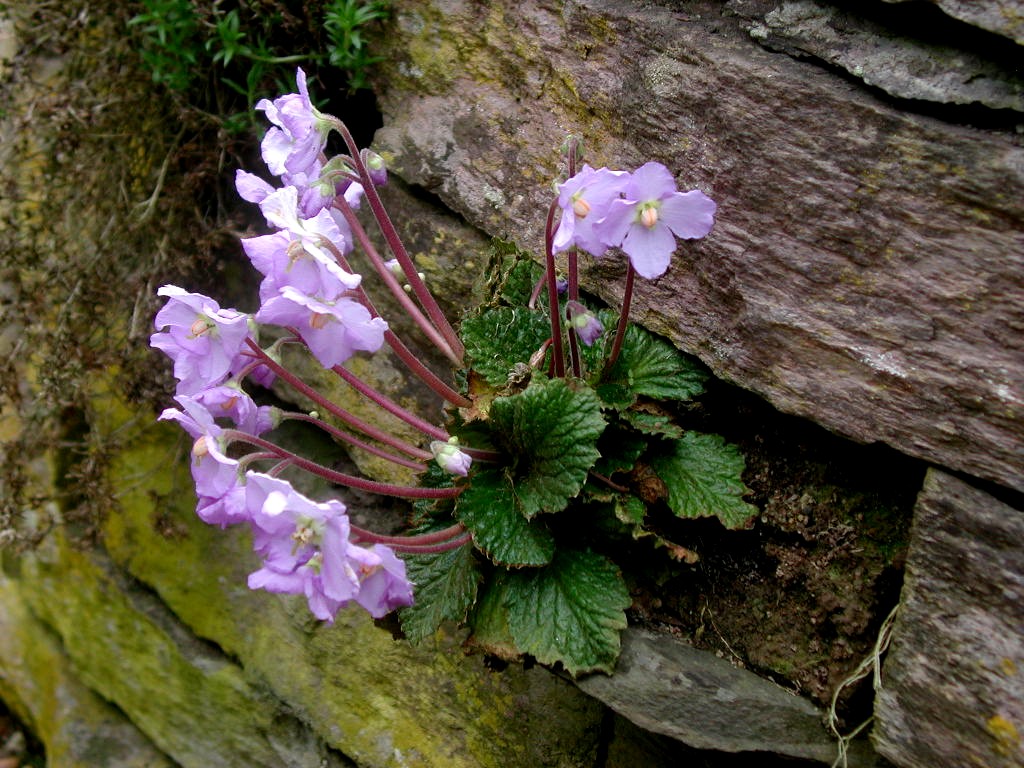 Ramonda nathaliaeНаталијина рамонда
A small Balkan flower that can survive drying out and revive with water
🇷🇸 Serbia and 2 more · Wildflower
Ramonda nathaliaeНаталијина рамонда
A small Balkan flower that can survive drying out and revive with water
🇷🇸 Serbia and 2 more · Wildflower
 African violetSaintpaulia
A small, velvety-leaved house plant with violet, blue or white flowers from East Africa
🇹🇿 Tanzania and 1 more · Wildflower
African violetSaintpaulia
A small, velvety-leaved house plant with violet, blue or white flowers from East Africa
🇹🇿 Tanzania and 1 more · Wildflower
 Brazilian gloxiniaSinningia speciosa
A tuberous houseplant with large, velvety flowers from Brazil
🇧🇷 Brazil and 1 more · Garden flower
Brazilian gloxiniaSinningia speciosa
A tuberous houseplant with large, velvety flowers from Brazil
🇧🇷 Brazil and 1 more · Garden flower
More from Brazil
All the flowers of Brazil CactusCactaceae
Succulent plants with spines, native to the Americas
🇲🇽 Mexico and 7 more · Wildflower
CactusCactaceae
Succulent plants with spines, native to the Americas
🇲🇽 Mexico and 7 more · Wildflower
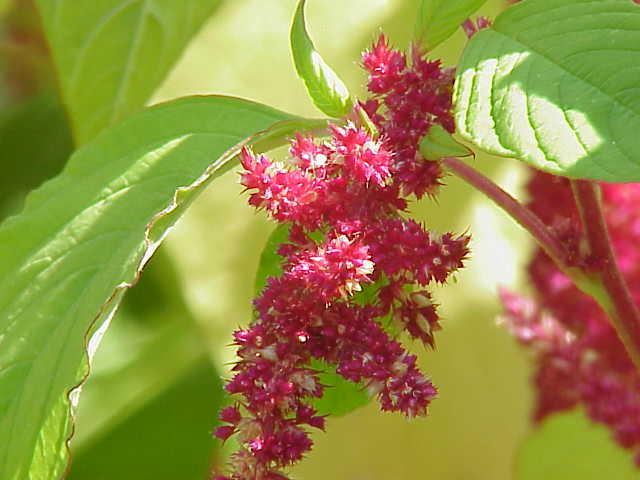 AmaranthAmaranthus
A tall, colourful plant grown for its flowers, leaves and edible seeds
🇲🇽 Mexico and 7 more · Wildflower
AmaranthAmaranthus
A tall, colourful plant grown for its flowers, leaves and edible seeds
🇲🇽 Mexico and 7 more · Wildflower
 Sensitive PlantMimosa pudica
A touch-sensitive plant whose leaves fold up when disturbed
🇧🇷 Brazil and 8 more · Wildflower
Sensitive PlantMimosa pudica
A touch-sensitive plant whose leaves fold up when disturbed
🇧🇷 Brazil and 8 more · Wildflower
 Passion fruitPassiflora edulis
A tropical vine grown for its sweet-sour, aromatic fruit
🇧🇷 Brazil and 6 more · Climber
Passion fruitPassiflora edulis
A tropical vine grown for its sweet-sour, aromatic fruit
🇧🇷 Brazil and 6 more · Climber