
Tree marigold
Tithonia diversifolia, family Asteraceae
A tall yellow-orange flower grown wild and as green manure in many warm regions
Tree marigold is a tall, fast-growing plant with large yellow to orange flowers, native to Mexico and Central America. Now found across the tropics, it is valued for its showy blooms, use as green manure to enrich soil, and as an emblem in places like Vietnam and Thailand.
- Native to Mexico and Central America, now found across the tropics
- Large yellow to orange flowers with a light honey scent
- Used as green manure to improve soil fertility
- Official symbol of Da Lat city, Vietnam and Mae Hong Son Province, Thailand
- Known as Nitobe chrysanthemum in Japan
What does Tree marigold look like?
Tree marigold grows as a woody shrub, usually 2 to 3 meters tall, with upright stems. Its leaves are large, lobed, and slightly grayish on the underside, often 10 to 40 centimeters long. The plant produces big, showy flowers that are yellow to orange, measuring 5 to 15 centimeters across, with a light honey scent. The seeds are small, four-angled, and spread by wind, water, or animals.
Where does Tree marigold come from?
Native to Mexico and Central America, tree marigold was first domesticated there and later spread to Central and South America and the southern United States. It was introduced to Africa and Asia as an ornamental, where it has become widespread and sometimes invasive. The plant is found in humid and semi-humid areas, often along rivers and roadsides, and grows best at altitudes between 550 and 1950 meters.
When and how Tree marigold blooms
Tree marigold thrives in a range of conditions, preferring areas with 1000–2000 mm of annual rainfall and temperatures from 15–31°C. It can be grown from seeds or cuttings and is often planted in hedges or along field edges. The plant blooms mainly from April to June. For use as green manure, its green stems, leaves, and flowers are cut every five months and applied to soil as mulch or fertilizer.


How Tree marigold is used
People grow tree marigold for its ornamental flowers and as a green manure to improve soil fertility, especially for crops like tomatoes and maize. In Vietnam and Thailand, it is a local emblem and is used in festivals and public plantings. In Japan and Taiwan, it appears in herbal markets and has been used traditionally to help induce fever. Its flowers can also attract beneficial insects in agriculture.
Kinds of Tree marigold
The plant is known by many names in different regions, such as kembang bulan in Indonesia and dã quỳ in Vietnam. In Japan, it is called Nitobe chrysanthemum, linked to the story of its introduction by Nitobe Inazo. Its role as a provincial or city flower varies by country, with special status in places like Da Lat and Mae Hong Son.
What Tree marigold means
Tree marigold is the official symbol of Da Lat city in Vietnam and the provincial flower of Mae Hong Son in Thailand. In Japan, its introduction is associated with the Meiji period and Nitobe Inazo. The plant is valued for its soil-enriching properties and is sometimes used in traditional remedies. Its bright flowers are a familiar sight in festivals and public gardens in several Asian countries.
Where to see Tree marigold

Questions people ask about Tree marigold
Where does tree marigold come from?
Tree marigold is native to Mexico and Central America. It was later introduced to other regions, including Africa and Asia, where it now grows widely in tropical and subtropical climates.
What does tree marigold look like?
It is a tall woody shrub, 2–3 meters high, with large, lobed leaves and big, showy yellow to orange flowers. The flowers have a light honey scent and can be up to 15 centimeters across.
How is tree marigold used?
Tree marigold is grown for its ornamental flowers and as a green manure to enrich soil. It is also used as a symbol in Vietnam and Thailand, and appears in herbal medicine markets in Taiwan and Japan.
What does tree marigold symbolize?
It is the official flower of Da Lat city in Vietnam and the provincial flower of Mae Hong Son in Thailand. In Japan, it is linked to the Meiji period and the figure Nitobe Inazo.
When does tree marigold flower?
The plant mainly flowers from April to June, producing its large yellow to orange blooms during the spring season.
Good reading and sources
- NParksNational Parks Board, Singapore, Article
- USDA Plants DatabaseUS Department of Agriculture, Article
- Plants of the World OnlineRoyal Botanic Gardens, Kew, Plant database
- Where it has been recordedGBIF, Plant database
- Sightings and photos by naturalistsiNaturalist, Plant database
- Tithonia diversifolia on WikipediaEncyclopedia
- More photos on Wikimedia CommonsPhotos
- Wikidata recordOpen data
The facts on this page come from the Wikipedia article "Tithonia diversifolia", written by its contributors and used under the CC BY-SA 4.0 licence, and from its Wikidata record (CC0). Phool rewrote the text in its own words, with AI assistance, and compares every page with the article to make sure no passage is copied. It may be reused under the same CC BY-SA 4.0 licence with a link back.
It may contain mistakes. It is not medical or foraging advice: many flowers are poisonous, and traditional uses are reported, not recommended. If something is wrong, tell us. Last refreshed 2026-10-03.
Others in the family Asteraceae
The whole family Chrysanthemum菊花
Autumn-blooming flower with thousands of varieties, cherished in East Asia and beyond
🇨🇳 China and 6 more · Wildflower
Chrysanthemum菊花
Autumn-blooming flower with thousands of varieties, cherished in East Asia and beyond
🇨🇳 China and 6 more · Wildflower
 Asteraceae
The vast family of daisies, asters, and sunflowers with star-like flower heads
Asteraceae · Wildflower
Asteraceae
The vast family of daisies, asters, and sunflowers with star-like flower heads
Asteraceae · Wildflower
 DandelionTaraxacum
A yellow-flowered perennial found in fields, lawns, and gardens worldwide
Taraxacum · Wildflower
DandelionTaraxacum
A yellow-flowered perennial found in fields, lawns, and gardens worldwide
Taraxacum · Wildflower
 Dahlia
A bushy perennial with tuberous roots and bright, star-shaped blooms
🇲🇽 Mexico and 1 more · Garden flower
Dahlia
A bushy perennial with tuberous roots and bright, star-shaped blooms
🇲🇽 Mexico and 1 more · Garden flower
More from Mexico
All the flowers of Mexico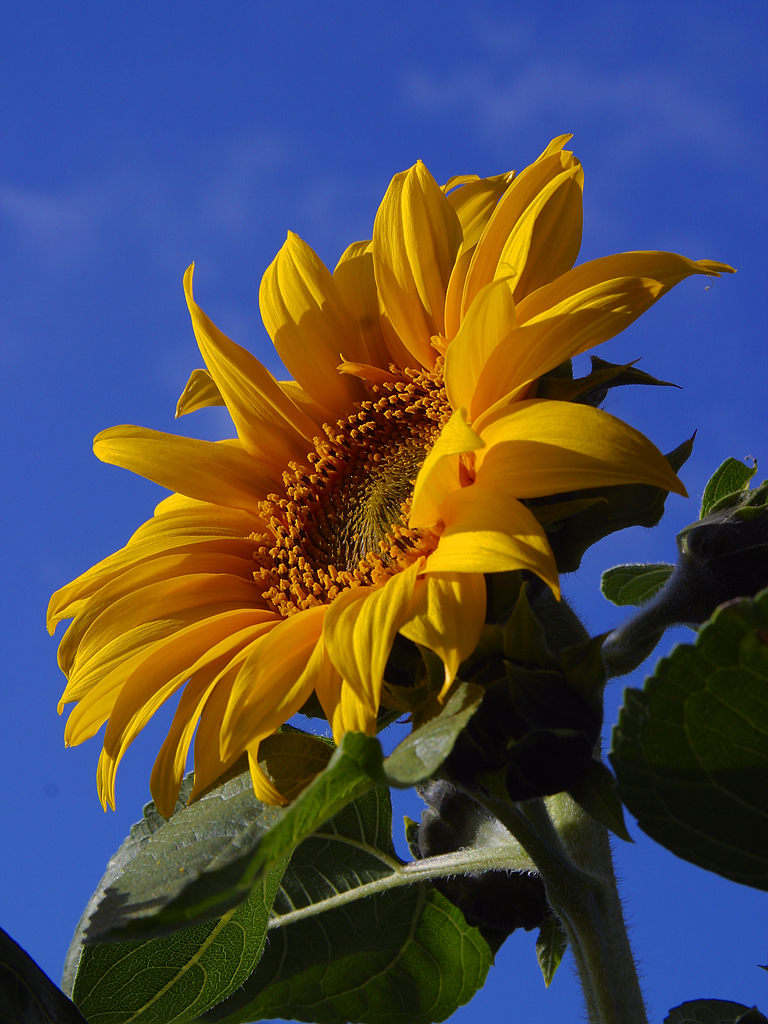 Common sunflowerHelianthus annuus
A tall annual plant grown for its large yellow flower heads and edible seeds
🇨🇦 Canada and 4 more · Wildflower
Common sunflowerHelianthus annuus
A tall annual plant grown for its large yellow flower heads and edible seeds
🇨🇦 Canada and 4 more · Wildflower
 CactusCactaceae
Succulent plants with spines, native to the Americas
🇲🇽 Mexico and 7 more · Wildflower
CactusCactaceae
Succulent plants with spines, native to the Americas
🇲🇽 Mexico and 7 more · Wildflower
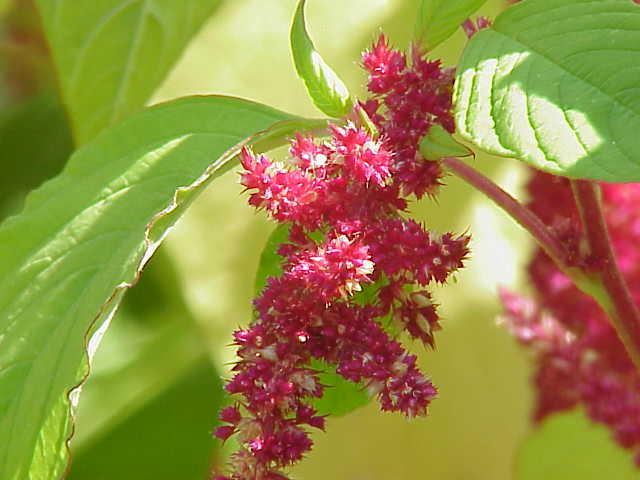 AmaranthAmaranthus
A tall, colourful plant grown for its flowers, leaves and edible seeds
🇲🇽 Mexico and 7 more · Wildflower
AmaranthAmaranthus
A tall, colourful plant grown for its flowers, leaves and edible seeds
🇲🇽 Mexico and 7 more · Wildflower
 HawthornCrataegus
A thorny shrub or tree with white or pink spring flowers and small edible fruits
🇮🇪 Ireland and 7 more · Wildflower
HawthornCrataegus
A thorny shrub or tree with white or pink spring flowers and small edible fruits
🇮🇪 Ireland and 7 more · Wildflower