
Batumi Botanical Garden
In its own language: ბათუმის ბოტანიკური ბაღი
A vast Black Sea garden with plants from around the world and sweeping sea views
Batumi Botanical Garden is a 108-hectare coastal garden just north of Batumi, Georgia. It features thousands of plant species from many regions, arranged in themed sections, and is known for its subtropical collections, scenic trails, and panoramic lookouts over the sea.
- Covers 108 hectares along the Black Sea coast near Batumi
- Features themed sections with plants from nine world regions
- Home to over 2,000 species and varieties of woody plants
- Popular for spring azaleas, rhododendrons, and panoramic viewpoints
- Founded by botanist Andrey Krasnov in the early 1900s
What is Batumi Botanical Garden?
Batumi Botanical Garden covers rolling hills and ravines along the Black Sea, offering a blend of lush subtropical greenery and open sea vistas. The garden is organized into nine main areas, each representing the plant life of a different world region. Visitors can wander through bamboo groves, forests, and flowering shrublands. There are well-marked paths, picnic spots, and high viewpoints for taking in the landscape.
The history of Batumi Botanical Garden
The garden was founded by botanist Andrey Krasnov in the late 19th century and opened to the public in 1912. Krasnov worked with French and Georgian gardeners to design the grounds. His grave and statue remain on site. During the Soviet period, the garden expanded and became a leading center for subtropical plant research. Today, it operates independently and continues its scientific and conservation work.
What there is to see
The garden is divided into sections that showcase plants from different regions, such as the Caucasus, East Asia, and the Mediterranean. Each area is planted to resemble its native landscape. The collections include rare and threatened species, with a focus on woody plants. Facilities also include a herbarium, seed banks, and experimental plots for studying plant adaptation.


When to go
Open every day, the garden draws visitors year-round, with spring and early summer especially popular for the blooms of azaleas, rhododendrons, and roses. Guided tours, exhibitions, and workshops are offered. The garden is easy to reach by road, public transport, or a coastal hiking trail. Visitors enjoy walking, sightseeing, and learning about plant diversity and conservation.
Parts and collections
The garden’s nine sections each highlight the flora of a different region, including the Caucasus, East Asia, and Australia. Collections are especially rich in rhododendrons, camellias, magnolias, and palms. Seasonal displays change throughout the year, with spring blossoms, summer flowers, and autumn foliage each drawing interest.
Why Batumi Botanical Garden matters
Batumi Botanical Garden is a key site for plant research and conservation in Georgia. It is one of the largest gardens in the region and a major destination for both locals and tourists. The garden’s history is tied to early 20th-century botanical science, and it remains important for education, biodiversity, and leisure.
The flowers of Batumi Botanical Garden
 EucalyptusThe tall, aromatic trees and shrubs known as gum trees or eucalypts
 OleanderA showy, evergreen shrub with clusters of pink, white or red flowers
 HibiscusA tropical genus with large, colourful trumpet-shaped flowers
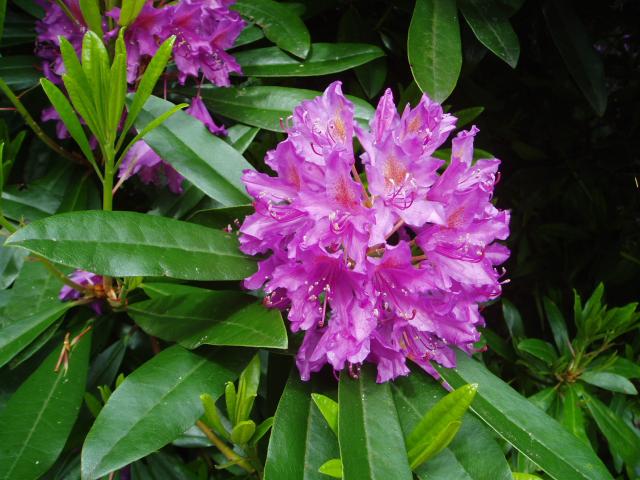 RhododendronA vast group of shrubs and trees with showy blooms in many colours
 CamelliaEvergreen shrubs and trees with showy blooms, best known for tea and garden flowers
 ChampakA tall tree with fragrant yellow to orange flowers, prized in South and Southeast Asia
 Rose of SharonThe national flower of South Korea with short-lived summer blooms
 Campbell's MagnoliaA Himalayan tree with large pink or white flowers blooming before the leaves
Questions people ask about Batumi Botanical Garden
Where is Batumi Botanical Garden located?
The garden is about 9 kilometers north of Batumi, in the Adjara region of Georgia, set along the Black Sea coast at a place called Mtsvane Kontskhi or 'The Green Cape'.
What can visitors see at the garden?
Visitors can explore themed areas with plants from different parts of the world, walk through bamboo groves and forests, enjoy sea views, and see seasonal flower displays like azaleas and rhododendrons.
When is the best time to visit Batumi Botanical Garden?
Spring and early summer are especially popular for the blooming azaleas, rhododendrons, and roses, but the garden is open and visited throughout the year.
What is special about the plant collections?
The garden holds thousands of species, including rare and threatened plants, with notable collections of rhododendrons, camellias, magnolias, bamboo, and palms.
Who founded Batumi Botanical Garden?
Russian botanist Andrey Krasnov began the garden in the 1880s, and it officially opened in 1912. His grave and statue are still within the grounds.
Good reading and sources
- Batumi Botanical Garden on WikipediaEncyclopedia
- More photos on Wikimedia CommonsPhotos
- Wikidata recordOpen data
The facts on this page come from the Wikipedia article "Batumi Botanical Garden", written by its contributors and used under the CC BY-SA 4.0 licence, and from its Wikidata record (CC0). Phool rewrote the text in its own words, with AI assistance, and compares every page with the article to make sure no passage is copied. It may be reused under the same CC BY-SA 4.0 licence with a link back.
It may contain mistakes. Opening times, prices and bloom dates change: check with the place before you travel. If something is wrong, tell us. Last refreshed 2026-10-03.
More of the same kind
 Place
Tropical Botanical Garden and Research Institute
A major botanical garden and research centre in Thiruvananthapuram, Kerala
Thiruvananthapuram, 🇮🇳 India · Botanical garden
Place
Tropical Botanical Garden and Research Institute
A major botanical garden and research centre in Thiruvananthapuram, Kerala
Thiruvananthapuram, 🇮🇳 India · Botanical garden
 Place
Baldha Gardenবলধা গার্ডেন
A historic botanical garden in Old Dhaka with hundreds of plant species
Dhaka, 🇧🇩 Bangladesh · Botanical garden
Place
Baldha Gardenবলধা গার্ডেন
A historic botanical garden in Old Dhaka with hundreds of plant species
Dhaka, 🇧🇩 Bangladesh · Botanical garden
 Place
Hakone Botanical Garden of Wetlands箱根湿生花園
A garden of wetland and alpine plants in Hakone, Japan
Hakone, 🇯🇵 Japan · Botanical garden
Place
Hakone Botanical Garden of Wetlands箱根湿生花園
A garden of wetland and alpine plants in Hakone, Japan
Hakone, 🇯🇵 Japan · Botanical garden
 Place
Sim's Park, Coonoor
A century-old botanical garden in the Nilgiri hills of Tamil Nadu
Coonoor, 🇮🇳 India · Botanical garden, May
Place
Sim's Park, Coonoor
A century-old botanical garden in the Nilgiri hills of Tamil Nadu
Coonoor, 🇮🇳 India · Botanical garden, May
More from Georgia
All the flowers of Georgia Place
National Botanical Garden of Georgiaსაქართველოს ეროვნული ბოტანიკური ბაღი
A historic 161-hectare botanical garden in the heart of Tbilisi
Tbilisi, 🇬🇪 Georgia · Botanical garden
Place
National Botanical Garden of Georgiaსაქართველოს ეროვნული ბოტანიკური ბაღი
A historic 161-hectare botanical garden in the heart of Tbilisi
Tbilisi, 🇬🇪 Georgia · Botanical garden
 Helianthus
Tall North American plants with large, bright flower heads called sunflowers
🇺🇦 Ukraine and 1 more · Wildflower
Helianthus
Tall North American plants with large, bright flower heads called sunflowers
🇺🇦 Ukraine and 1 more · Wildflower
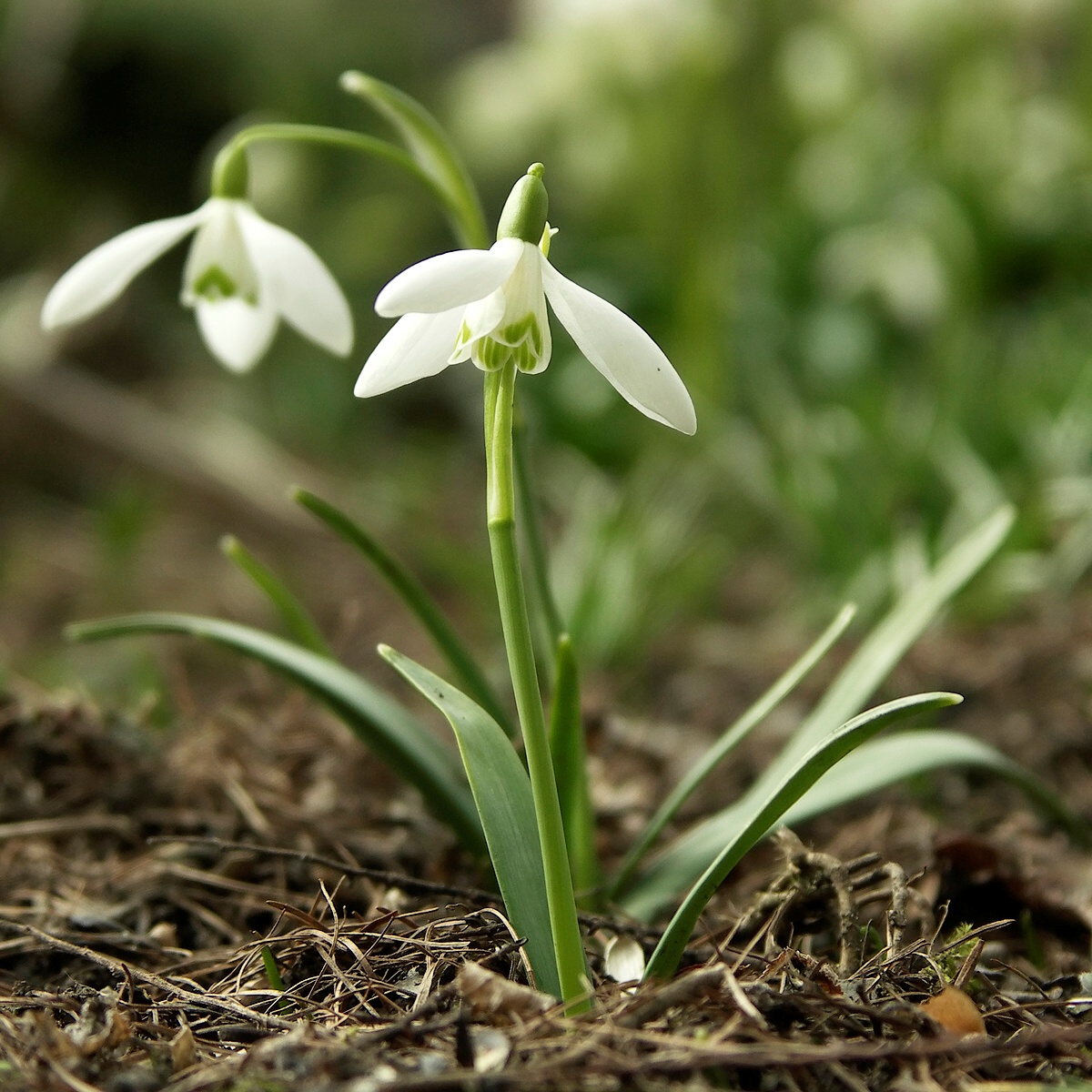 SnowdropGalanthus
White bell-shaped flowers that bloom at the end of winter
🇹🇷 Turkey and 7 more · Wildflower
SnowdropGalanthus
White bell-shaped flowers that bloom at the end of winter
🇹🇷 Turkey and 7 more · Wildflower
 MallowMalva
Edible and ornamental flowering plants with pink, purple or white blooms
🇮🇳 India and 6 more · Wildflower
MallowMalva
Edible and ornamental flowering plants with pink, purple or white blooms
🇮🇳 India and 6 more · Wildflower