
Chrysanthemum tea
In its own language: 菊花茶
A floral infusion made from dried chrysanthemum flowers, popular in East Asia
Chrysanthemum tea is a drink made by steeping dried chrysanthemum flowers, especially Chrysanthemum morifolium and C. indicum, in hot water. Originating in China, it is enjoyed across East and Southeast Asia for its pale to bright yellow color, floral aroma, and traditional uses in both daily life and medicine.
- Made from dried chrysanthemum flowers steeped in hot water
- Popular in China and Korea since the Song dynasty
- Ranges in color from pale to bright yellow
- Often sweetened with rock or cane sugar
- Used in traditional Chinese medicine
What is Chrysanthemum tea?
Chrysanthemum tea is a clear, floral drink made by steeping dried chrysanthemum flowers in hot water. The tea ranges in color from pale to bright yellow and has a gentle floral scent. The flowers used are from varieties of Chrysanthemum morifolium and C. indicum, with some teas featuring prominent yellow or white flower heads. The infusion is transparent and is often served in glass or porcelain cups, sometimes sweetened with rock or cane sugar.
Where does Chrysanthemum tea come from?
The use of chrysanthemum flowers for tea began in China, where the plant was cultivated as early as 1500 BCE. Drinking chrysanthemum tea became especially popular during the Song dynasty. Over time, the custom spread throughout East and Southeast Asia, with each region developing its own preferred varieties and preparation methods. In Korea, the tea is called gukhwa-cha and is made from Indian chrysanthemum, while in China, several regional varieties are prized.
How Chrysanthemum tea is made
To make chrysanthemum tea, dried flowers are steeped in hot water, typically at 90 to 95°C, for two to three minutes. In Chinese tradition, hot water may be added to the same flowers several times. In Korea, flowers are sometimes blanched in bamboo salt water, dried, and then infused. Other methods include preserving the flowers in honey or steaming them with herbal decoctions for medicinal use. The tea can be enjoyed plain or sweetened.

When and where Chrysanthemum tea is used
Chrysanthemum tea is a common beverage in homes and restaurants across East Asia. It is also sold in Asian grocery stores, both as loose flowers and in teabags or cartons. In traditional Chinese medicine, it is used for respiratory and visual ailments. The tea is valued for its floral aroma and is sometimes served at gatherings or as a soothing drink. In Korea, different preparations are made for daily enjoyment or medicinal purposes.
Forms of Chrysanthemum tea
Several regional varieties of chrysanthemum are used for tea in China, such as Huángshān-gòngjú from Huangshan and Hángbáijú from Tongxiang near Hangzhou. Korean gukhwa-cha uses Indian chrysanthemum, often picked before the flowers fully open. There are also honey-preserved and medicinal forms, each with distinct preparation steps and uses.
What Chrysanthemum tea means
Chrysanthemum tea is closely tied to Chinese and Korean traditions. In China, it is associated with health and longevity, and is a staple of herbal tea culture. The drink is also part of traditional medicine and daily life. In Korea, gukhwa-cha is enjoyed both as a beverage and for its supposed health benefits. The tea's gentle aroma and color make it a popular choice for social and family occasions.
The flowers of Chrysanthemum tea
 ChrysanthemumAutumn-blooming flower with thousands of varieties, cherished in East Asia and beyond
 Chrysanthemum japonenseA white-flowered perennial daisy native to coastal Shikoku, Japan
 Indian chrysanthemumA yellow or white-flowered chrysanthemum native to China
 Florist's daisyThe many-petalled autumn bloom of gardens and floral shows
Questions people ask about Chrysanthemum tea
Where does chrysanthemum tea come from?
Chrysanthemum tea originated in China, where the plant was cultivated as early as 1500 BCE. The custom of drinking this floral infusion became popular during the Song dynasty and later spread to other parts of East and Southeast Asia, including Korea.
What is chrysanthemum tea made from?
Chrysanthemum tea is made by steeping dried flowers of Chrysanthemum morifolium or C. indicum in hot water. The flowers are sometimes blanched, dried, or preserved in honey, depending on regional traditions.
What does chrysanthemum tea taste and smell like?
The tea has a gentle floral aroma and a light, refreshing taste. Its color ranges from pale to bright yellow, and it is often enjoyed plain or sweetened with rock or cane sugar.
How is chrysanthemum tea used?
Chrysanthemum tea is enjoyed as a daily beverage in homes and restaurants. It is also used in traditional Chinese medicine for respiratory and visual ailments, and is valued for its soothing qualities.
Are there different types of chrysanthemum tea?
Yes, several regional varieties of chrysanthemum are used for tea, such as Huángshān-gòngjú and Hángbáijú in China, and gukhwa-cha in Korea. There are also honey-preserved and medicinal forms with distinct preparation methods.
Good reading and sources
- Chrysanthemum tea on WikipediaEncyclopedia
- More photos on Wikimedia CommonsPhotos
- Wikidata recordOpen data
The facts on this page come from the Wikipedia article "Chrysanthemum tea", written by its contributors and used under the CC BY-SA 4.0 licence, and from its Wikidata record (CC0). Phool rewrote the text in its own words, with AI assistance, and compares every page with the article to make sure no passage is copied. It may be reused under the same CC BY-SA 4.0 licence with a link back.
It may contain mistakes. If something is wrong, tell us. Last refreshed 2026-10-03.
More of the same kind
 Decoration
Tokonoma床の間
A Japanese alcove for displaying scrolls and flower arrangements
🇯🇵 Japan · Arrangement
Decoration
Tokonoma床の間
A Japanese alcove for displaying scrolls and flower arrangements
🇯🇵 Japan · Arrangement
 Decoration
Floriculture
The science and business of growing flowers and ornamental plants
Arrangement
Decoration
Floriculture
The science and business of growing flowers and ornamental plants
Arrangement
 Decoration
Corn dolly
Straw figures shaped for harvest customs across Europe
🇮🇪 Ireland and 3 more · Flower craft
Decoration
Corn dolly
Straw figures shaped for harvest customs across Europe
🇮🇪 Ireland and 3 more · Flower craft
 Decoration
Sōgetsu草月流
A modern school of Japanese ikebana open to all materials and styles
🇯🇵 Japan · Arrangement
Decoration
Sōgetsu草月流
A modern school of Japanese ikebana open to all materials and styles
🇯🇵 Japan · Arrangement
More from China
All the flowers of China Decoration
Bonsai盆栽
The Japanese art of shaping miniature trees in shallow pots
🇯🇵 Japan and 7 more · Art or design
Decoration
Bonsai盆栽
The Japanese art of shaping miniature trees in shallow pots
🇯🇵 Japan and 7 more · Art or design
 Decoration
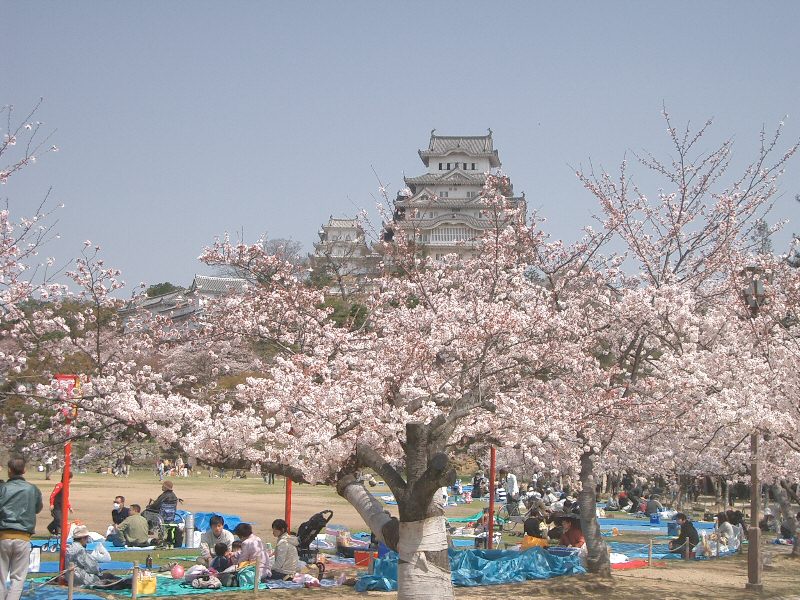
Hanami花見
The Japanese tradition of gathering to enjoy cherry blossoms in spring
🇯🇵 Japan and 7 more · Custom, Jan to May
Decoration
Hanami花見
The Japanese tradition of gathering to enjoy cherry blossoms in spring
🇯🇵 Japan and 7 more · Custom, Jan to May
 Decoration
Bouquet
A creative arrangement of flowers, given or displayed for many occasions
🇨🇳 China and 1 more · Arrangement
Decoration
Bouquet
A creative arrangement of flowers, given or displayed for many occasions
🇨🇳 China and 1 more · Arrangement
 Decoration
Famille rose粉彩
Pink-enamel style of Chinese porcelain decoration
🇨🇳 China and 1 more · Art or design
Decoration
Famille rose粉彩
Pink-enamel style of Chinese porcelain decoration
🇨🇳 China and 1 more · Art or design