
Dutch garden
A formal, geometric flower garden style from the Netherlands
A Dutch garden is a formal style of garden from the Netherlands, known for its geometric layout, enclosed spaces, and use of specimen plants. Typical features include clipped hedges, canals or ponds, and beds filled with tulips and other bulbs. The style spread to England and elsewhere in the 17th century.
- Dutch gardens feature geometric layouts and enclosed spaces.
- Typical plants include tulips, crocuses, and narcissus.
- Water features like canals and ponds are common.
- The style influenced English gardens after 1689.
- Keukenhof is a famous public Dutch garden.
What is Dutch garden?
A Dutch garden is a formal garden style marked by geometric, often symmetrical layouts. Beds are usually rectangular and edged with clipped hedges or low walls. Water features like long, narrow canals or ponds are common, along with trellises, topiary, and brick pavilions raised for views. Flower beds are densely planted, especially with bulbs such as tulips, crocuses, and narcissus, and sometimes include roses and anemones. These gardens are often enclosed, creating a self-contained, introspective space.
Where does Dutch garden come from?
Dutch gardens began in the Netherlands, shaped by the country’s dense population, small plots, and proximity of houses. From the Early Modern period, Dutch gardens became known for their wide range of plants and efficient use of space. The style spread abroad in the 17th century, especially to England, where it influenced garden design after William III became king. Elements like canals, topiary, and evergreen hedges became associated with the Dutch style, though their origins are debated. Over time, Dutch gardens adapted trends from England and France.
How Dutch garden is made
Dutch gardens are laid out with a focus on geometric order. Beds are arranged in rectangles or tiers, often slightly sunken, and edged with clipped box or other dense shrubs. Paths are set in symmetrical patterns to allow easy walking without disturbing the plants. Water features, such as canals or ponds, are laid out in straight lines. Flower beds are filled with bulbs and other colourful flowers, planted in dense groups. Pavilions or small brick buildings may be raised to overlook the garden.


When and where Dutch garden is used
Dutch gardens are used for private homes, public parks, and as emblems of Dutch culture. They are appreciated for their order, colour, and efficient use of space. In England and elsewhere, gardens in this style were built for large houses and palaces, such as Westbury Court and Hampton Court. Today, public gardens like Keukenhof showcase the style and its famous bulbs. The enclosed, introspective nature of Dutch gardens reflects their urban origins.
Forms of Dutch garden
Dutch gardens range from small, urban plots to grand palace grounds. Some, like those at Het Loo Palace, were influenced by French formal gardens but on a smaller scale. Modern Dutch gardens often use dwarf conifers and a wide range of bulbs. In England, the term 'Dutch garden' has been applied to formal, geometric flower gardens, sometimes with canals or pavilions. Woodland gardens also became popular in the Netherlands in the late 19th and early 20th centuries.
What Dutch garden means
The Dutch garden is a symbol of Dutch independence and identity, often depicted in art as the 'Garden of Holland' defended by national symbols. In the 17th and 18th centuries, Dutch gardens and their features became fashionable in England and France. The style is associated with the display of rare plants and bulbs, especially tulips. Dutch artists were prominent in painting gardens during this period. The term 'Dutch garden' has also been used in debates about garden history and national styles.
The flowers of Dutch garden
 RoseWoody perennial plants with showy, often fragrant flowers in many colours
 TulipSpring-blooming bulbs with showy, cup-shaped flowers in many colours
 NarcissusSpring-flowering bulbs with trumpet-shaped blooms in white, yellow, and orange
 AnemonePerennial wildflowers with colorful, petal-like sepals known as windflowers
 CrocusSmall corm-grown flowers in white, yellow, orange or purple
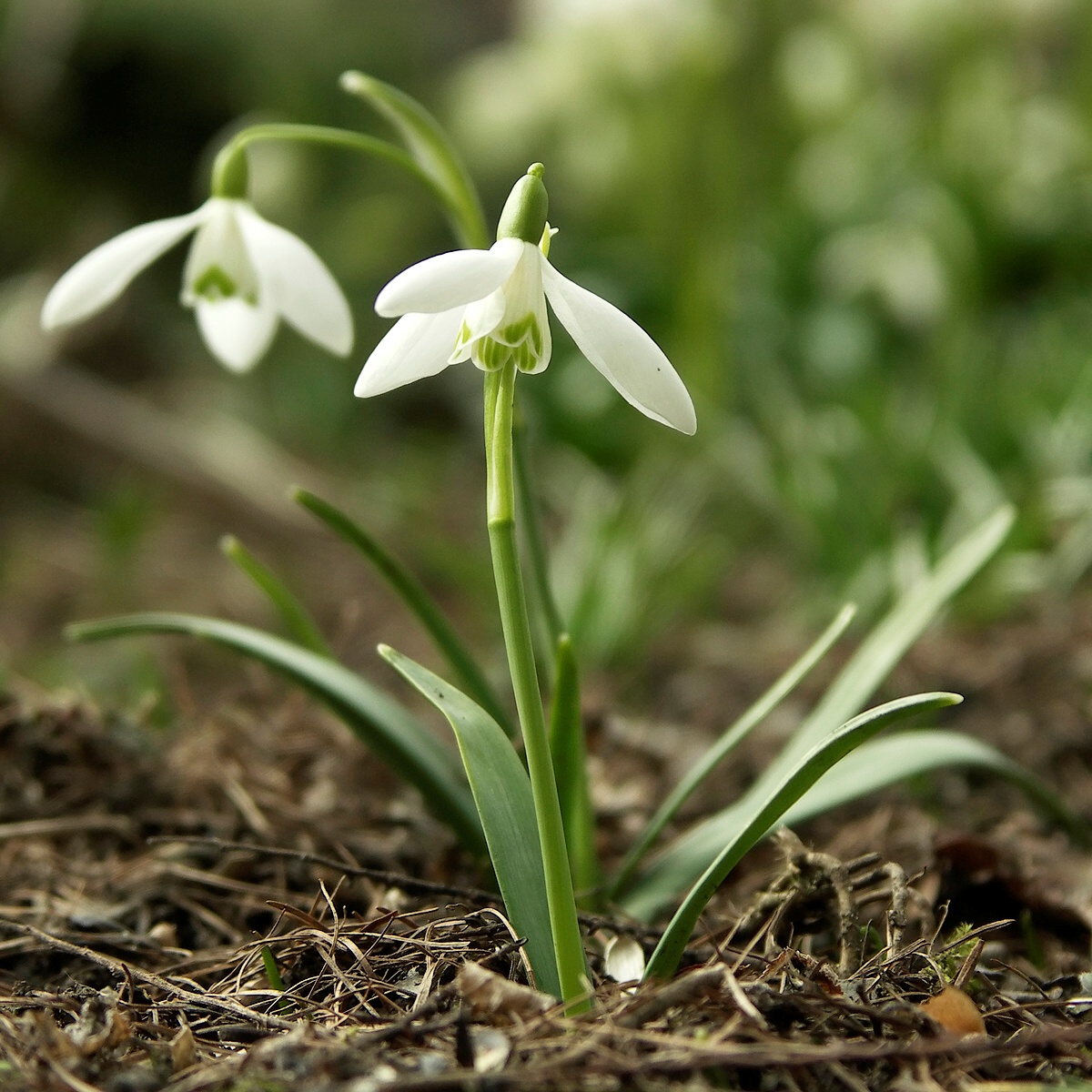 SnowdropWhite bell-shaped flowers that bloom at the end of winter
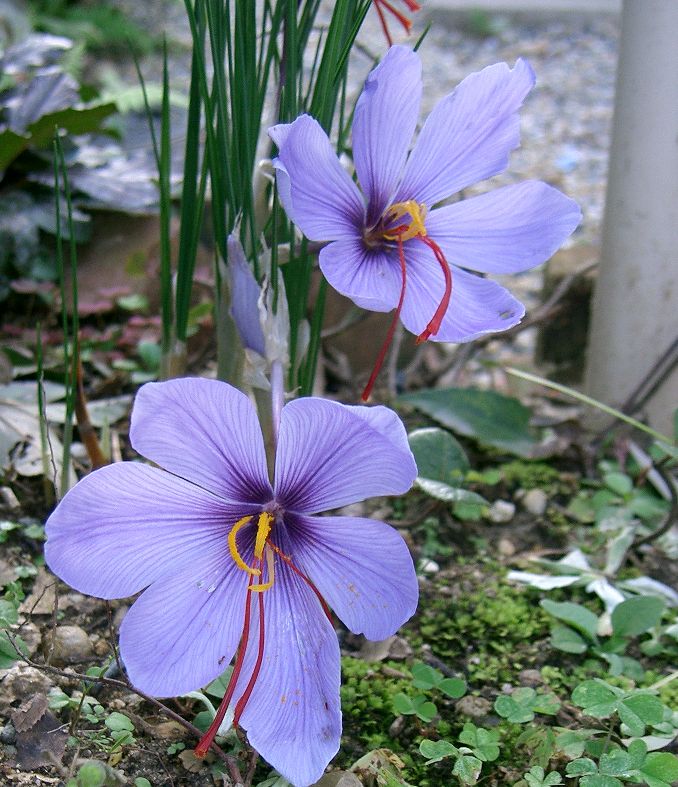 Saffron crocusThe purple autumn flower whose red stigmas yield the spice saffron
 SaffronThe crimson threads of an autumn crocus, dried for colour, flavour and scent
Questions people ask about Dutch garden
What is a Dutch garden?
A Dutch garden is a formal style of garden from the Netherlands, known for its geometric layout, enclosed beds, clipped hedges, and water features like canals or ponds. It often features dense plantings of bulbs such as tulips and crocuses.
Where did the Dutch garden style originate?
The style began in the Netherlands, shaped by small urban plots and a wide variety of plants. It spread abroad in the 17th century, especially to England, where it influenced garden design after William III became king.
What flowers are common in Dutch gardens?
Tulips, crocuses, narcissus, anemones, calla lilies, roses, and snowdrops are commonly planted in Dutch gardens, especially in dense, colourful beds.
What features are typical of a Dutch garden?
Dutch gardens are known for their geometric and symmetrical layouts, enclosed spaces with clipped hedges or walls, water features like canals, and dense plantings of bulbs and flowers.
What does the Dutch garden symbolise?
The Dutch garden has served as a patriotic symbol of Dutch independence and identity, often depicted in art as the 'Garden of Holland' defended by national symbols.
Good reading and sources
The facts on this page come from the Wikipedia article "Dutch garden", written by its contributors and used under the CC BY-SA 4.0 licence, and from its Wikidata record (CC0). Phool rewrote the text in its own words, with AI assistance, and compares every page with the article to make sure no passage is copied. It may be reused under the same CC BY-SA 4.0 licence with a link back.
It may contain mistakes. If something is wrong, tell us. Last refreshed 2026-10-03.
More of the same kind
 Decoration
Korean garden
A natural garden style shaped by rocks, ponds, and harmony with the land
🇰🇷 South Korea and 5 more · Garden style
Decoration
Korean garden
A natural garden style shaped by rocks, ponds, and harmony with the land
🇰🇷 South Korea and 5 more · Garden style
 Decoration
Islamic garden
A walled garden of water, shade and scent inspired by paradise
🇮🇷 Iran and 5 more · Garden style
Decoration
Islamic garden
A walled garden of water, shade and scent inspired by paradise
🇮🇷 Iran and 5 more · Garden style
 Decoration
Mughal garden
A formal garden style of pools, canals, and symmetry from the Mughal era
🇮🇳 India and 3 more · Garden style
Decoration
Mughal garden
A formal garden style of pools, canals, and symmetry from the Mughal era
🇮🇳 India and 3 more · Garden style
 Decoration
Bonsai盆栽
The Japanese art of shaping miniature trees in shallow pots
🇯🇵 Japan and 7 more · Art or design
Decoration
Bonsai盆栽
The Japanese art of shaping miniature trees in shallow pots
🇯🇵 Japan and 7 more · Art or design
More from the Netherlands
All the flowers of the Netherlands Decoration
Allotment garden
A rented plot for growing food and flowers, often with a small shed or hut
🇩🇪 Germany and 6 more · Garden style
Decoration
Allotment garden
A rented plot for growing food and flowers, often with a small shed or hut
🇩🇪 Germany and 6 more · Garden style
 Decoration
Orangery
A grand glasshouse where orange trees wait out the winter
🇮🇹 Italy and 4 more · Garden style
Decoration
Orangery
A grand glasshouse where orange trees wait out the winter
🇮🇹 Italy and 4 more · Garden style
 Decoration
French formal gardenjardin à la française
A garden style shaped by symmetry, order, and geometric design
🇫🇷 France and 5 more · Garden style
Decoration
French formal gardenjardin à la française
A garden style shaped by symmetry, order, and geometric design
🇫🇷 France and 5 more · Garden style
 Decoration
Wreath
A ring-shaped decoration made from flowers, leaves, or other materials
🇬🇷 Greece and 7 more · Arrangement
Decoration
Wreath
A ring-shaped decoration made from flowers, leaves, or other materials
🇬🇷 Greece and 7 more · Arrangement