
Saffron
Crocus sativus
In its own language: زعفران
The crimson threads of an autumn crocus, dried for colour, flavour and scent
Saffron is the dried crimson stigma of Crocus sativus, an autumn-flowering crocus with lilac to mauve flowers and a honey-like scent. The plant is unknown in the wild, and its threads have been grown and traded across Eurasia for over 3,500 years as a seasoning, a golden dye and a perfume.
- About 150,000 crocus flowers are needed for one kilogram of saffron threads.
- Each freshly picked flower yields roughly 7 mg of dried saffron.
- Crocus sativus is sterile and cannot produce viable seed on its own.
- Premium saffron regularly sells for more than US$5,000 per kilogram.
- The flowers are lilac to mauve and smell sweet, like honey.
What does Saffron look like?
Saffron comes from Crocus sativus, a small autumn crocus grown from a corm, which is an underground bulb-like organ that stores starch. Plants stand 20 to 30 cm tall and carry up to four flowers each, opening in a light lilac or a darker, striated mauve. The blooms have a sweet, honey-like scent. Inside the flower a three-pronged style, 25 to 30 mm long, ends in a vivid crimson stigma. Those red tips, with a little of the yellow style, are what gets picked and dried. Narrow, blade-like green leaves either follow the flowers or appear alongside them.
Where does Saffron come from?
The saffron crocus is unknown as a wild plant. It probably descends from Crocus cartwrightianus, a wild autumn crocus of mainland Greece, Euboea, Crete, Skyros and the Cyclades; C. thomasii and C. pallasii have also been put forward as ancestors. Suggested homelands include Iran, Mesopotamia, Kashmir and Greece, with the origin given as Iran, in the Khorasan region, from wild relatives in the eastern Mediterranean. People carried the sterile clone across much of Eurasia over more than 3,500 years. The English name travelled through French and Latin from the Persian zafarān.
When and how Saffron blooms
Planting is usually in June in the northern hemisphere, with corms set 7 to 15 cm deep. The crocus wants full sun, a slope that faces the light, and loose, well-drained clay-calcareous soil with plenty of organic matter; it can also take frost. After a dormant summer it sends up leaves and buds in early autumn, then flowers in October. Every plant in a field opens within one or two weeks. Flowers wilt quickly after dawn, so picking is fast work. Corms are lifted, divided and replanted, since no viable seed is set.


How Saffron is used
The dried threads season and colour food. In Persian cooking they go into chelow and tahdig, into stews such as khoresh-e fesenjan, and into sweets including sholeh-zard and bastani sonnati. Saffron has also been used to dye cloth, to make perfume, in traditional medicine and in religious rituals. Because the pigment crocin dissolves in water, it colours rice and other non-fatty dishes well. All of it is hand work: about 150,000 flowers and some 40 hours of labour yield a kilogram of threads.
Kinds of Saffron
The cultivated crocus is a single clone, a sterile triploid with 24 chromosomes, so it varies very little. Its wild relatives vary more: Crocus cartwrightianus, also called wild saffron, grows on the Greek mainland and islands, and C. thomasii and C. pallasii are other possible ancestors. Growing practice differs by country as well. Italian growers plant 15 cm deep in close rows to raise thread yield, while Greek, Moroccan and Spanish growers use their own depths and spacings.
What Saffron means
Saffron has been traded for over 3,500 years and is recorded in a 7th-century BC Assyrian botanical treatise. Quality is graded under the ISO 3632 standard, which measures crocin for colour, picrocrocin for taste and safranal for aroma, and darker red stigmas fetch more. Premium saffron regularly sells above US$5,000 a kilogram because the harvest is hand-picked. The older Persian name zarparān, 'gold-strung', refers to the golden filaments or to the golden hue the spice gives.
Where Saffron is used and seen
 TulipiereA pottery vessel with spouts for growing tulip bulbs indoors
 PerfumeA scented liquid made from oils, flowers, and aromatics for body and space
 Dutch gardenA formal, geometric flower garden style from the Netherlands
 Incense in IndiaFragrant sticks and powders used in worship, healing and daily life
Traditions that use it
Where to see Saffron

Questions people ask about Saffron
Where does the saffron crocus come from?
It is unknown in the wild. Suggested origins include Iran, Mesopotamia, Kashmir and Greece, and it probably descends from Crocus cartwrightianus, a wild autumn crocus of mainland Greece, Euboea, Crete, Skyros and the Cyclades. People carried the sterile clone across much of Eurasia.
Is saffron a flower or a spice?
Both, in a way. Saffron is the spice: the dried crimson stigmas and styles picked from the autumn flower of Crocus sativus, the saffron crocus. The crocus itself is a small perennial grown from a corm, and the threads are used mainly as a seasoning and colourant.
Why is saffron so expensive?
Everything is picked by hand and the yield is tiny. One flower gives about 7 mg of dried saffron, and roughly 150,000 flowers are needed for a kilogram of threads. Forty hours of labour go into picking 150,000 flowers. Premium saffron often sells for more than US$5,000 a kilogram.
What is saffron used for?
It flavours and colours food, especially Persian dishes such as chelow, tahdig, khoresh-e fesenjan and the sweets sholeh-zard and bastani sonnati. It has also been used to dye textiles, in perfumery, in traditional medicine and in religious rituals. Its yellow colour comes from the pigment crocin.
What does the flower look like?
Plants reach 20 to 30 cm and bear up to four flowers in October, in shades from pale lilac to darker striated mauve. Each has a sweet, honey-like scent and a three-pronged style 25 to 30 mm long, ending in a vivid crimson stigma. Leaves are narrow and blade-like.
Good reading and sources
- Encyclopaedia BritannicaArticle
- BBC News | South AsiaBBC, Article
- Meet the saffron producer:The Guardian, Article
- Saffron spice returns to Essex after 200 yearsBBC, Article
The facts on this page come from the Wikipedia article "Saffron", written by its contributors and used under the CC BY-SA 4.0 licence, and from its Wikidata record (CC0). Phool rewrote the text in its own words, with AI assistance, and compares every page with the article to make sure no passage is copied. It may be reused under the same CC BY-SA 4.0 licence with a link back.
It may contain mistakes. It is not medical or foraging advice: many flowers are poisonous, and traditional uses are reported, not recommended. If something is wrong, tell us. Last refreshed 2026-10-03.
More of the same kind
 Narcissus
Spring-flowering bulbs with trumpet-shaped blooms in white, yellow, and orange
🇬🇧 United Kingdom and 7 more · Wildflower
Narcissus
Spring-flowering bulbs with trumpet-shaped blooms in white, yellow, and orange
🇬🇧 United Kingdom and 7 more · Wildflower
 Dahlia
A bushy perennial with tuberous roots and bright, star-shaped blooms
🇲🇽 Mexico and 1 more · Garden flower
Dahlia
A bushy perennial with tuberous roots and bright, star-shaped blooms
🇲🇽 Mexico and 1 more · Garden flower
 Gladiolus
Tall, showy flower spikes grown from corms, known as sword lilies
Gladiolus · Garden flower
Gladiolus
Tall, showy flower spikes grown from corms, known as sword lilies
Gladiolus · Garden flower
 Wild GarlicAllium ursinum
A wild woodland plant with star-shaped white flowers and edible leaves
🇮🇪 Ireland · Wildflower
Wild GarlicAllium ursinum
A wild woodland plant with star-shaped white flowers and edible leaves
🇮🇪 Ireland · Wildflower
More from Iran
All the flowers of Iran Common ValerianValeriana officinalis
Tall, sweet-scented wildflower with pale pink blooms and a long history in herbal lore
🇮🇸 Iceland and 8 more · Wildflower
Common ValerianValeriana officinalis
Tall, sweet-scented wildflower with pale pink blooms and a long history in herbal lore
🇮🇸 Iceland and 8 more · Wildflower
 Crocus
Small corm-grown flowers in white, yellow, orange or purple
🇹🇷 Turkey and 7 more · Wildflower
Crocus
Small corm-grown flowers in white, yellow, orange or purple
🇹🇷 Turkey and 7 more · Wildflower
 HyacinthHyacinthus
A spring-blooming bulb with fragrant, colourful flower spikes
🇹🇷 Turkey and 7 more · Bulb flower
HyacinthHyacinthus
A spring-blooming bulb with fragrant, colourful flower spikes
🇹🇷 Turkey and 7 more · Bulb flower
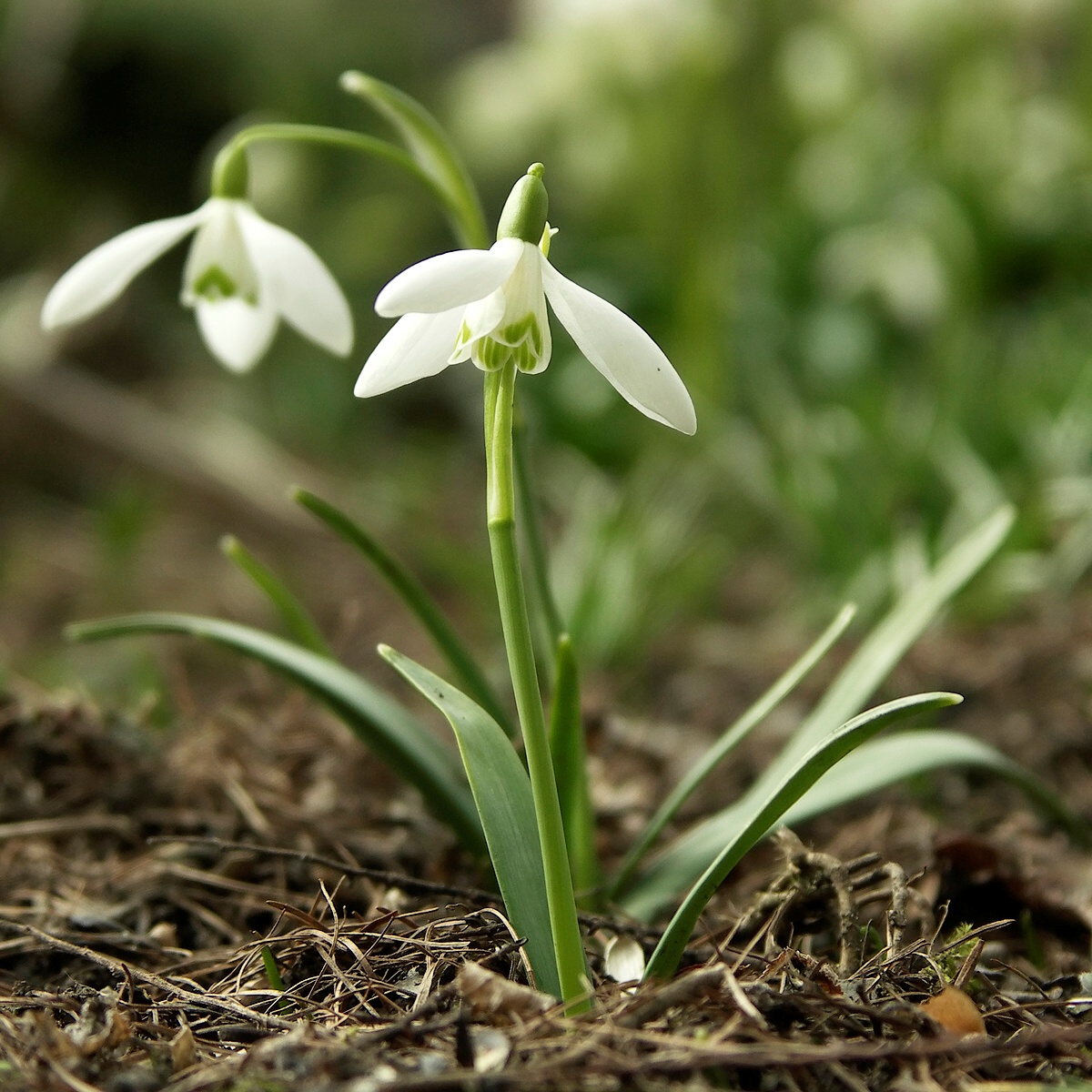 SnowdropGalanthus
White bell-shaped flowers that bloom at the end of winter
🇹🇷 Turkey and 7 more · Wildflower
SnowdropGalanthus
White bell-shaped flowers that bloom at the end of winter
🇹🇷 Turkey and 7 more · Wildflower