
Jasmine tea
In its own language: 茉莉花茶
Green or other tea leaves scented with jasmine flowers, prized in China and Vietnam
Jasmine tea is made by infusing tea leaves, most often green tea, with the scent of jasmine blossoms. This fragrant tea is a specialty of China and Vietnam, where traditional methods use fresh flowers layered with tea leaves to create a gentle, sweet aroma. It is served as a welcoming drink and enjoyed daily across Asia.
- Jasmine tea is most famous in China and Vietnam
- Fuzhou in Fujian is renowned for its jasmine tea production
- Traditional scenting uses fresh jasmine flowers layered with tea leaves
- Jasmine tea is served as a welcoming drink in southern China
- Vietnamese jasmine tea is known for its natural, hand-scented methods
What is Jasmine tea?
Jasmine tea is a blend where tea leaves, usually green but sometimes white, oolong, or black, are scented with fresh jasmine flowers. The result is a tea with a gentle floral aroma and a sweet, lingering taste. The scenting process can be repeated several times for a more layered fragrance. The dry leaves may show traces of jasmine petals, and the brewed tea is typically pale golden-green.
Where does Jasmine tea come from?
Jasmine tea has deep roots in China, especially in Fujian province, and is also a tradition in Vietnam and Japan. The custom of scenting tea with jasmine began centuries ago, with the flower itself introduced to China in ancient times. Fuzhou became known for perfecting the scenting process, and Vietnamese regions like Thái Nguyên developed their own hand-crafted methods. The tea gained wider popularity during periods of increased trade.
How Jasmine tea is made
To make jasmine tea, tea leaves are harvested in spring and kept until jasmine blooms in late summer. Jasmine flowers are picked while still closed and combined with tea leaves at night when the flowers open and release their scent. The tea and flowers are layered or mixed and left for several hours so the leaves absorb the fragrance. This process may be repeated several times for higher grades. After scenting, the flowers are removed and the tea is dried.


When and where Jasmine tea is used
Jasmine tea is commonly served to guests in southern China and is a daily beverage in many Asian homes. In Fuzhou, it is the local specialty. The tea is also enjoyed at festivals and as a gift. Its floral aroma is valued for hospitality and celebration. In Buddhist art, jasmine flowers are used as decoration, and the fragrance is associated with purity and heaven.
Forms of Jasmine tea
Jasmine tea comes in several styles, depending on the tea base. Green tea is the most common, but oolong and white tea bases are also used. Some teas are rolled into pearls that unfurl in hot water. There are also caffeine-free versions made only from dried jasmine flowers. Vietnamese jasmine teas are known for using local green teas and traditional scenting techniques.
What Jasmine tea means
Jasmine tea is a symbol of welcome and refinement in Chinese culture. Fuzhou is famous for its jasmine tea and has been recognized internationally for its tea heritage. The tea is linked to Buddhist symbolism and is a part of daily life and special occasions. In Vietnam, traditional hand-scented jasmine tea is a point of pride and cultural identity.
The flowers of Jasmine tea

Questions people ask about Jasmine tea
Where does jasmine tea come from?
Jasmine tea has its strongest traditions in China, especially Fujian province, and in Vietnam. It is also made in Japan, particularly in Okinawa.
How is jasmine tea made?
Tea leaves are layered or mixed with fresh jasmine flowers, usually at night when the flowers open and release their scent. This process may be repeated several times for higher quality.
What does jasmine tea taste and smell like?
Naturally scented jasmine tea has a gentle, sweet floral aroma and a clean, lingering taste. The fragrance is subtle and not overpowering.
Is jasmine tea used in any special customs?
In southern China, jasmine tea is often served to guests as a sign of welcome. It is also given as a gift and enjoyed during festivals.
What does jasmine tea symbolise?
Jasmine tea is linked to hospitality and purity in Chinese culture, and its fragrance is associated with heaven in Buddhist tradition.
Good reading and sources
The facts on this page come from the Wikipedia article "Jasmine tea", written by its contributors and used under the CC BY-SA 4.0 licence, and from its Wikidata record (CC0). Phool rewrote the text in its own words, with AI assistance, and compares every page with the article to make sure no passage is copied. It may be reused under the same CC BY-SA 4.0 licence with a link back.
It may contain mistakes. If something is wrong, tell us. Last refreshed 2026-10-03.
More of the same kind
 Decoration
Corn dolly
Straw figures shaped for harvest customs across Europe
🇮🇪 Ireland and 3 more · Flower craft
Decoration
Corn dolly
Straw figures shaped for harvest customs across Europe
🇮🇪 Ireland and 3 more · Flower craft
 Decoration
Paisleyبته
A curved teardrop motif from Iran and India, now used worldwide on textiles
🇮🇷 Iran and 8 more · Art or design
Decoration
Paisleyبته
A curved teardrop motif from Iran and India, now used worldwide on textiles
🇮🇷 Iran and 8 more · Art or design
 Decoration
Butaبوته
A curved floral motif found in Persian, Indian, and Central Asian art and textiles
🇮🇷 Iran and 5 more · Art or design
Decoration
Butaبوته
A curved floral motif found in Persian, Indian, and Central Asian art and textiles
🇮🇷 Iran and 5 more · Art or design
 Decoration
Vase
An open container for holding and displaying cut flowers
Arrangement
Decoration
Vase
An open container for holding and displaying cut flowers
Arrangement
More from China
All the flowers of China Decoration
Bonsai盆栽
The Japanese art of shaping miniature trees in shallow pots
🇯🇵 Japan and 7 more · Art or design
Decoration
Bonsai盆栽
The Japanese art of shaping miniature trees in shallow pots
🇯🇵 Japan and 7 more · Art or design
 Decoration
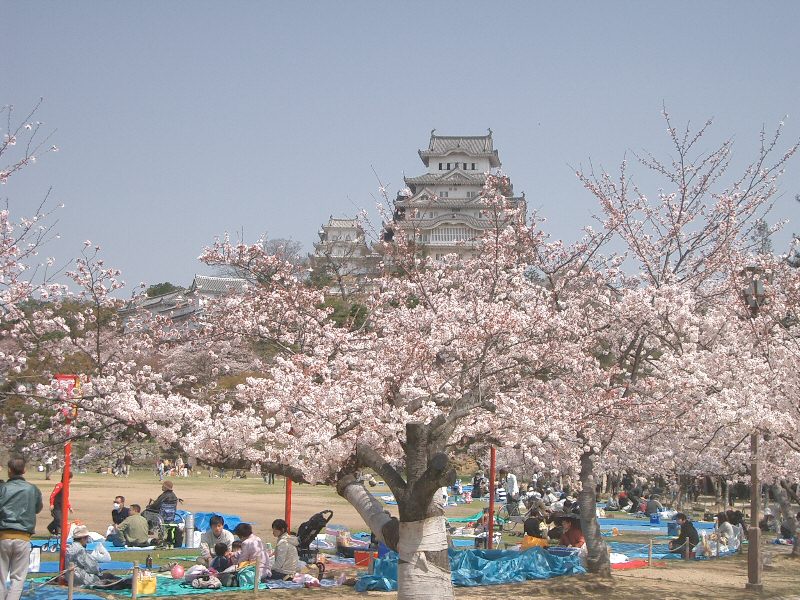
Hanami花見
The Japanese tradition of gathering to enjoy cherry blossoms in spring
🇯🇵 Japan and 7 more · Custom, Jan to May
Decoration
Hanami花見
The Japanese tradition of gathering to enjoy cherry blossoms in spring
🇯🇵 Japan and 7 more · Custom, Jan to May
 Decoration
Bouquet
A creative arrangement of flowers, given or displayed for many occasions
🇨🇳 China and 1 more · Arrangement
Decoration
Bouquet
A creative arrangement of flowers, given or displayed for many occasions
🇨🇳 China and 1 more · Arrangement
 Decoration
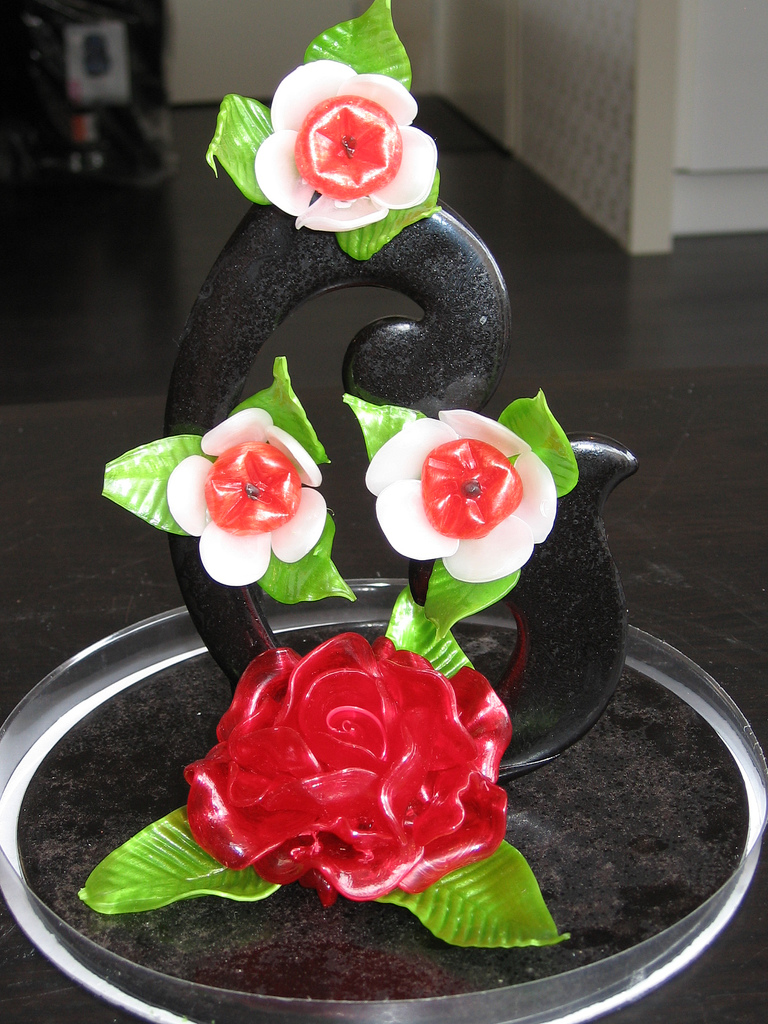
Sugar sculpture
Artistic centerpieces and figures made entirely from cooked sugar
🇨🇳 China and 1 more · Flower craft
Decoration
Sugar sculpture
Artistic centerpieces and figures made entirely from cooked sugar
🇨🇳 China and 1 more · Flower craft