
Rinpa school
In its own language: 琳派
A Japanese art style known for bold, decorative paintings of nature
Rinpa is a Japanese painting tradition that began in 17th-century Kyoto. It is recognized for its use of gold backgrounds, vibrant colors, and elegant depictions of plants, flowers, and birds. Rinpa artists created folding screens, fans, lacquerware, and textiles, shaping Japanese decorative arts for centuries.
- Rinpa began in 17th-century Kyoto, Japan
- Famous for gold backgrounds and nature themes
- Used for screens, fans, lacquerware, and textiles
- Revived in Edo (Tokyo) in the 18th and 19th centuries
What is Rinpa school?
Rinpa is a decorative art style from Japan, best known for its paintings on folding screens, fans, and sliding doors. The works often show simple scenes from nature, such as flowers, grasses, and birds, set against backgrounds of gold leaf. The style favors bold outlines, strong color contrasts, and careful design. Artists also used the style for lacquerware, ceramics, and kimono fabrics. The overall effect is elegant and striking, with a focus on beauty and refinement.
Where does Rinpa school come from?
The Rinpa style began in Kyoto in the early 1600s, shaped by artists working with support from wealthy merchants and aristocrats. Its founders were part of a community that valued classical Japanese traditions. The name 'Rinpa' was introduced later, in the Meiji period, by combining part of a key artist’s name with the word for 'school.' Over time, the style was further developed and revived by later generations, spreading from Kyoto to Edo (now Tokyo) and other cities.
How Rinpa school is made
Rinpa works are created using a variety of formats, including painted screens, fans, scrolls, and books. Artists often start with a background of gold or silver leaf, then paint natural subjects with bold outlines and vibrant colors. The style is also seen in lacquerware and pottery, where painted designs are added to ceramics. Textile designs for kimono sometimes use Rinpa motifs, bringing the style into everyday life.

When and where Rinpa school is used
Rinpa paintings and crafts were made for the homes of the wealthy and for temples. Sliding doors and screens decorated in this style were common in noble houses. Over the centuries, Rinpa art has been displayed in museums and featured in exhibitions in Japan and abroad. Today, its patterns and motifs still appear in modern design and crafts.
Forms of Rinpa school
Rinpa has seen several revivals and reinterpretations. In the 18th and 19th centuries, artists in Edo renewed the style, publishing books that collected famous works. The movement influenced other Japanese art schools, and its techniques were adapted for new media, including woodblock prints and ceramics. Each generation of artists added their own touch, keeping the tradition alive.
What Rinpa school means
Rinpa is closely linked to Japanese cultural identity, especially the appreciation of nature’s beauty. Its motifs often draw from classical poetry and literature. The style has influenced many areas of Japanese art and design, and its works are considered treasures of Japanese heritage. Major museums in Japan and around the world hold Rinpa exhibitions, celebrating its lasting impact.
The flowers of Rinpa school
 IrisA large group of perennial flowers with striking, six-lobed blooms
 Prunus mumeThe fragrant plum blossom tree that blooms in winter across East AsiaIris damascenaA rare white and purple iris found only on a Syrian mountain
 Coastal IrisA dark-flowered iris native to Israel’s coastal plainsGerman irisA tall, rhizome-rooted iris with showy bearded blooms in many colours
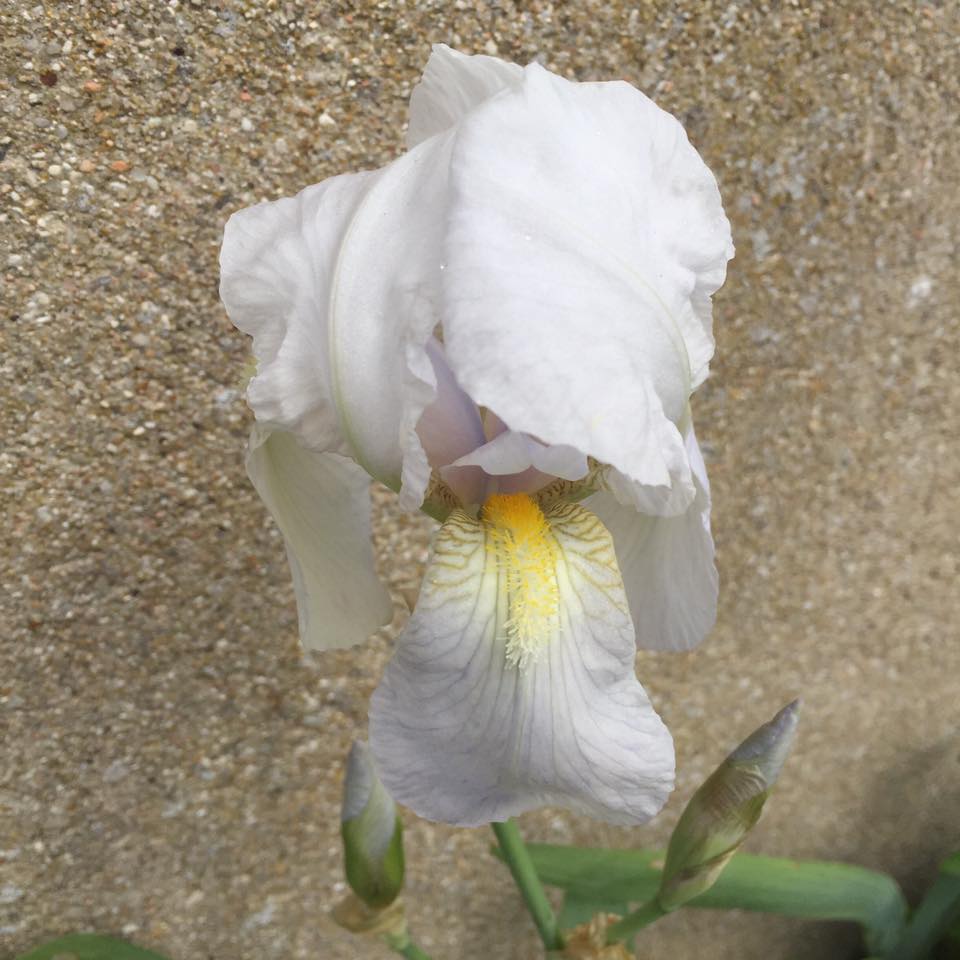 Iris florentinaA white, violet-scented iris grown for orris root and as a grave flower
 Giant blue irisTall blue-flowered iris native to the wetlands of the southern United States
 Iris spuriaA tall, slender iris with lilac-blue flowers and grass-like leaves
Questions people ask about Rinpa school
Where did the Rinpa school originate?
Rinpa started in Kyoto, Japan, in the early 1600s, supported by wealthy merchants and aristocrats who valued classical Japanese traditions.
What subjects are common in Rinpa art?
Rinpa art often features natural subjects like flowers, grasses, and birds, painted with bold outlines and set against gold or silver backgrounds.
How is Rinpa art used today?
Rinpa designs continue to inspire modern crafts, textiles, and art. Museums in Japan and abroad regularly hold exhibitions of Rinpa works.
What materials are typical in Rinpa works?
Artists use gold and silver leaf for backgrounds, along with vibrant pigments for painting. Rinpa motifs also appear on ceramics, lacquerware, and kimono fabrics.
What does Rinpa symbolize in Japanese culture?
Rinpa represents a refined appreciation of nature and classical beauty, and its artworks are seen as important examples of Japanese decorative art.
Good reading and sources
The facts on this page come from the Wikipedia article "Rinpa school", written by its contributors and used under the CC BY-SA 4.0 licence, and from its Wikidata record (CC0). Phool rewrote the text in its own words, with AI assistance, and compares every page with the article to make sure no passage is copied. It may be reused under the same CC BY-SA 4.0 licence with a link back.
It may contain mistakes. If something is wrong, tell us. Last refreshed 2026-10-03.
More of the same kind
 Decoration
Rangoliरंगोली
Indian floor art made with coloured powders, rice, or petals for festivals and daily welcome
🇮🇳 India and 1 more · Carpet or floor pattern
Decoration
Rangoliरंगोली
Indian floor art made with coloured powders, rice, or petals for festivals and daily welcome
🇮🇳 India and 1 more · Carpet or floor pattern
 Decoration
Ashtamangalaअष्टमङ्गल
A sacred set of eight auspicious symbols in Indian religions
🇮🇳 India and 1 more · Art or design
Decoration
Ashtamangalaअष्टमङ्गल
A sacred set of eight auspicious symbols in Indian religions
🇮🇳 India and 1 more · Art or design
 Decoration
Paisleyبته
A curved teardrop motif from Iran and India, now used worldwide on textiles
🇮🇷 Iran and 8 more · Art or design
Decoration
Paisleyبته
A curved teardrop motif from Iran and India, now used worldwide on textiles
🇮🇷 Iran and 8 more · Art or design
 Decoration
Nageirebana抛入花
A free-form ikebana style using tall vases and no flower holders
Arrangement
Decoration
Nageirebana抛入花
A free-form ikebana style using tall vases and no flower holders
Arrangement
More from Japan
All the flowers of Japan Decoration
Bonsai盆栽
The Japanese art of shaping miniature trees in shallow pots
🇯🇵 Japan and 7 more · Art or design
Decoration
Bonsai盆栽
The Japanese art of shaping miniature trees in shallow pots
🇯🇵 Japan and 7 more · Art or design
 Decoration
Tokonoma床の間
A Japanese alcove for displaying scrolls and flower arrangements
🇯🇵 Japan · Arrangement
Decoration
Tokonoma床の間
A Japanese alcove for displaying scrolls and flower arrangements
🇯🇵 Japan · Arrangement
 Decoration
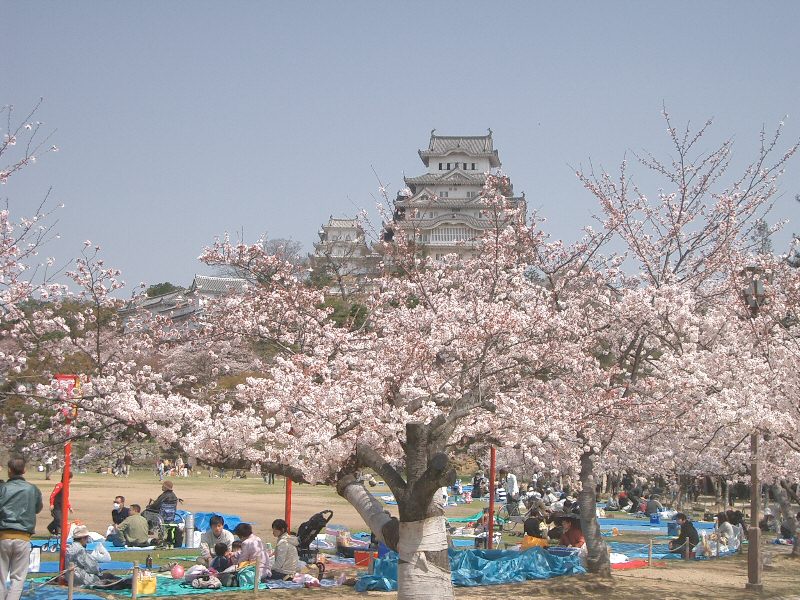
Hanami花見
The Japanese tradition of gathering to enjoy cherry blossoms in spring
🇯🇵 Japan and 7 more · Custom, Jan to May
Decoration
Hanami花見
The Japanese tradition of gathering to enjoy cherry blossoms in spring
🇯🇵 Japan and 7 more · Custom, Jan to May
 Decoration
Sōgetsu草月流
A modern school of Japanese ikebana open to all materials and styles
🇯🇵 Japan · Arrangement
Decoration
Sōgetsu草月流
A modern school of Japanese ikebana open to all materials and styles
🇯🇵 Japan · Arrangement