
Garden cosmos
Cosmos bipinnatus, family Asteraceae
A tall annual with feathery leaves and pink, purple or white daisy-like flowers
Garden cosmos is a tall, airy annual with finely cut leaves and large, daisy-like flowers in pink, purple, or white. Native to Mexico and Central America, it is now grown widely in temperate gardens and naturalized in many parts of the world. Its flowers attract butterflies and birds, making it popular in pollinator gardens.
- Native to Mexico and Central America, now naturalized worldwide
- Flowers in pink, purple, or white, 5–7 cm across
- Attracts butterflies and birds, including monarchs
- Grown as an annual in temperate gardens
- Many cultivars available for garden and cut flower use
What does Garden cosmos look like?
Garden cosmos is an upright annual plant that can reach between 60 cm and 2 m tall, sometimes even taller. Its leaves are finely divided into threadlike segments, giving the plant a light, feathery look. The flowers are large and cup-shaped, usually 5–7 cm across, with eight broad petals in shades of pink, purple, or white. The center of each flower is filled with small yellow tubular florets. The stems are slender and can be hairy or smooth.
Where does Garden cosmos come from?
Cosmos bipinnatus is native to Mexico and parts of Central America. Some sources also mention the United States and Canada as part of its native range. It has spread widely as an ornamental plant and has naturalized in many regions, including North and South America, the West Indies, Europe, Australia, and Asia. Its popularity in gardens has led it to become a common escapee, sometimes even a weed, in suitable climates.
When and how Garden cosmos blooms
This plant grows best in full sun and prefers soils with a pH between 6.0 and 8.5. Seeds germinate in about a week at warm temperatures, and flowering begins two to three months later. It is not frost-tolerant and is grown as an annual in temperate climates. The delicate stems can break in heavy rain or wind, but when planted in groups, the plants support each other. It attracts pollinators like butterflies and birds.


How Garden cosmos is used
Garden cosmos is widely grown for its bright, showy flowers in home gardens and as a cut flower. Its blooms are popular in bouquets and pollinator gardens, where they help attract butterflies, especially monarchs, and birds. It is not used in religious or ceremonial contexts according to the sources, but is valued for its decorative and ecological roles.
Kinds of Garden cosmos
Many cultivars of Cosmos bipinnatus exist, offering a range of flower forms and colors. The Apollo and Sonata series are well-known, as are the Double Click series with semi-double or double blooms. 'Sensation' is a tall, widely grown mix, while 'Versailles' was developed for the cut flower trade. Some cultivars have won awards for garden merit.
What Garden cosmos means
Garden cosmos is a favorite in temperate gardens for its ease of growth and ability to attract pollinators. It is sometimes considered invasive where it escapes cultivation. The plant is not tied to any particular symbolism or religious use in the sources, but its cheerful flowers and long bloom season have made it a staple in many gardens worldwide.
Traditions that use it
Where to see Garden cosmos
 🇯🇵 Hitachinaka · Apr to OctNemophila hill at Hitachi Seaside ParkA hill by the Pacific covered in small sky-blue flowers in spring and red kochia bushes in autumn.
 🇹🇭 Chiang Mai · Jan to DecMon Cham in the cool seasonA ridge-top viewpoint in Mae Rim with terraced vegetable and flower plots and cool mountain air.
Questions people ask about Garden cosmos
Where does garden cosmos come from?
Garden cosmos is native to Mexico and Central America. It has spread widely as a garden plant and now grows in many temperate regions around the world, often naturalizing outside its original range.
What does garden cosmos look like?
It is a tall annual plant with finely divided, feathery leaves and large, daisy-like flowers. The blooms are usually pink, purple, or white with a yellow center, and the plant can reach up to 2 meters in height.
How is garden cosmos used?
Garden cosmos is mainly grown for its ornamental value in home gardens and as a cut flower. It is also planted in pollinator gardens to attract butterflies and birds.
What does garden cosmos symbolize?
The sources do not mention any specific symbolism or cultural meaning for garden cosmos.
When does garden cosmos flower?
It flowers in summer and autumn, about 60 to 90 days after germination, depending on climate and growing conditions.
Good reading and sources
- Cosmos bipinnatus 'Apollo Carmine' (Apollo Series)Royal Horticultural Society, Article
- Plants of the World OnlineRoyal Botanic Gardens, Kew, Plant database
- Where it has been recordedGBIF, Plant database
- Sightings and photos by naturalistsiNaturalist, Plant database
- Cosmos bipinnatus on WikipediaEncyclopedia
- More photos on Wikimedia CommonsPhotos
- Wikidata recordOpen data
The facts on this page come from the Wikipedia article "Cosmos bipinnatus", written by its contributors and used under the CC BY-SA 4.0 licence, and from its Wikidata record (CC0). Phool rewrote the text in its own words, with AI assistance, and compares every page with the article to make sure no passage is copied. It may be reused under the same CC BY-SA 4.0 licence with a link back.
It may contain mistakes. It is not medical or foraging advice: many flowers are poisonous, and traditional uses are reported, not recommended. If something is wrong, tell us. Last refreshed 2026-10-03.
Others in the family Asteraceae
The whole family Chrysanthemum菊花
Autumn-blooming flower with thousands of varieties, cherished in East Asia and beyond
🇨🇳 China and 6 more · Wildflower
Chrysanthemum菊花
Autumn-blooming flower with thousands of varieties, cherished in East Asia and beyond
🇨🇳 China and 6 more · Wildflower
 Asteraceae
The vast family of daisies, asters, and sunflowers with star-like flower heads
Asteraceae · Wildflower
Asteraceae
The vast family of daisies, asters, and sunflowers with star-like flower heads
Asteraceae · Wildflower
 DandelionTaraxacum
A yellow-flowered perennial found in fields, lawns, and gardens worldwide
Taraxacum · Wildflower
DandelionTaraxacum
A yellow-flowered perennial found in fields, lawns, and gardens worldwide
Taraxacum · Wildflower
 Dahlia
A bushy perennial with tuberous roots and bright, star-shaped blooms
🇲🇽 Mexico and 1 more · Garden flower
Dahlia
A bushy perennial with tuberous roots and bright, star-shaped blooms
🇲🇽 Mexico and 1 more · Garden flower
More from Mexico
All the flowers of Mexico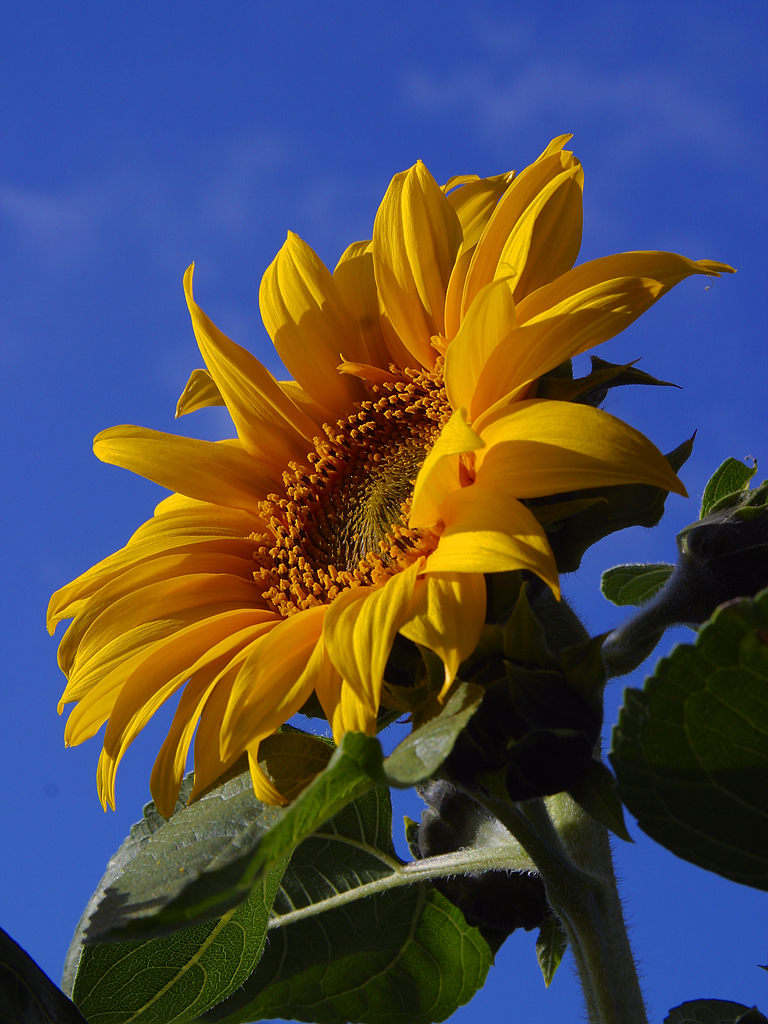 Common sunflowerHelianthus annuus
A tall annual plant grown for its large yellow flower heads and edible seeds
🇨🇦 Canada and 4 more · Wildflower
Common sunflowerHelianthus annuus
A tall annual plant grown for its large yellow flower heads and edible seeds
🇨🇦 Canada and 4 more · Wildflower
 CactusCactaceae
Succulent plants with spines, native to the Americas
🇲🇽 Mexico and 7 more · Wildflower
CactusCactaceae
Succulent plants with spines, native to the Americas
🇲🇽 Mexico and 7 more · Wildflower
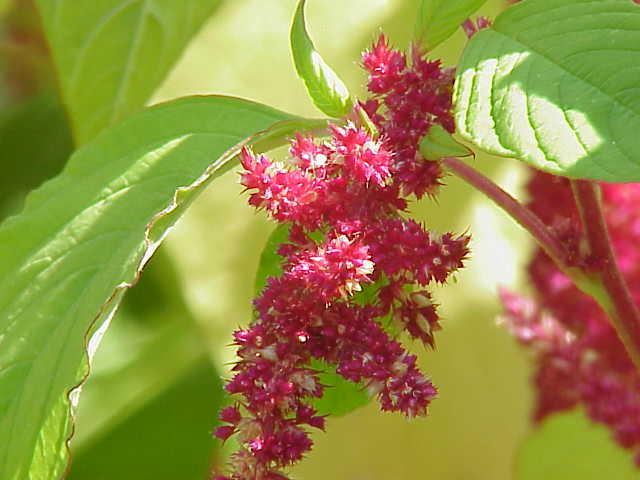 AmaranthAmaranthus
A tall, colourful plant grown for its flowers, leaves and edible seeds
🇲🇽 Mexico and 7 more · Wildflower
AmaranthAmaranthus
A tall, colourful plant grown for its flowers, leaves and edible seeds
🇲🇽 Mexico and 7 more · Wildflower
 HawthornCrataegus
A thorny shrub or tree with white or pink spring flowers and small edible fruits
🇮🇪 Ireland and 7 more · Wildflower
HawthornCrataegus
A thorny shrub or tree with white or pink spring flowers and small edible fruits
🇮🇪 Ireland and 7 more · Wildflower