
Gymnocalycium
Low-growing South American cacti with bright, funnel-shaped flowers
Gymnocalycium is a group of about 70 cactus species native to parts of South America, especially Argentina, Uruguay, Paraguay, Bolivia, and Brazil. These small, rounded cacti are known for their easy flowering and showy blooms, which can be white, pink, yellow, or bright red.
- About 70 species native to South America
- Flowers are white, pink, yellow, or bright red
- Known as chin cactus for the 'chin' below the areoles
- Popular for easy flowering in cultivation
- Found mainly in Argentina, Uruguay, Paraguay, Bolivia, and Brazil
What does Gymnocalycium look like?
Gymnocalycium cacti are low-growing and often form a single rounded stem, though some species create small clusters. The stems are globular to short-cylindrical, with 4 to 15 broad, rounded ribs that may look wavy or have small bumps. Spines vary widely between species. The flowers appear near the top of the plant, opening during the day, and are funnel- or bell-shaped in white, pink, yellow, or bright red. The fruits are oblong or spherical, sometimes dry or fleshy, and seeds can be brown to black and vary in size.
Where does Gymnocalycium come from?
Gymnocalycium is native to South America, mainly found in Argentina, with some species in Uruguay, Paraguay, Bolivia, and Brazil. The name comes from Greek, meaning 'naked calyx', because the flower buds have no hair or spines. The genus is part of the cactus tribe Trichocereeae and is the only genus in the subtribe Gymnocalyciinae as of 2023. These cacti have adapted to a range of habitats across their native range.
When and how Gymnocalycium blooms
These cacti bloom easily in cultivation, producing flowers at or near the apex. The flowers open during the day and are usually bright and showy. Gymnocalycium species are grown for their attractive shapes and reliable flowering. They are typically grown as potted plants in gardens or indoors, thriving in conditions similar to their native habitats.


How Gymnocalycium is used
Gymnocalycium cacti are mainly grown for their decorative value in homes and gardens. Their compact size and colorful flowers make them popular among cactus collectors and those who enjoy succulent plants. There are no traditions or ceremonial uses mentioned in the sources.
Kinds of Gymnocalycium
The genus includes about 70 species, each with its own stem shape, spine arrangement, and flower color. Some species are solitary, while others form small cushions. The flowers and seeds also vary in size and color. The group is popular in cultivation for its diversity and ease of flowering.
What Gymnocalycium means
Gymnocalycium is valued among plant enthusiasts for its bright flowers and manageable size. The 'chin' just below the areoles is a feature that gives the group its common name, chin cactus. The genus does not have special symbolic or religious meaning in the sources, but it is well known in cactus collections.
Questions people ask about Gymnocalycium
Where does Gymnocalycium come from?
Gymnocalycium is native to South America, especially Argentina, and is also found in Uruguay, Paraguay, Bolivia, and Brazil.
What does a Gymnocalycium cactus look like?
It is a low, rounded cactus with broad ribs, sometimes with a wavy or bumpy surface, and variable spines. The flowers are funnel- or bell-shaped and come in white, pink, yellow, or bright red.
Why is it called chin cactus?
The name chin cactus comes from the small 'chin' or bump just below the areoles (the spots where spines grow) on the ribs of the plant.
What is Gymnocalycium used for?
It is mainly grown as a decorative plant for homes and gardens, valued for its bright flowers and compact size.
Does Gymnocalycium have any special meaning or symbolism?
The sources do not mention any special symbolic or religious meaning for Gymnocalycium.
Good reading and sources
- Encyclopaedia BritannicaArticle
- Plants of the World OnlineRoyal Botanic Gardens, Kew, Plant database
- Where it has been recordedGBIF, Plant database
- Sightings and photos by naturalistsiNaturalist, Plant database
- Gymnocalycium on WikipediaEncyclopedia
- More photos on Wikimedia CommonsPhotos
- Wikidata recordOpen data
The facts on this page come from the Wikipedia article "Gymnocalycium", written by its contributors and used under the CC BY-SA 4.0 licence, and from its Wikidata record (CC0). Phool rewrote the text in its own words, with AI assistance, and compares every page with the article to make sure no passage is copied. It may be reused under the same CC BY-SA 4.0 licence with a link back.
It may contain mistakes. It is not medical or foraging advice: many flowers are poisonous, and traditional uses are reported, not recommended. If something is wrong, tell us. Last refreshed 2026-10-03.
Others in the family Cactaceae
The whole family Prickly pearOpuntia
Cactus with flat pads and edible fruit, native to the Americas
🇲🇽 Mexico and 7 more · Wildflower
Indian fig opuntiaOpuntia ficus-indica
A large, spiny cactus grown for its sweet fruit and edible pads
🇲🇽 Mexico and 7 more · Wildflower
Prickly pearOpuntia
Cactus with flat pads and edible fruit, native to the Americas
🇲🇽 Mexico and 7 more · Wildflower
Indian fig opuntiaOpuntia ficus-indica
A large, spiny cactus grown for its sweet fruit and edible pads
🇲🇽 Mexico and 7 more · Wildflower
 Mammillaria
A diverse group of small, rounded cacti with funnel-shaped flowers
🇲🇽 Mexico and 5 more · Wildflower
Mammillaria
A diverse group of small, rounded cacti with funnel-shaped flowers
🇲🇽 Mexico and 5 more · Wildflower
 Disocactus ackermannii
A scarlet-flowered epiphytic cactus from southern Mexico's cloud forests
🇲🇽 Mexico and 1 more · Wildflower
Disocactus ackermannii
A scarlet-flowered epiphytic cactus from southern Mexico's cloud forests
🇲🇽 Mexico and 1 more · Wildflower
More from Argentina
All the flowers of Argentina CactusCactaceae
Succulent plants with spines, native to the Americas
🇲🇽 Mexico and 7 more · Wildflower
CactusCactaceae
Succulent plants with spines, native to the Americas
🇲🇽 Mexico and 7 more · Wildflower
 Eucalyptus
The tall, aromatic trees and shrubs known as gum trees or eucalypts
🇦🇺 Australia and 7 more · Flowering tree
Eucalyptus
The tall, aromatic trees and shrubs known as gum trees or eucalypts
🇦🇺 Australia and 7 more · Flowering tree
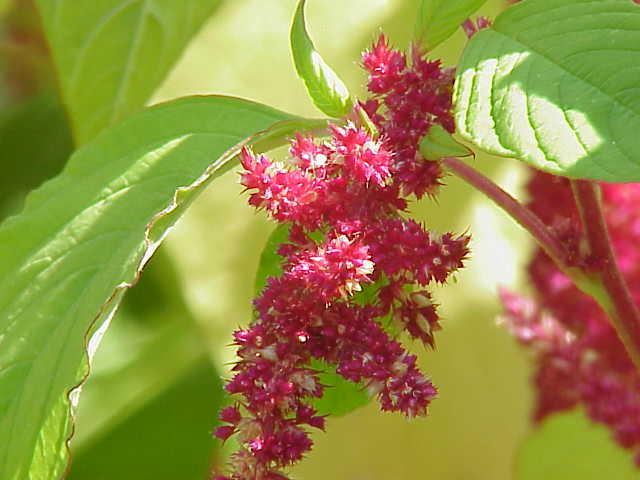 AmaranthAmaranthus
A tall, colourful plant grown for its flowers, leaves and edible seeds
🇲🇽 Mexico and 7 more · Wildflower
AmaranthAmaranthus
A tall, colourful plant grown for its flowers, leaves and edible seeds
🇲🇽 Mexico and 7 more · Wildflower
 Passion fruitPassiflora edulis
A tropical vine grown for its sweet-sour, aromatic fruit
🇧🇷 Brazil and 6 more · Climber
Passion fruitPassiflora edulis
A tropical vine grown for its sweet-sour, aromatic fruit
🇧🇷 Brazil and 6 more · Climber