
Obedient plant
Physostegia virginiana, family Lamiaceae
A pink or white late-summer flower whose stems hold blossoms in place when moved
Obedient plant is a perennial from North America, known for its tall spikes of snapdragon-like pink or white flowers. Its name comes from the way each flower stays in place if pushed to the side. It spreads by rhizomes and is often grown in gardens for late-season color.
- Flowers stay in place when moved, giving the plant its name
- Native from eastern Canada to northern Mexico
- Blooms in late summer and autumn with pink or white flowers
- Spreads by rhizomes and can be aggressive in gardens
- Cultivars include 'Vivid', 'Summer Snow', and 'Variegata'
What does Obedient plant look like?
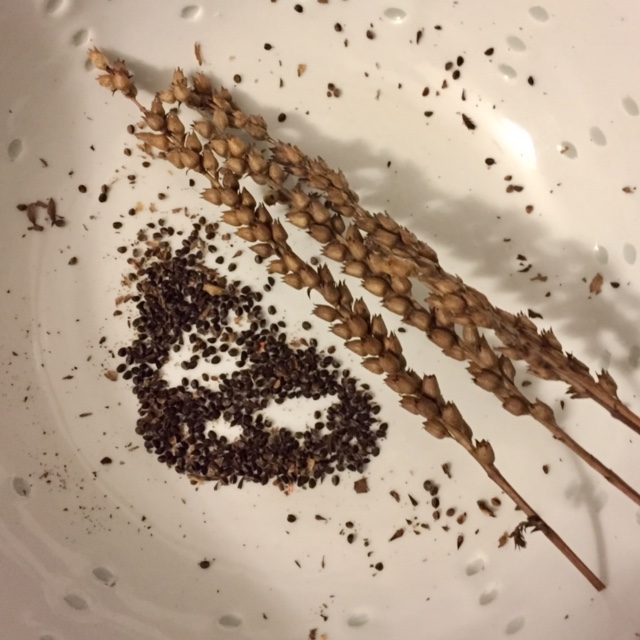
Obedient plant grows in clumps with stiff, square stems reaching 2 to 4 feet tall. Its leaves are long, narrow, and toothed. The flowers are tubular and arranged densely along tall spikes, resembling snapdragons. Most are pink, but some varieties have white, lavender, or bright pink blooms. The flowers can be gently moved and will stay in the new position, which gives the plant its common name. After flowering, it produces vase-shaped fruits with four black seeds.
Where does Obedient plant come from?
This plant is native to North America, from eastern Canada down to northern Mexico. It grows wild in a range of habitats, from streambanks and bottomlands to prairies and glades. The species name 'virginiana' refers to Virginia, where it was first described. The name 'false dragonhead' comes from its resemblance to the dragonhead genus Dracocephalum, which it was once grouped with.
When and how Obedient plant blooms
Obedient plant blooms in late summer and autumn. It prefers fertile soil and can spread widely by underground stems called rhizomes. In gardens, it may need staking if it grows tall, and pruning can help control its tendency to flop over. The plant can be aggressive and may take over a garden bed if not managed.

How Obedient plant is used
Gardeners grow obedient plant for its showy, long-lasting flowers that brighten gardens late in the season. It is valued for cut flowers and for attracting pollinators. Because it spreads easily, it is often used in naturalized plantings or wildflower gardens, but care is needed to keep it from crowding out other plants.
Kinds of Obedient plant
There are two main subspecies: one found further south, with larger flowers and no rhizomes, and one found further north and west, which forms patches from rhizomes and has smaller flowers. Many garden cultivars are hybrids between these types and come in a range of flower colors, including white, pink, and lavender. Notable cultivars include 'Vivid', 'Summer Snow', and 'Variegata'.
What Obedient plant means
Obedient plant is grown mainly for its ornamental value in gardens and is not tied to any particular symbolism or tradition. Some cultivars have received awards for their garden performance. Its unusual ability to hold flowers in place when moved is a curiosity that gives the plant its name.
Questions people ask about Obedient plant
Where does the obedient plant come from?
Obedient plant is native to North America, growing wild from eastern Canada to northern Mexico in habitats like streambanks, prairies, and glades.
Why is it called the obedient plant?
It gets its name because each flower can be pushed to one side and will stay in that position, making it seem 'obedient' to touch.
What does the obedient plant look like?
It has stiff, square stems 2–4 feet tall, lance-shaped toothed leaves, and spikes of tubular flowers that resemble snapdragons. The flowers are usually pink but can also be white or lavender.
How is obedient plant used?
It is mainly grown in gardens for its late-season flowers and is also used in cut flower arrangements. Its spreading habit makes it suitable for naturalized plantings.
Are there different varieties of obedient plant?
Yes, there are two main subspecies and several garden cultivars with flower colors ranging from white to bright pink and lavender.
Good reading and sources
- Encyclopaedia BritannicaArticle
- Physostegia virginiana 'Summer Snow'Royal Horticultural Society, Article
- USDA Plants DatabaseUS Department of Agriculture, Article
- Plants of the World OnlineRoyal Botanic Gardens, Kew, Plant database
- Where it has been recordedGBIF, Plant database
- Sightings and photos by naturalistsiNaturalist, Plant database
- Physostegia virginiana on WikipediaEncyclopedia
- More photos on Wikimedia CommonsPhotos
- Wikidata recordOpen data
The facts on this page come from the Wikipedia article "Physostegia virginiana", written by its contributors and used under the CC BY-SA 4.0 licence, and from its Wikidata record (CC0). Phool rewrote the text in its own words, with AI assistance, and compares every page with the article to make sure no passage is copied. It may be reused under the same CC BY-SA 4.0 licence with a link back.
It may contain mistakes. It is not medical or foraging advice: many flowers are poisonous, and traditional uses are reported, not recommended. If something is wrong, tell us. Last refreshed 2026-10-03.
Others in the family Lamiaceae
The whole family RosemarySalvia rosmarinus
A fragrant evergreen shrub with needle-like leaves and purple, blue, or white flowers
🇪🇸 Spain and 5 more · Flowering shrub
RosemarySalvia rosmarinus
A fragrant evergreen shrub with needle-like leaves and purple, blue, or white flowers
🇪🇸 Spain and 5 more · Flowering shrub
 Salvia
A vast group of aromatic herbs and shrubs known for their flowers and uses
Salvia · Wildflower
Salvia
A vast group of aromatic herbs and shrubs known for their flowers and uses
Salvia · Wildflower
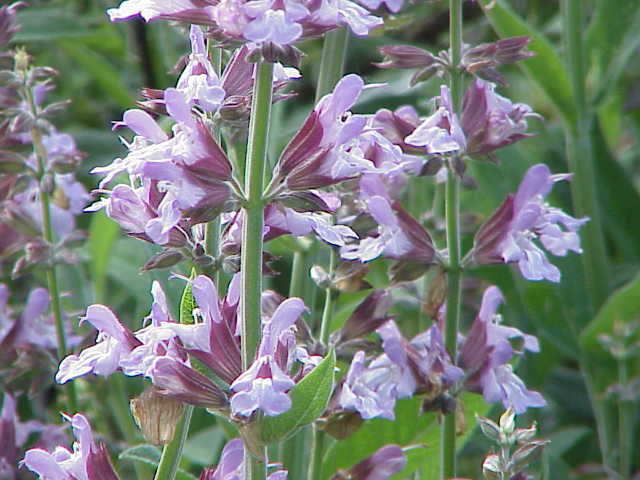 Common sageSalvia officinalis
A Mediterranean herb with grey-green leaves and blue to purple flowers
🇨🇳 China and 1 more · Herb or useful flower
Common sageSalvia officinalis
A Mediterranean herb with grey-green leaves and blue to purple flowers
🇨🇳 China and 1 more · Herb or useful flower
 Holy basilOcimum tenuiflorum
A fragrant herb central to Hindu worship and Southeast Asian cooking
🇲🇲 Myanmar and 6 more · Herb or useful flower
Holy basilOcimum tenuiflorum
A fragrant herb central to Hindu worship and Southeast Asian cooking
🇲🇲 Myanmar and 6 more · Herb or useful flower
More from Canada
All the flowers of Canada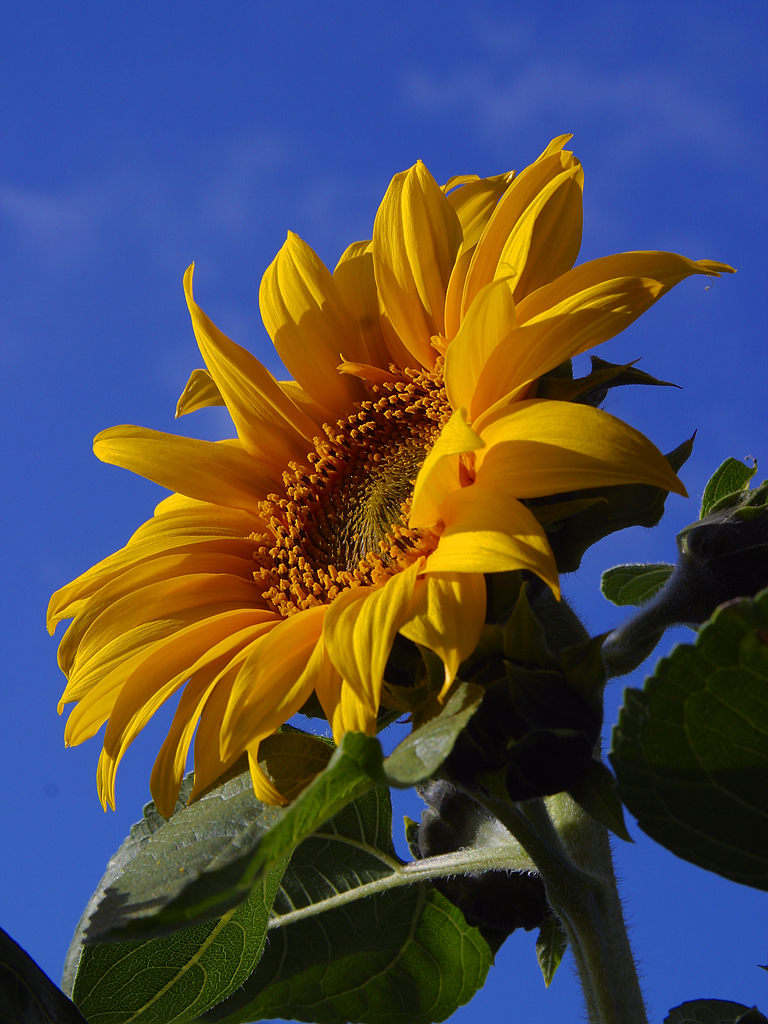 Common sunflowerHelianthus annuus
A tall annual plant grown for its large yellow flower heads and edible seeds
🇨🇦 Canada and 4 more · Wildflower
Common sunflowerHelianthus annuus
A tall annual plant grown for its large yellow flower heads and edible seeds
🇨🇦 Canada and 4 more · Wildflower
 BirchBetula
Slender trees with papery bark found across the northern world
🇨🇳 China and 7 more · Wildflower
BirchBetula
Slender trees with papery bark found across the northern world
🇨🇳 China and 7 more · Wildflower
 CactusCactaceae
Succulent plants with spines, native to the Americas
🇲🇽 Mexico and 7 more · Wildflower
CactusCactaceae
Succulent plants with spines, native to the Americas
🇲🇽 Mexico and 7 more · Wildflower
 TulipTulipa
Spring-blooming bulbs with showy, cup-shaped flowers in many colours
🇳🇱 Netherlands and 7 more · Wildflower
TulipTulipa
Spring-blooming bulbs with showy, cup-shaped flowers in many colours
🇳🇱 Netherlands and 7 more · Wildflower