
Mexican bush sage
Salvia leucantha, family Lamiaceae
A velvety purple-flowered sage from Mexico, grown for its showy garden blooms
Mexican bush sage is a perennial plant from Mexico, valued for its long, arching stems topped with purple or blue flower spikes. It is grown in warm climates for its ornamental display and attracts pollinators like bees, butterflies, and hummingbirds.
- Native to the warm woodlands of central and eastern Mexico
- Produces long, velvety purple or blue flower spikes with white flowers
- Attracts bees, butterflies, and hummingbirds to gardens
- Grows as a bushy perennial over a meter tall and wide
- Contains aromatic oils with several natural compounds
What does Mexican bush sage look like?
Mexican bush sage forms a bushy plant that can reach over a meter in height and nearly two meters across. Its stems stand upright but often curve at the ends, carrying long, fuzzy flower spikes. The leaves are narrow, soft to the touch, and green on top with a pale, hairy underside. The flowers themselves are white, but they appear from colorful purple or blue bracts, giving the plant its striking look.
Where does Mexican bush sage come from?
This sage grows wild in the conifer woodlands of central and eastern Mexico, where the climate is warm and moist. Its Latin name, leucantha, refers to the white color of its flowers. Over time, gardeners in other warm regions have adopted it for its decorative qualities and ability to attract wildlife.
When and how Mexican bush sage blooms
Mexican bush sage thrives in sunny spots with soil that stays moist but drains well. It is not suited to cold or frosty places, so it is mostly grown in areas with mild winters. The plant is low-maintenance and spreads by producing many upright stems. Its flower spikes appear along the arching tips, creating a dramatic effect in borders or beds.

How Mexican bush sage is used
People grow Mexican bush sage mainly for its colorful display in gardens and landscapes. The plant draws in butterflies, bees, and hummingbirds, making it popular in wildlife-friendly gardens. Its essential oil contains several aromatic compounds, and the plant is sometimes used for its fragrance.
Kinds of Mexican bush sage
There are no widely noted varieties or cultivars of Mexican bush sage in the sources, but its popularity as an ornamental has led to its use in many garden designs, especially where a bold, long-lasting flower display is desired.
What Mexican bush sage means
Mexican bush sage has been recognized for its value in gardens, receiving a major horticultural award. Its appeal lies in its vibrant flower spikes and its ability to support pollinators. The plant’s name highlights its white flowers, though the colored bracts are what catch the eye.
Where Mexican bush sage is used and seen


Questions people ask about Mexican bush sage
Where does Mexican bush sage come from?
It grows naturally in the conifer forests of central and eastern Mexico, where the climate is warm and moist.
What does Mexican bush sage look like?
It forms a large, bushy plant with upright stems that arch at the tips, carrying long spikes of velvety purple or blue bracts and white flowers.
How is Mexican bush sage used?
It is mainly grown as a garden plant for its colorful flower spikes and for attracting pollinators such as bees, butterflies, and hummingbirds.
Does Mexican bush sage have a scent?
Its essential oil contains aromatic compounds, but the sources do not describe a strong scent from the flowers themselves.
What does the name Salvia leucantha mean?
The Latin word 'leucantha' means 'white-flowered,' referring to the color of its actual flowers, though the bracts are purple or blue.
Good reading and sources
- Salvia leucanthaRoyal Horticultural Society, Article
- USDA Plants DatabaseUS Department of Agriculture, Article
- Plants of the World OnlineRoyal Botanic Gardens, Kew, Plant database
- Where it has been recordedGBIF, Plant database
- Sightings and photos by naturalistsiNaturalist, Plant database
- Salvia leucantha on WikipediaEncyclopedia
- More photos on Wikimedia CommonsPhotos
- Wikidata recordOpen data
The facts on this page come from the Wikipedia article "Salvia leucantha", written by its contributors and used under the CC BY-SA 4.0 licence, and from its Wikidata record (CC0). Phool rewrote the text in its own words, with AI assistance, and compares every page with the article to make sure no passage is copied. It may be reused under the same CC BY-SA 4.0 licence with a link back.
It may contain mistakes. It is not medical or foraging advice: many flowers are poisonous, and traditional uses are reported, not recommended. If something is wrong, tell us. Last refreshed 2026-10-03.
Others in the family Lamiaceae
The whole family RosemarySalvia rosmarinus
A fragrant evergreen shrub with needle-like leaves and purple, blue, or white flowers
🇪🇸 Spain and 5 more · Flowering shrub
RosemarySalvia rosmarinus
A fragrant evergreen shrub with needle-like leaves and purple, blue, or white flowers
🇪🇸 Spain and 5 more · Flowering shrub
 Salvia
A vast group of aromatic herbs and shrubs known for their flowers and uses
Salvia · Wildflower
Salvia
A vast group of aromatic herbs and shrubs known for their flowers and uses
Salvia · Wildflower
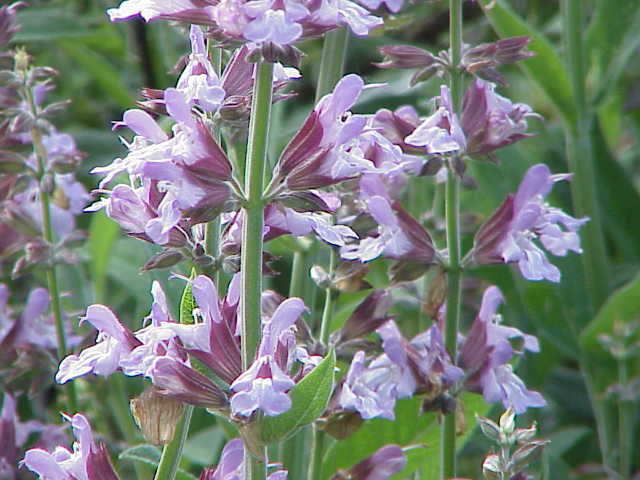 Common sageSalvia officinalis
A Mediterranean herb with grey-green leaves and blue to purple flowers
🇨🇳 China and 1 more · Herb or useful flower
Common sageSalvia officinalis
A Mediterranean herb with grey-green leaves and blue to purple flowers
🇨🇳 China and 1 more · Herb or useful flower
 Holy basilOcimum tenuiflorum
A fragrant herb central to Hindu worship and Southeast Asian cooking
🇲🇲 Myanmar and 6 more · Herb or useful flower
Holy basilOcimum tenuiflorum
A fragrant herb central to Hindu worship and Southeast Asian cooking
🇲🇲 Myanmar and 6 more · Herb or useful flower
More from Mexico
All the flowers of Mexico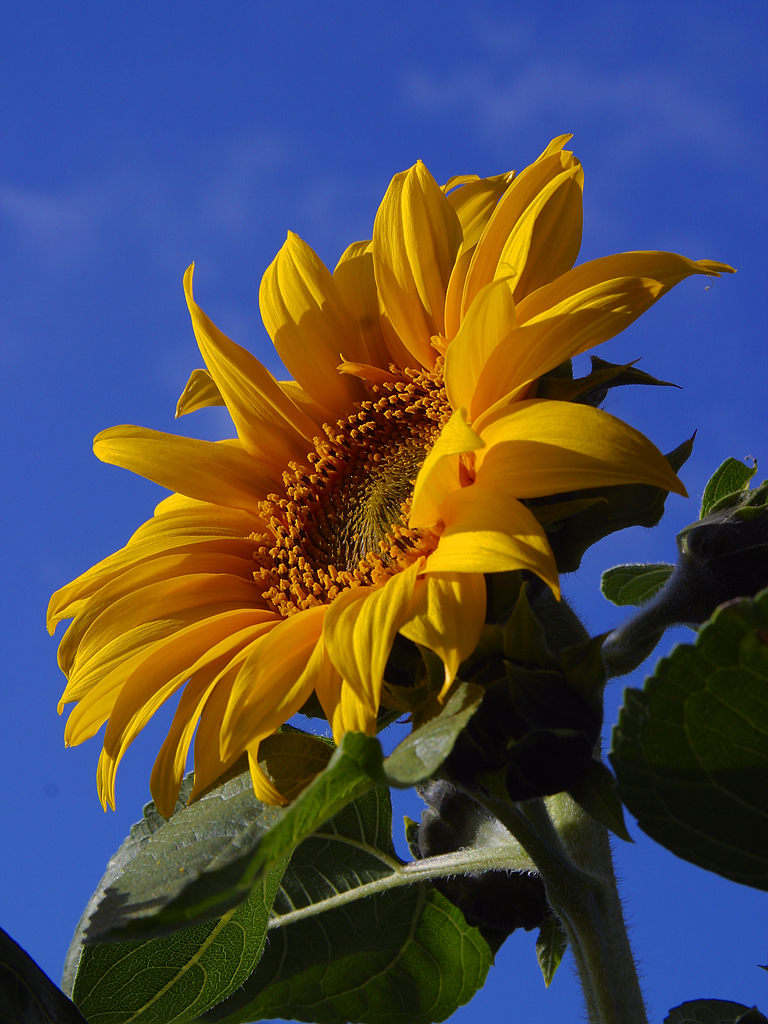 Common sunflowerHelianthus annuus
A tall annual plant grown for its large yellow flower heads and edible seeds
🇨🇦 Canada and 4 more · Wildflower
Common sunflowerHelianthus annuus
A tall annual plant grown for its large yellow flower heads and edible seeds
🇨🇦 Canada and 4 more · Wildflower
 CactusCactaceae
Succulent plants with spines, native to the Americas
🇲🇽 Mexico and 7 more · Wildflower
CactusCactaceae
Succulent plants with spines, native to the Americas
🇲🇽 Mexico and 7 more · Wildflower
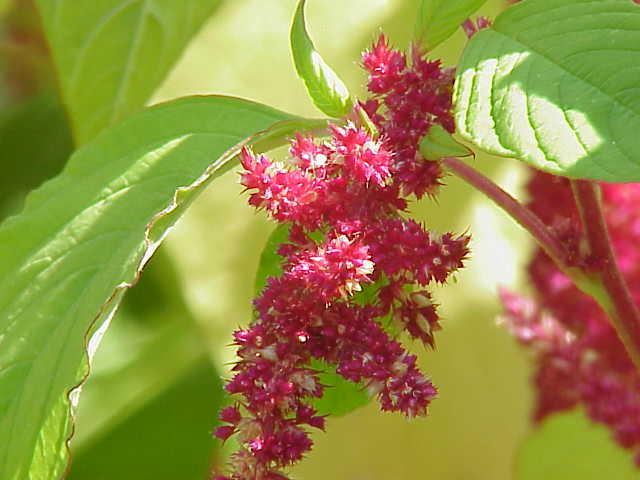 AmaranthAmaranthus
A tall, colourful plant grown for its flowers, leaves and edible seeds
🇲🇽 Mexico and 7 more · Wildflower
AmaranthAmaranthus
A tall, colourful plant grown for its flowers, leaves and edible seeds
🇲🇽 Mexico and 7 more · Wildflower
 HawthornCrataegus
A thorny shrub or tree with white or pink spring flowers and small edible fruits
🇮🇪 Ireland and 7 more · Wildflower
HawthornCrataegus
A thorny shrub or tree with white or pink spring flowers and small edible fruits
🇮🇪 Ireland and 7 more · Wildflower