
Gentian sage
Salvia patens, family Lamiaceae
A blue-flowered sage from central Mexico grown for its vivid blooms
Gentian sage (Salvia patens) is a perennial plant from central Mexico, valued for its striking blue flowers. Gardeners grow it for its showy blooms, which appear above green, arrow-shaped leaves. Different varieties offer shades from white to deep blue, and it is often planted as an annual in cooler climates.
- Native to central Mexico
- Known for its vivid blue flowers
- Grown as a summer garden plant
- Varieties include white, lilac, and deep blue forms
- Awarded for garden performance
What does Gentian sage look like?
Gentian sage is a perennial with tuberous roots and grows to about 30 to 60 cm in height and width. Its leaves are shaped like arrowheads and have a soft green color. The flower stems rise above the leaves, holding spaced-out, vivid blue flowers about 2.6 cm long, each with a small green cup at the base. Some cultivated forms can reach up to 1.8 meters and have larger, deep blue blooms.
Where does Gentian sage come from?
This sage species grows wild in central Mexico. It was first brought into gardens in 1838. William Robinson, an Irish gardener and botanist, helped make it popular in the early 20th century. Plant explorers have since found taller and larger-flowered forms in Mexico, and breeders in the Netherlands have developed new color varieties.
When and how Gentian sage blooms
Gentian sage is usually planted in spring after frost has passed. Because it does not survive hard freezes, gardeners often treat it as an annual or lift the tubers to store indoors over winter. It grows from seed or tubers and prefers mild conditions. Flower colors now include blue, white, and lilac, thanks to selective breeding.


How Gentian sage is used
People grow gentian sage mainly for its decorative flowers in garden beds and borders. Its bright blue blooms make it a favorite for summer displays. Some varieties, such as 'Cambridge Blue', are especially popular in home gardens and have received recognition for their performance.
Kinds of Gentian sage
There are several named forms, including 'Cambridge Blue' with pale blue flowers and 'Guanajuato', a tall variety with large, deep blue blooms found in Mexico. Breeders have also introduced white and lilac-flowered types, expanding the range of colors available to gardeners.
What Gentian sage means
Gentian sage is admired for its intense blue flowers, which are rare among garden plants. It has received awards for garden merit and is praised by horticulturists for its beauty. The Latin name 'patens' refers to its spreading habit. Its popularity has grown through the efforts of plant collectors and gardeners.
Where Gentian sage is used and seen


Questions people ask about Gentian sage
Where does gentian sage come from?
Gentian sage is native to central Mexico, where it grows wild. It was introduced to gardens in the 19th century and has since become popular in other countries.
What does gentian sage look like?
It has arrow-shaped green leaves and produces flower spikes with spaced, bright blue flowers. Some varieties also have white or lilac blooms.
How is gentian sage used?
Gardeners grow it for its colorful flowers, mainly in summer beds and borders. It is valued for its ornamental appeal.
Are there different types of gentian sage?
Yes, there are several varieties, including 'Cambridge Blue' and 'Guanajuato', which differ in flower color and size.
What does gentian sage symbolize?
The sources do not mention any particular symbolism for gentian sage.
Good reading and sources
- Salvia patensRoyal Horticultural Society, Article
- USDA Plants DatabaseUS Department of Agriculture, Article
- Plants of the World OnlineRoyal Botanic Gardens, Kew, Plant database
- Where it has been recordedGBIF, Plant database
- Sightings and photos by naturalistsiNaturalist, Plant database
- Salvia patens on WikipediaEncyclopedia
- More photos on Wikimedia CommonsPhotos
- Wikidata recordOpen data
The facts on this page come from the Wikipedia article "Salvia patens", written by its contributors and used under the CC BY-SA 4.0 licence, and from its Wikidata record (CC0). Phool rewrote the text in its own words, with AI assistance, and compares every page with the article to make sure no passage is copied. It may be reused under the same CC BY-SA 4.0 licence with a link back.
It may contain mistakes. It is not medical or foraging advice: many flowers are poisonous, and traditional uses are reported, not recommended. If something is wrong, tell us. Last refreshed 2026-10-03.
Others in the family Lamiaceae
The whole family RosemarySalvia rosmarinus
A fragrant evergreen shrub with needle-like leaves and purple, blue, or white flowers
🇪🇸 Spain and 5 more · Flowering shrub
RosemarySalvia rosmarinus
A fragrant evergreen shrub with needle-like leaves and purple, blue, or white flowers
🇪🇸 Spain and 5 more · Flowering shrub
 Salvia
A vast group of aromatic herbs and shrubs known for their flowers and uses
Salvia · Wildflower
Salvia
A vast group of aromatic herbs and shrubs known for their flowers and uses
Salvia · Wildflower
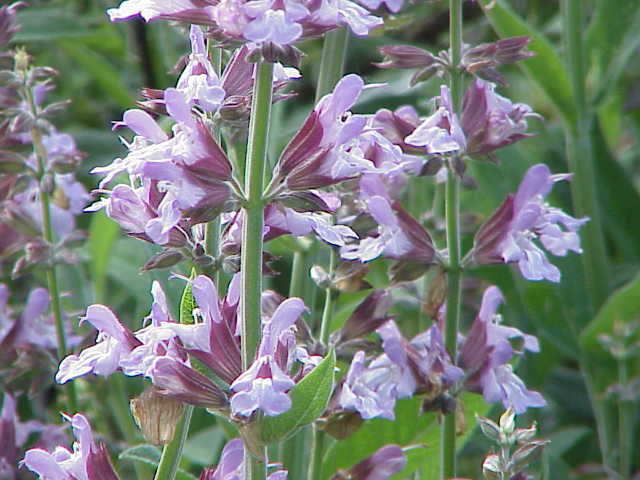 Common sageSalvia officinalis
A Mediterranean herb with grey-green leaves and blue to purple flowers
🇨🇳 China and 1 more · Herb or useful flower
Common sageSalvia officinalis
A Mediterranean herb with grey-green leaves and blue to purple flowers
🇨🇳 China and 1 more · Herb or useful flower
 Holy basilOcimum tenuiflorum
A fragrant herb central to Hindu worship and Southeast Asian cooking
🇲🇲 Myanmar and 6 more · Herb or useful flower
Holy basilOcimum tenuiflorum
A fragrant herb central to Hindu worship and Southeast Asian cooking
🇲🇲 Myanmar and 6 more · Herb or useful flower
More from Mexico
All the flowers of Mexico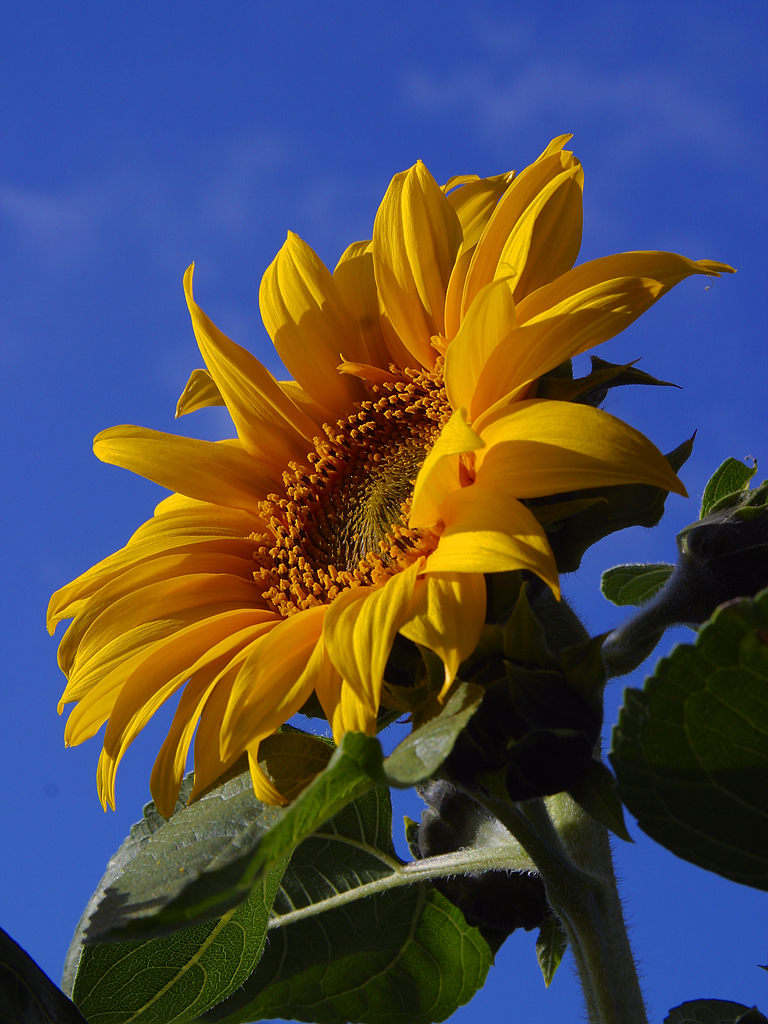 Common sunflowerHelianthus annuus
A tall annual plant grown for its large yellow flower heads and edible seeds
🇨🇦 Canada and 4 more · Wildflower
Common sunflowerHelianthus annuus
A tall annual plant grown for its large yellow flower heads and edible seeds
🇨🇦 Canada and 4 more · Wildflower
 CactusCactaceae
Succulent plants with spines, native to the Americas
🇲🇽 Mexico and 7 more · Wildflower
CactusCactaceae
Succulent plants with spines, native to the Americas
🇲🇽 Mexico and 7 more · Wildflower
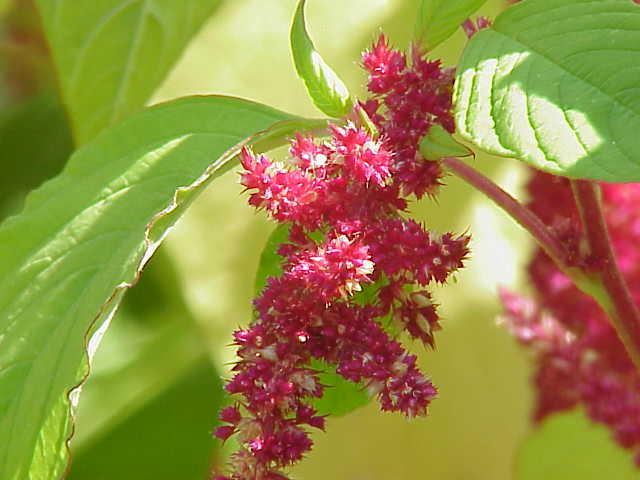 AmaranthAmaranthus
A tall, colourful plant grown for its flowers, leaves and edible seeds
🇲🇽 Mexico and 7 more · Wildflower
AmaranthAmaranthus
A tall, colourful plant grown for its flowers, leaves and edible seeds
🇲🇽 Mexico and 7 more · Wildflower
 HawthornCrataegus
A thorny shrub or tree with white or pink spring flowers and small edible fruits
🇮🇪 Ireland and 7 more · Wildflower
HawthornCrataegus
A thorny shrub or tree with white or pink spring flowers and small edible fruits
🇮🇪 Ireland and 7 more · Wildflower