
Clary sage
Salvia sclarea, family Lamiaceae
A tall herb with aromatic leaves and pale lilac to white flower spikes
Clary sage is a biennial or short-lived perennial herb grown for its fragrant oil and decorative flowers. Native to the northern Mediterranean, North Africa, and parts of Central Asia, it has hairy, square stems and large leaves. Its flower spikes show off pale lilac, mauve, or white blossoms, and the plant is used in perfumes, flavorings, and traditional remedies.
- Grown for its fragrant essential oil used in perfumes and flavorings
- Flowers are pale lilac, mauve, or white with pink edges
- Seeds were once used in folk remedies for eye care
- Native to the northern Mediterranean, North Africa, and Central Asia
What does Clary sage look like?
Clary sage grows up to about a meter tall, with thick, hairy, square stems. Its leaves are large and wrinkled, especially near the base, and feel sticky due to glandular hairs. The plant produces upright spikes with clusters of flowers, each surrounded by colorful bracts. The blossoms themselves are usually pale lilac, mauve, or white with pink markings, and their lips open wide. Some cultivated forms, like 'Turkestanica', have pink stems and white flowers flecked with pink.
Where does Clary sage come from?
Clary sage is native to the northern Mediterranean, parts of North Africa, and Central Asia. It has been known since ancient times, with mentions in Greek and Roman writings. Over centuries, it spread through cultivation for its herbal and aromatic qualities. Its name comes from old European languages, reflecting its use for 'clear' eyes, as herbalists once used its seeds to help remove debris from the eye.
When and how Clary sage blooms
This plant is usually grown as a biennial, forming a rosette of leaves in its first year and flowering in the second. It thrives in sunny spots with well-drained soil. The essential oil is extracted from its flowering tops, and the flowers are harvested when in full bloom. Some varieties are selected for their showy spikes or particular flower colors.


How Clary sage is used
Clary sage is valued for its essential oil, which is used in perfumes and as a flavoring in drinks like vermouth and liqueurs. In the past, its seeds were used in folk remedies for eye problems. The plant has also been added to wines and beers, especially in Europe, to enhance flavor and aroma. Today, large-scale oil production takes place in places like North Carolina.
Kinds of Clary sage
The 'Turkestanica' cultivar is notable for its pink stems and white flowers with pink spots. Other forms may differ in flower color or growth habit, but all share the aromatic leaves and upright flower spikes typical of the species.
What Clary sage means
Clary sage has a long history in herbal medicine and as a flavoring agent. Its seeds were once used to help clear the eyes, which gave rise to its name. The plant has been mentioned by ancient writers and was used in European beverages centuries ago. Today, it remains important in the perfume and flavoring industries.
Where Clary sage is used and seen


Traditions that use it
Questions people ask about Clary sage
Where does clary sage come from?
Clary sage is native to the northern Mediterranean region, parts of North Africa, and Central Asia. It has also been widely cultivated in other areas for its aromatic and medicinal qualities.
What is clary sage used for?
Clary sage is mainly grown for its essential oil, which is used in perfumes and as a flavoring in drinks like vermouth. It has also been used in traditional remedies and as an additive in wines and beers.
What does clary sage look like?
The plant grows up to about a meter tall, with thick, hairy stems and large, wrinkled leaves. Its flower spikes display clusters of pale lilac, mauve, or white blossoms, often with pink markings.
Does clary sage have any special meaning?
Its seeds were traditionally used to help clear debris from the eyes, which is reflected in its name. It has a long history in herbal medicine and as a flavoring agent.
Good reading and sources
- Encyclopaedia BritannicaArticle
- USDA Plants DatabaseUS Department of Agriculture, Article
- Salvia sclareaRoyal Horticultural Society, Article
- Plants of the World OnlineRoyal Botanic Gardens, Kew, Plant database
- Where it has been recordedGBIF, Plant database
- Sightings and photos by naturalistsiNaturalist, Plant database
- Salvia sclarea on WikipediaEncyclopedia
- More photos on Wikimedia CommonsPhotos
- Wikidata recordOpen data
The facts on this page come from the Wikipedia article "Salvia sclarea", written by its contributors and used under the CC BY-SA 4.0 licence, and from its Wikidata record (CC0). Phool rewrote the text in its own words, with AI assistance, and compares every page with the article to make sure no passage is copied. It may be reused under the same CC BY-SA 4.0 licence with a link back.
It may contain mistakes. It is not medical or foraging advice: many flowers are poisonous, and traditional uses are reported, not recommended. If something is wrong, tell us. Last refreshed 2026-10-03.
Others in the family Lamiaceae
The whole family RosemarySalvia rosmarinus
A fragrant evergreen shrub with needle-like leaves and purple, blue, or white flowers
🇪🇸 Spain and 5 more · Flowering shrub
RosemarySalvia rosmarinus
A fragrant evergreen shrub with needle-like leaves and purple, blue, or white flowers
🇪🇸 Spain and 5 more · Flowering shrub
 Salvia
A vast group of aromatic herbs and shrubs known for their flowers and uses
Salvia · Wildflower
Salvia
A vast group of aromatic herbs and shrubs known for their flowers and uses
Salvia · Wildflower
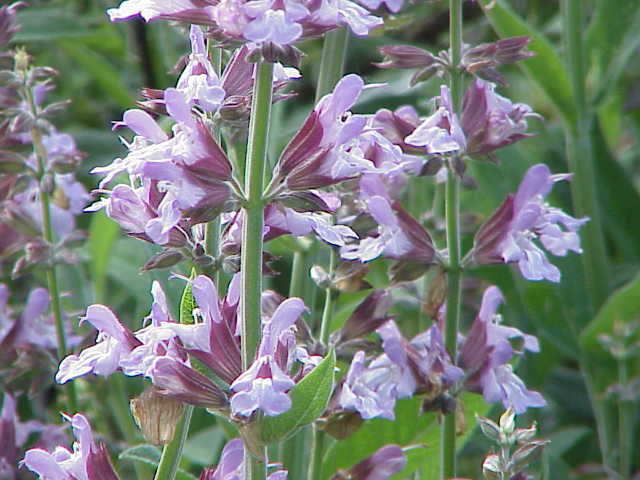 Common sageSalvia officinalis
A Mediterranean herb with grey-green leaves and blue to purple flowers
🇨🇳 China and 1 more · Herb or useful flower
Common sageSalvia officinalis
A Mediterranean herb with grey-green leaves and blue to purple flowers
🇨🇳 China and 1 more · Herb or useful flower
 Holy basilOcimum tenuiflorum
A fragrant herb central to Hindu worship and Southeast Asian cooking
🇲🇲 Myanmar and 6 more · Herb or useful flower
Holy basilOcimum tenuiflorum
A fragrant herb central to Hindu worship and Southeast Asian cooking
🇲🇲 Myanmar and 6 more · Herb or useful flower
More from China
All the flowers of China PeachPrunus persica
A flowering fruit tree from China, grown for its pink blossoms and sweet fruit
🇨🇳 China and 7 more · Flowering tree
PeachPrunus persica
A flowering fruit tree from China, grown for its pink blossoms and sweet fruit
🇨🇳 China and 7 more · Flowering tree
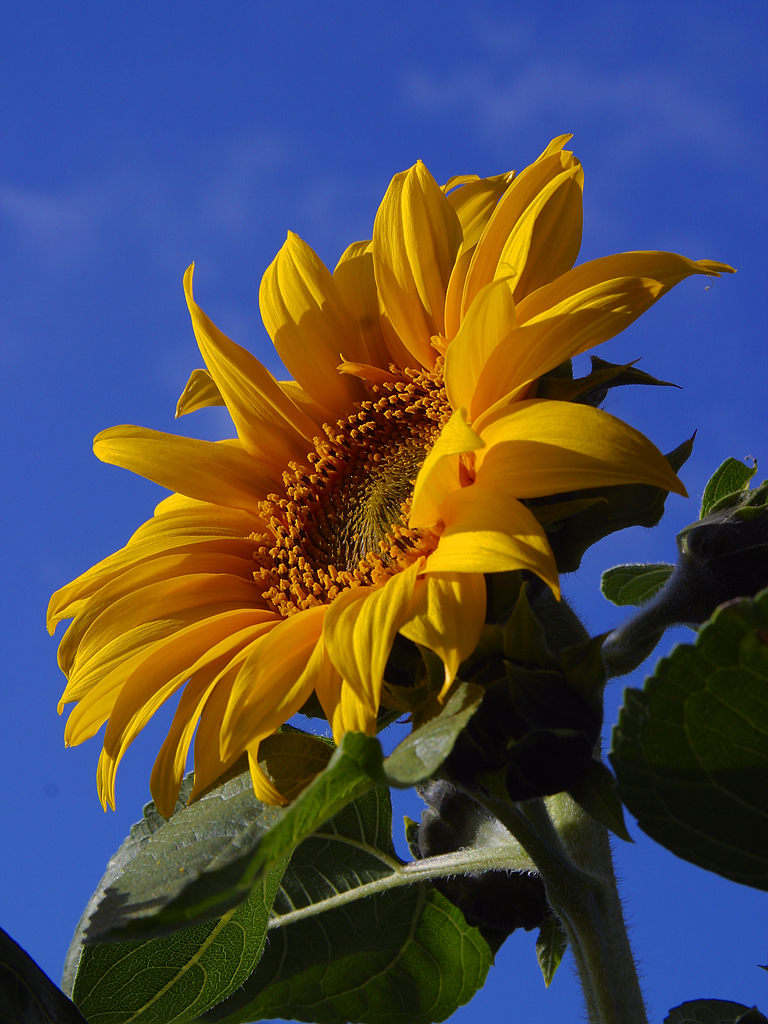 Common sunflowerHelianthus annuus
A tall annual plant grown for its large yellow flower heads and edible seeds
🇨🇦 Canada and 4 more · Wildflower
Common sunflowerHelianthus annuus
A tall annual plant grown for its large yellow flower heads and edible seeds
🇨🇦 Canada and 4 more · Wildflower
 PomegranatePunica granatum
A shrub with bright red flowers and a fruit full of edible seeds
🇮🇷 Iran and 9 more · Flowering shrub
PomegranatePunica granatum
A shrub with bright red flowers and a fruit full of edible seeds
🇮🇷 Iran and 9 more · Flowering shrub
 ApricotPrunus armeniaca
A small fruit tree with early white to pink blossoms and golden-orange fruit
🇨🇳 China and 6 more · Flowering tree
ApricotPrunus armeniaca
A small fruit tree with early white to pink blossoms and golden-orange fruit
🇨🇳 China and 6 more · Flowering tree