
Buenos Aires Japanese Gardens
In its own language: Jardín Japonés de Buenos Aires
A Japanese-style garden and cultural center in Buenos Aires, Argentina
The Buenos Aires Japanese Gardens are a large Japanese-style public garden in the city’s Parque Tres de Febrero. Opened in 1967, the gardens feature a central lake with bridges, Japanese and South American plants, a Buddhist temple, and spaces for cultural events. Visitors can see bonsai, orchids, and Asian craftwork.
- One of the largest Japanese gardens outside Japan
- Features a central lake with symbolic bridges
- Home to bonsai, orchids, and Japanese medicinal herbs
- Includes a Buddhist temple and Peace Bell
- Combines Japanese and South American plant species
What is Buenos Aires Japanese Gardens?
The Buenos Aires Japanese Gardens cover 2 hectares and are laid out in the Japanese landscape style. A central lake is crossed by two bridges: the Divine Bridge, symbolizing entry into Heaven, and the Truncated Bridge, which leads to an island with Japanese medicinal herbs. The gardens are planted with Japanese trees and shrubs such as sakura (cherry), katsura, momiji (maple), and azalea, alongside South American species like tipa and floss silk trees. Visitors also find bonsai, orchids, bromeliads, granite sculptures, a Peace Bell, and a large stone lantern.
The history of Buenos Aires Japanese Gardens
The gardens were created after a smaller Japanese garden in Buenos Aires was demolished. The Japanese Argentine Cultural Foundation obtained land in Parque Tres de Febrero and completed the new gardens in 1967, timed with a visit from Crown Prince Akihito and Princess Michiko of Japan. The gardens were designed to celebrate Japanese culture and serve as a meeting place for the Japanese-Argentine community.
What there is to see
The garden’s layout centers on a large lake, crossed by two distinctive bridges. Surrounding the lake are plantings of Japanese origin, including cherry, maple, and azalea, as well as South American trees. There is a greenhouse for bonsai, a cultural center, a restaurant, and a gift shop with Asian seeds and crafts. The grounds also feature a Buddhist temple and an open-air theatre.

When to go
The Buenos Aires Japanese Gardens are open to the public and host regular cultural activities. Visitors can walk the grounds, cross the bridges, view bonsai and orchids, and attend events at the cultural center or open-air theatre. The gardens are a place for relaxation, learning, and experiencing Japanese traditions in Argentina.
Parts and collections
The gardens combine Japanese plants such as sakura, katsura, momiji, and azalea with local South American trees like tipa and floss silk. The greenhouse is notable for its bonsai collection, and the grounds include both Japanese and regional plant species, as well as traditional Japanese garden features.
Why Buenos Aires Japanese Gardens matters
The gardens are a symbol of friendship between Argentina and Japan and serve as a cultural bridge. Features like the Peace Bell, Buddhist temple, and stone lanterns reflect Japanese traditions. The gardens host cultural events for the public and are a center for the Japanese-Argentine community.
The flowers of Buenos Aires Japanese Gardens
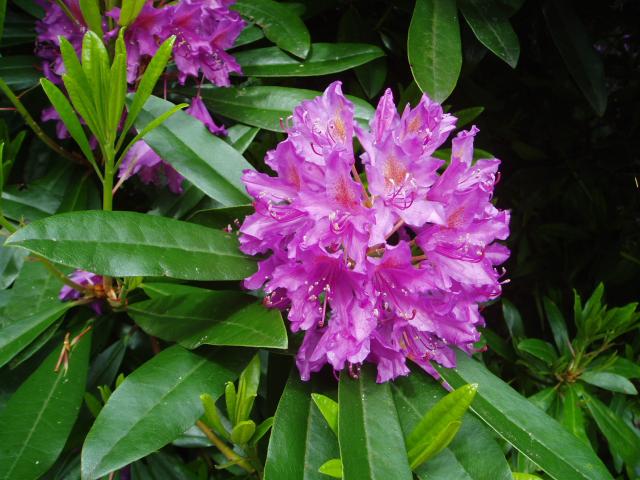 RhododendronA vast group of shrubs and trees with showy blooms in many colours
 TillandsiaRootless plants that live on trees, rock and air, grown as house plants
 TipuanaA tall South American tree with bright yellow summer flowers
 Cherry blossomThe spring-blooming flower of ornamental cherry trees, central to Japan’s hanami custom
 AzaleaShade-loving flowering shrubs with spring blooms and thousands of cultivated forms
 Curled OncidiumA cool-growing Colombian orchid with crisped white or rose flowers
Questions people ask about Buenos Aires Japanese Gardens
Where are the Buenos Aires Japanese Gardens located?
They are in the northeast corner of Parque Tres de Febrero in Buenos Aires, Argentina, with an entrance on Figueroa Alcorta Avenue.
What can visitors see in the gardens?
Visitors can explore a central lake with bridges, Japanese and South American trees, bonsai, orchids, a Buddhist temple, granite sculptures, and a cultural center.
When were the gardens established?
The gardens were completed and opened in 1967, coinciding with a visit from Crown Prince Akihito and Princess Michiko of Japan.
What is the cultural significance of the gardens?
They symbolize friendship between Argentina and Japan and are a center for Japanese-Argentine cultural activities, featuring traditional elements like a Peace Bell and Buddhist temple.
Are there any special plants or features?
Yes, the gardens have Japanese plants such as sakura, katsura, momiji, azalea, and a bonsai collection, as well as South American trees and a greenhouse.
Good reading and sources
- Buenos Aires Japanese Gardens on WikipediaEncyclopedia
- More photos on Wikimedia CommonsPhotos
- Wikidata recordOpen data
The facts on this page come from the Wikipedia article "Buenos Aires Japanese Gardens", written by its contributors and used under the CC BY-SA 4.0 licence, and from its Wikidata record (CC0). Phool rewrote the text in its own words, with AI assistance, and compares every page with the article to make sure no passage is copied. It may be reused under the same CC BY-SA 4.0 licence with a link back.
It may contain mistakes. Opening times, prices and bloom dates change: check with the place before you travel. If something is wrong, tell us. Last refreshed 2026-10-03.
More of the same kind
 Place
AlhambraLa Alhambra
Medieval palace and fortress complex overlooking Granada, Spain
Granada, 🇪🇸 Spain · Flower garden
Place
AlhambraLa Alhambra
Medieval palace and fortress complex overlooking Granada, Spain
Granada, 🇪🇸 Spain · Flower garden
 Place
Rose garden
A public garden devoted to growing and displaying many kinds of roses
L'Haÿ-les-Roses, 🇫🇷 France · Flower garden
Place
Rose garden
A public garden devoted to growing and displaying many kinds of roses
L'Haÿ-les-Roses, 🇫🇷 France · Flower garden
 Place
Villa Rufolo
A historic villa in Ravello with year-round flower gardens and sea views
Ravello, 🇮🇹 Italy · Flower garden
Place
Villa Rufolo
A historic villa in Ravello with year-round flower gardens and sea views
Ravello, 🇮🇹 Italy · Flower garden
 Place
International Garden Festival
Britain’s first major international garden festival, held in Liverpool in 1984
Liverpool, 🇬🇧 United Kingdom · Festival or show, May to Oct
Place
International Garden Festival
Britain’s first major international garden festival, held in Liverpool in 1984
Liverpool, 🇬🇧 United Kingdom · Festival or show, May to Oct
More from Argentina
All the flowers of Argentina Place
Buenos Aires Botanical GardenJardín Botánico de Buenos Aires
A historic botanical garden with over 5,000 plant species in Buenos Aires
Buenos Aires, 🇦🇷 Argentina · Botanical garden
Place
Buenos Aires Botanical GardenJardín Botánico de Buenos Aires
A historic botanical garden with over 5,000 plant species in Buenos Aires
Buenos Aires, 🇦🇷 Argentina · Botanical garden
 CactusCactaceae
Succulent plants with spines, native to the Americas
🇲🇽 Mexico and 7 more · Wildflower
CactusCactaceae
Succulent plants with spines, native to the Americas
🇲🇽 Mexico and 7 more · Wildflower
 Eucalyptus
The tall, aromatic trees and shrubs known as gum trees or eucalypts
🇦🇺 Australia and 7 more · Flowering tree
Eucalyptus
The tall, aromatic trees and shrubs known as gum trees or eucalypts
🇦🇺 Australia and 7 more · Flowering tree
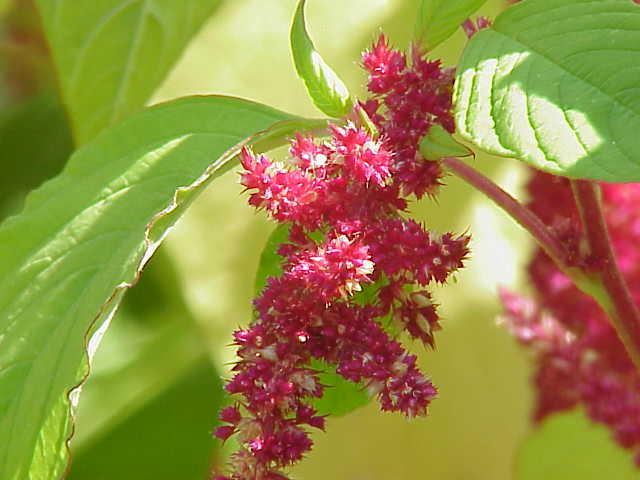 AmaranthAmaranthus
A tall, colourful plant grown for its flowers, leaves and edible seeds
🇲🇽 Mexico and 7 more · Wildflower
AmaranthAmaranthus
A tall, colourful plant grown for its flowers, leaves and edible seeds
🇲🇽 Mexico and 7 more · Wildflower