🇲🇳 The flowers of Mongolia
21 pages from Mongolia: its flowers, the things made with them and the places to see them.
Mongolia’s flowers and flowering plants reflect its extreme climates and vast open spaces. Most of the land is grassland or desert, with hardy wildflowers and shrubs adapted to cold and drought. Rhododendrons, edelweiss, and the desert saxaul shrub are among its notable blooms, while forests in the north shelter larches and birches.
- Saxaul shrubs anchor sand dunes in the Gobi Desert.
- Rhododendrons bloom in red, yellow, and white.
- Edelweiss grows in Mongolia’s mountains.
- Over 200 plant species are threatened.
- The One Billion Trees program began in 2021.
The plant life of Mongolia
Mongolia’s plant life is shaped by its continental climate and sweeping landscapes. Pasture and grassland dominate, covering most of the country, while forests are found mainly in the north and mountains. The flora must withstand harsh winters, hot summers, and low rainfall, especially in the south and west. Four main vegetation zones exist: coniferous taiga in the north, dense mountain forest-steppe, open steppe grasslands, and sparse desert or semi-desert vegetation. Most flowering plants are tough species suited to grazing and drought.
From region to region in Mongolia
In the north, coniferous forests with larches, pines, and birches give way to alpine plants at higher elevations. Central Mongolia’s mountain forest-steppe supports denser growth on northern slopes, while wide valleys and basins are home to steppe grasses and wildflowers. The south and west are dominated by semi-desert and desert, where only drought-tolerant shrubs like saxaul and scattered poplars near water sources survive.
Flowers to know in Mongolia
Rhododendrons bloom in red, yellow, and white in the forests and mountains. Edelweiss, known for its pale star-shaped flowers, is also found. In the Gobi and other deserts, the saxaul shrub stands out for its dense wood and role in anchoring sand dunes. Siberian larch and cedar are key forest trees. Over 200 plant species are considered threatened.
How flowers are used in Mongolia
Pasture plants are vital for Mongolia’s livestock, which are central to nomadic life. Saxaul is valued as firewood in the desert. The One Billion Trees program, started in 2021, aims to restore native trees and shrubs across the country.
Threats and protection in Mongolia
Habitat loss, overgrazing, and commercial exploitation have put many plant species at risk. More than 200 are threatened. Mongolia has set aside protected areas, including biosphere reserves and national parks, to conserve rare flora. The One Billion Trees initiative is part of national conservation efforts.
The facts in this overview come from the Wikipedia article "Wildlife of Mongolia", written by its contributors and used under the CC BY-SA 4.0 licence. Phool rewrote the text in its own words, with AI assistance, and compares every page with the article to make sure no passage is copied. It may be reused under the same CC BY-SA 4.0 licence with a link back.
 Siberian columbineAquilegia sibirica
A hardy lilac-blue and white columbine from Siberia and Central Asia
🇲🇳 Mongolia and 3 more · Wildflower
Siberian columbineAquilegia sibirica
A hardy lilac-blue and white columbine from Siberia and Central Asia
🇲🇳 Mongolia and 3 more · Wildflower
 Paeonia anomala
A wild peony with finely divided leaves and magenta-red flowers from northern Eurasia
🇷🇺 Russia and 4 more · Wildflower
Paeonia anomala
A wild peony with finely divided leaves and magenta-red flowers from northern Eurasia
🇷🇺 Russia and 4 more · Wildflower
 Rhododendron aureum
A low evergreen shrub with pale yellow spring flowers from northeastern Asia
🇨🇳 China and 2 more · Wildflower
Rhododendron aureum
A low evergreen shrub with pale yellow spring flowers from northeastern Asia
🇨🇳 China and 2 more · Wildflower
 Eastern pasqueflowerPulsatilla patens
A wildflower of open lands from Europe to China, with feathery divided leaves
🇨🇳 China and 3 more · Wildflower
Eastern pasqueflowerPulsatilla patens
A wildflower of open lands from Europe to China, with feathery divided leaves
🇨🇳 China and 3 more · Wildflower
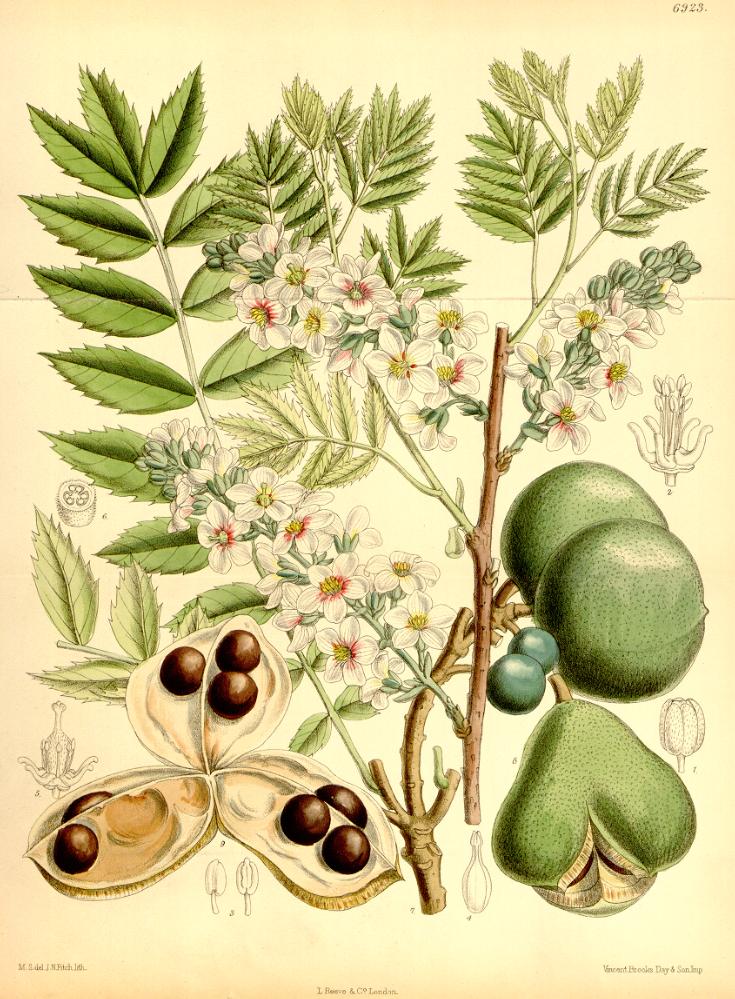 YellowhornXanthoceras sorbifolium
A hardy flowering tree from northern China with edible seeds and fragrant white blooms
🇨🇳 China and 2 more · Flowering tree
YellowhornXanthoceras sorbifolium
A hardy flowering tree from northern China with edible seeds and fragrant white blooms
🇨🇳 China and 2 more · Flowering tree
 Iris lactea白花马蔺
A hardy wild iris with pale blue to violet blooms from central Asia
🇨🇳 China and 6 more · Wildflower
Iris lactea白花马蔺
A hardy wild iris with pale blue to violet blooms from central Asia
🇨🇳 China and 6 more · Wildflower
 Fringed irisIris japonica
A pale blue or white iris with fringed petals from China and Japan
🇨🇳 China and 3 more · Wildflower
Fringed irisIris japonica
A pale blue or white iris with fringed petals from China and Japan
🇨🇳 China and 3 more · Wildflower
 Bergenia
A hardy perennial with large leaves and clusters of pink flowers
🇨🇳 China and 7 more · Wildflower
Bergenia
A hardy perennial with large leaves and clusters of pink flowers
🇨🇳 China and 7 more · Wildflower
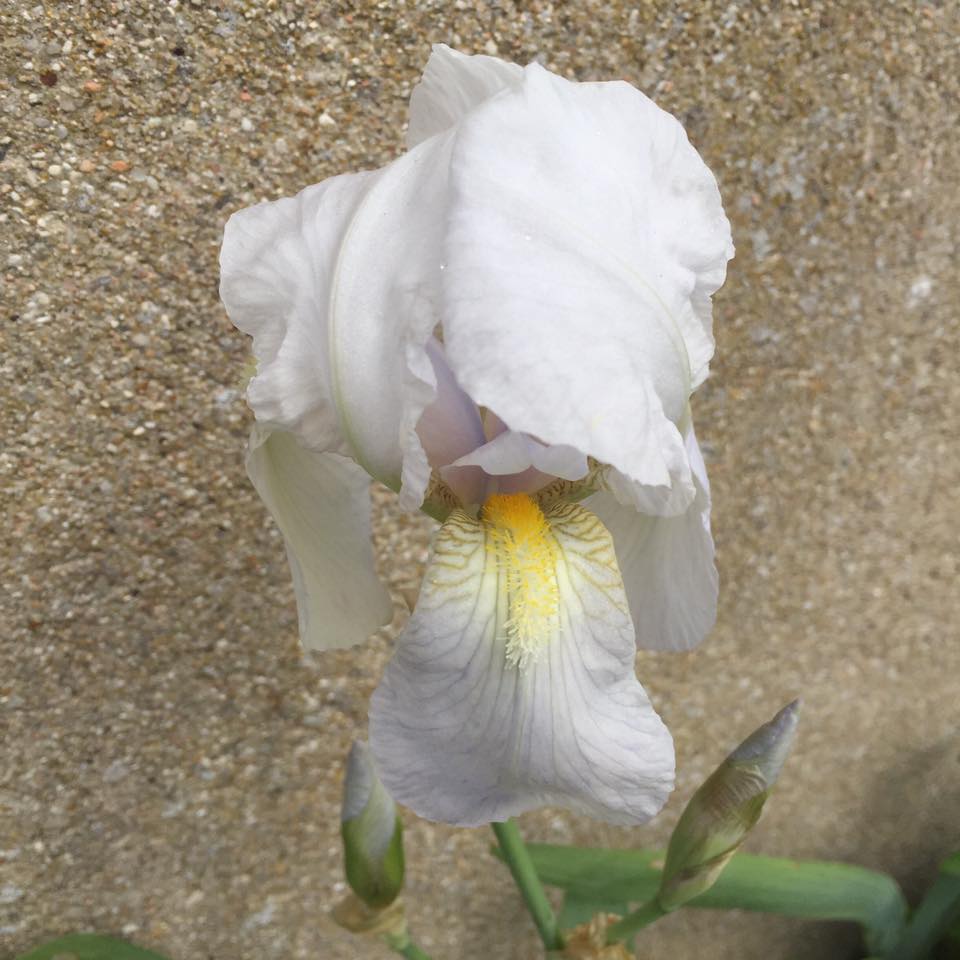 Iris florentina
A white, violet-scented iris grown for orris root and as a grave flower
🇮🇹 Italy and 7 more · Wildflower
Iris florentina
A white, violet-scented iris grown for orris root and as a grave flower
🇮🇹 Italy and 7 more · Wildflower
 WallflowerErysimum
A group of bright, often fragrant flowers found wild and in gardens worldwide
🇪🇸 Spain and 5 more · Wildflower
WallflowerErysimum
A group of bright, often fragrant flowers found wild and in gardens worldwide
🇪🇸 Spain and 5 more · Wildflower
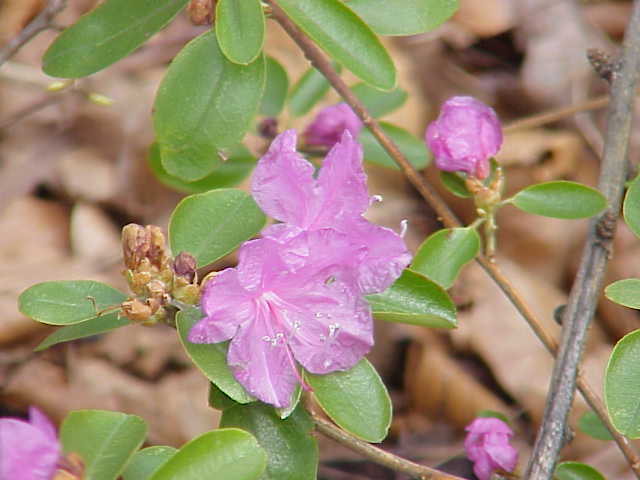 Rhododendron dauricum
A hardy shrub with purple flowers from northeast Asia
🇨🇳 China and 2 more · Flowering shrub
Rhododendron dauricum
A hardy shrub with purple flowers from northeast Asia
🇨🇳 China and 2 more · Flowering shrub
Photo credits on this page
The small pictures above come from Wikimedia Commons under free licences. Some are cropped to fit.
- Yellowhorn: Joseph Dalton Hooker (1817-1911), Public domain, source
- Iris florentina: Abrahami, CC BY-SA 4.0, source
- Siberian columbine: KENPEI, CC BY-SA 3.0, source
- Paeonia anomala: Eglekuc, CC BY 3.0, source
- Rhododendron aureum: Alpsdake, Public domain, source
- Eastern pasqueflower: Funkervogt, CC BY-SA 3.0, source
- Iris lactea: peganum, CC BY-SA 2.0, source
- Fringed iris: Apple2000, CC BY 3.0, source
- Bergenia: Christian Hummert ( Ixitixel ), CC BY-SA 3.0, source
- Wallflower: Kurt Stüber [1], CC BY-SA 3.0, source
- Rhododendron dauricum: Kurt Stüber [1], CC BY-SA 3.0, source
- Mongolia: Thomas Vandenberghe, CC BY-SA 2.0, source