
Gosekku
In its own language: 五節句
Five seasonal festivals once held at the Japanese imperial court
Gosekku refers to five traditional annual ceremonies from Japan, blending Japanese and Chinese customs. These festivals, once celebrated at the imperial court, are linked to the seasons and are still observed in some form today, often with flowers, poetry, and symbolic offerings.
- Five seasonal festivals once celebrated at the Japanese imperial court
- Some Gosekku festivals, like Hinamatsuri and Tanabata, are still observed today
- Each festival features symbolic plants such as iris, chrysanthemum, and mugwort
- Kyokusui involved floating cups of rice wine and composing poetry
What is Gosekku?
Gosekku are five seasonal festivals that were once major events at the Japanese imperial court. Each festival marked a different time of year and involved special rituals, such as poetry, offerings, and the use of symbolic plants like iris, chrysanthemum, and mugwort. Some involved processions, floating cups of wine, or hanging greenery to ward off evil. Today, several of these festivals continue in adapted forms among the public.
Where does Gosekku come from?
The Gosekku festivals began in Japan during the Nara period in the 8th century, drawing on both native and Chinese traditions. Over time, these ceremonies became a regular part of court life, blending local customs with imported practices. The festivals spread beyond the court and became part of Japanese cultural tradition. Although their official role at court ended with the Meiji era, their influence remains in modern festivals.
How Gosekku is made
Each Gosekku festival had its own rituals. For example, during Kyokusui, courtiers would float cups of rice wine down a stream and compose poetry. On Ayame no hi, mugwort was hung for protection, and iris flowers were celebrated. Kikkoden involved offerings during Tanabata, and Chōyō no en featured chrysanthemum wine. These customs often used seasonal plants and symbolic gestures.
When and where Gosekku is used
Originally, the Gosekku were court ceremonies, but over time, they became part of public life. Today, Hinamatsuri (Girls' Day), Tango no sekku (Boys' Day), Tanabata, and Kiku no sekku (Chrysanthemum Festival) are celebrated by people across Japan. The festivals are marked by displays of flowers, traditional foods, and rituals for health, protection, and good fortune.
Forms of Gosekku
The five Gosekku festivals are: Jinjitsu (New Year's), Kyokusui (third day of the third month), Ayame no hi (fifth day of the fifth month), Kikkoden (seventh day of the seventh month), and Chōyō no en (ninth day of the ninth month). Some, like Hinamatsuri and Tanabata, have become major public festivals, while others are less widely observed.
What Gosekku means
Gosekku festivals are closely tied to Japanese seasonal change and symbolism. Flowers like iris and chrysanthemum play important roles, representing protection and longevity. The festivals also feature in art, such as Ikeda Koson's scrolls. Though their courtly origins have faded, their influence continues in Japanese seasonal celebrations and customs.
The flowers of Gosekku
 ChrysanthemumAutumn-blooming flower with thousands of varieties, cherished in East Asia and beyond
 Chrysanthemum japonenseA white-flowered perennial daisy native to coastal Shikoku, Japan
 Indian chrysanthemumA yellow or white-flowered chrysanthemum native to China
 Florist's daisyThe many-petalled autumn bloom of gardens and floral shows
 Japanese irisA tall, rhizomatous iris with bluish-purple flowers and yellow-marked falls
 Japanese irisA water-loving Japanese iris with violet-blue blooms and historic garden ties
Questions people ask about Gosekku
What is Gosekku?
Gosekku refers to five traditional seasonal festivals that were once held at the Japanese imperial court, each marked by special rituals and symbolic plants.
Where did the Gosekku festivals originate?
The Gosekku festivals began in Japan during the Nara period, combining Japanese and Chinese traditions, and were celebrated at the imperial court before spreading to the wider culture.
Are any Gosekku festivals still celebrated today?
Yes, several Gosekku festivals, such as Hinamatsuri (Girls' Day), Tanabata, and Kiku no sekku (Chrysanthemum Festival), continue to be celebrated in Japan.
What flowers are associated with Gosekku festivals?
Flowers like Japanese iris and chrysanthemum are closely linked to these festivals, along with plants such as mugwort.
What do the Gosekku festivals symbolise?
The festivals symbolise seasonal change, protection, longevity, and good fortune, often using flowers and rituals to mark these themes.
Good reading and sources
The facts on this page come from the Wikipedia article "Gosekku", written by its contributors and used under the CC BY-SA 4.0 licence, and from its Wikidata record (CC0). Phool rewrote the text in its own words, with AI assistance, and compares every page with the article to make sure no passage is copied. It may be reused under the same CC BY-SA 4.0 licence with a link back.
It may contain mistakes. If something is wrong, tell us. Last refreshed 2026-10-03.
More of the same kind
 Decoration
Floriculture
The science and business of growing flowers and ornamental plants
Arrangement
Decoration
Floriculture
The science and business of growing flowers and ornamental plants
Arrangement
 Decoration
Corn dolly
Straw figures shaped for harvest customs across Europe
🇮🇪 Ireland and 3 more · Flower craft
Decoration
Corn dolly
Straw figures shaped for harvest customs across Europe
🇮🇪 Ireland and 3 more · Flower craft
 Decoration
Varamalaवरमाला
A flower garland exchanged by bride and groom in Hindu weddings
🇮🇳 India · Garland or wreath
Decoration
Varamalaवरमाला
A flower garland exchanged by bride and groom in Hindu weddings
🇮🇳 India · Garland or wreath
 Decoration
Bouquet
A creative arrangement of flowers, given or displayed for many occasions
🇨🇳 China and 1 more · Arrangement
Decoration
Bouquet
A creative arrangement of flowers, given or displayed for many occasions
🇨🇳 China and 1 more · Arrangement
More from Japan
All the flowers of Japan Decoration
Bonsai盆栽
The Japanese art of shaping miniature trees in shallow pots
🇯🇵 Japan and 7 more · Art or design
Decoration
Bonsai盆栽
The Japanese art of shaping miniature trees in shallow pots
🇯🇵 Japan and 7 more · Art or design
 Decoration
Tokonoma床の間
A Japanese alcove for displaying scrolls and flower arrangements
🇯🇵 Japan · Arrangement
Decoration
Tokonoma床の間
A Japanese alcove for displaying scrolls and flower arrangements
🇯🇵 Japan · Arrangement
 Decoration
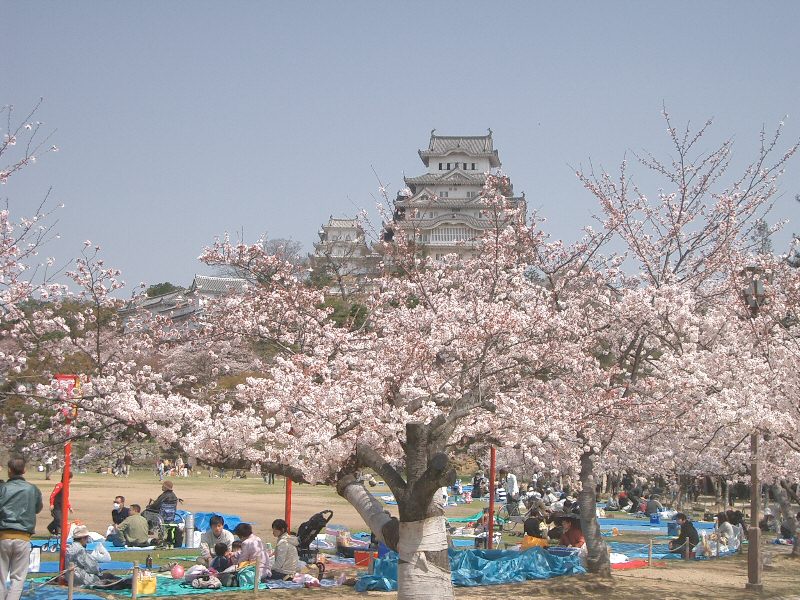
Hanami花見
The Japanese tradition of gathering to enjoy cherry blossoms in spring
🇯🇵 Japan and 7 more · Custom, Jan to May
Decoration
Hanami花見
The Japanese tradition of gathering to enjoy cherry blossoms in spring
🇯🇵 Japan and 7 more · Custom, Jan to May
 Decoration
Sōgetsu草月流
A modern school of Japanese ikebana open to all materials and styles
🇯🇵 Japan · Arrangement
Decoration
Sōgetsu草月流
A modern school of Japanese ikebana open to all materials and styles
🇯🇵 Japan · Arrangement