
Narcissus romieuxii
A winter-flowering daffodil from Morocco’s Atlas Mountains
Narcissus romieuxii is a daffodil species native to the Atlas Mountains in Morocco. It stands out for its early winter bloom, rush-like dark green leaves, and wide, flaring trumpet-shaped flowers in shades of white and yellow. Gardeners value its unique look and its range of cultivated forms.
- Native to Morocco’s Atlas Mountains
- Flowers in mid to late winter
- Blooms are white or yellow with a flared trumpet
- Has several accepted subspecies
- Named for botanist Henri Auguste Romieux
What does Narcissus romieuxii look like?
This plant produces slender, dark green leaves that resemble rushes. Its flowers open in mid to late winter, each with a broad, flared trumpet and narrow outer segments. Blooms can be found in various tones of white and yellow, depending on the variety. The overall look is delicate and distinctive among daffodils.
Where does Narcissus romieuxii come from?
Narcissus romieuxii is native to Morocco, growing naturally in the Atlas Mountains. Its species name pays tribute to Henri Auguste Romieux, a French botanist from the late 19th and early 20th centuries. Over time, it has become popular with gardeners outside its native region, especially for its early flowering and unique form.
When and how Narcissus romieuxii blooms
This daffodil grows from a bulb and is known for flowering in the colder months, often before other daffodils appear. It thrives in well-drained soil and is usually planted in autumn. The plant is valued for its ability to bloom in winter, adding color to gardens when few other flowers are out.
How Narcissus romieuxii is used
Gardeners grow Narcissus romieuxii mainly for its ornamental value in home gardens and collections. Its early bloom time makes it a favorite for adding winter interest. There is no mention of it being used in rituals, cuisine, or medicine.
Kinds of Narcissus romieuxii
There are several recognized forms of Narcissus romieuxii, including subspecies like albidus, jacquemoudii, and romieuxii itself. These differ slightly in flower color and form, offering gardeners a choice of subtle variations within the species.
What Narcissus romieuxii means
Narcissus romieuxii has been recognized for its performance in gardens, earning awards for its qualities. Its name honors a French botanist, reflecting its botanical history. It is grown mainly for its beauty and early flowering rather than for symbolic or cultural reasons.
Where Narcissus romieuxii is used and seen
 History of flower arrangementHow arranging flowers became an art across cultures and centuries
 ChapletA ring-shaped headpiece woven from flowers, leaves, or twigs
 Lunar New Year FairA festive flower market held before Lunar New Year in Cantonese communities
 Dutch gardenA formal, geometric flower garden style from the Netherlands
 Chinese New YearThe Spring Festival marked by red decorations, family gatherings, and flower displays
Questions people ask about Narcissus romieuxii
Where does Narcissus romieuxii come from?
This species is native to the Atlas Mountains in Morocco, where it grows wild.
What does Narcissus romieuxii look like?
It has dark green, rush-like leaves and produces wide, flaring trumpet flowers in shades of white or yellow.
When does Narcissus romieuxii bloom?
It flowers in mid to late winter, making it one of the earliest daffodils to appear.
Are there different types of Narcissus romieuxii?
Yes, several subspecies are recognized, including albidus, jacquemoudii, and romieuxii, each with slight differences.
How is Narcissus romieuxii used?
It is mainly grown as an ornamental plant in gardens, valued for its early winter blooms.
Good reading and sources
- Narcissus romieuxii (13)Royal Horticultural Society, Article
- Plants of the World OnlineRoyal Botanic Gardens, Kew, Plant database
- Where it has been recordedGBIF, Plant database
- Sightings and photos by naturalistsiNaturalist, Plant database
- Narcissus romieuxii on WikipediaEncyclopedia
- More photos on Wikimedia CommonsPhotos
- Wikidata recordOpen data
The facts on this page come from the Wikipedia article "Narcissus romieuxii", written by its contributors and used under the CC BY-SA 4.0 licence, and from its Wikidata record (CC0). Phool rewrote the text in its own words, with AI assistance, and compares every page with the article to make sure no passage is copied. It may be reused under the same CC BY-SA 4.0 licence with a link back.
It may contain mistakes. It is not medical or foraging advice: many flowers are poisonous, and traditional uses are reported, not recommended. If something is wrong, tell us. Last refreshed 2026-10-03.
Others in the family Amaryllidaceae
The whole family Wild GarlicAllium ursinum
A wild woodland plant with star-shaped white flowers and edible leaves
🇮🇪 Ireland · Wildflower
Wild GarlicAllium ursinum
A wild woodland plant with star-shaped white flowers and edible leaves
🇮🇪 Ireland · Wildflower
 Allium
The genus of onions, garlic, leeks, chives and their wild relatives
Allium · Wildflower
Allium
The genus of onions, garlic, leeks, chives and their wild relatives
Allium · Wildflower
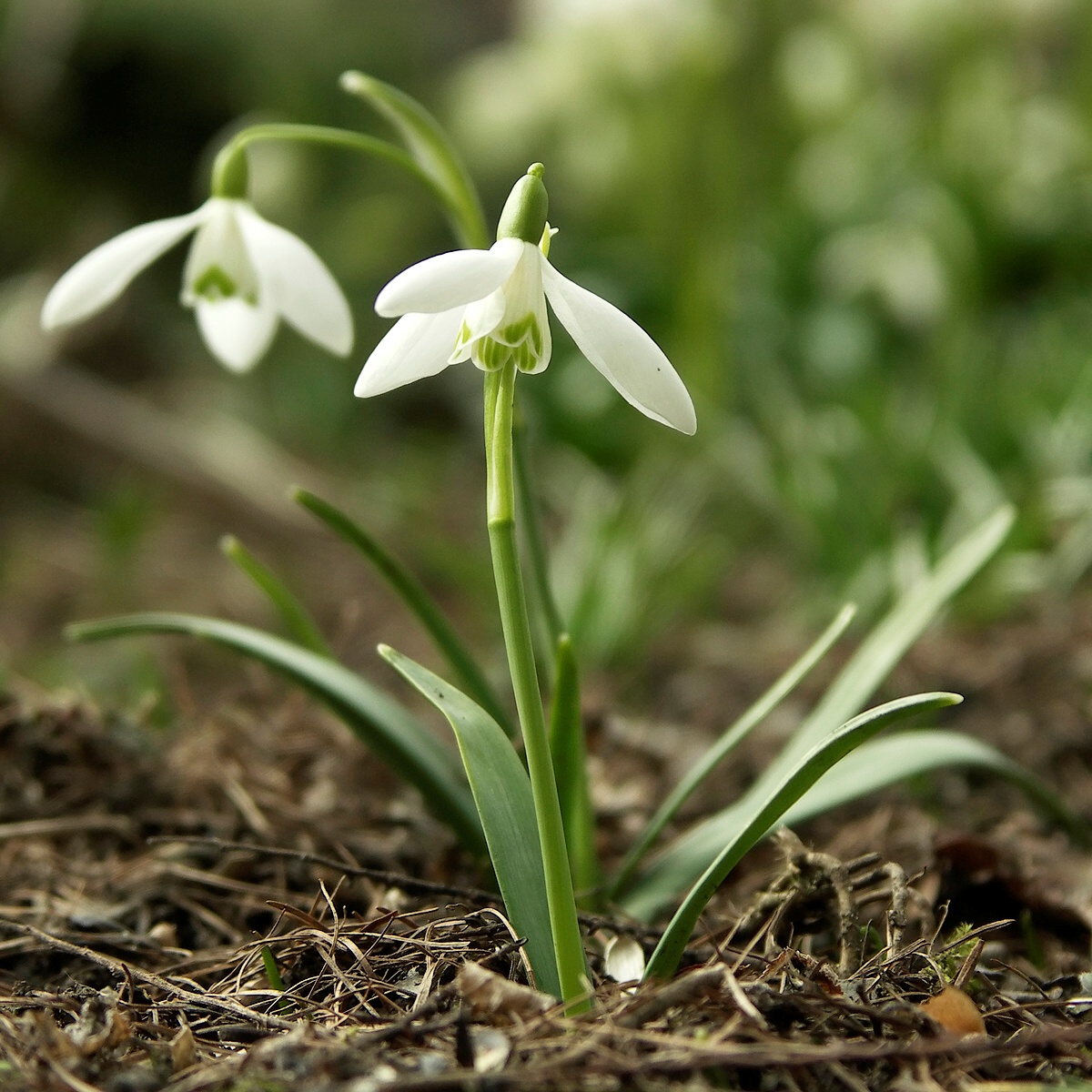 SnowdropGalanthus
White bell-shaped flowers that bloom at the end of winter
🇹🇷 Turkey and 7 more · Wildflower
SnowdropGalanthus
White bell-shaped flowers that bloom at the end of winter
🇹🇷 Turkey and 7 more · Wildflower
 Leucojum
White-flowered bulbs of damp meadows and shady gardens
🇪🇸 Spain and 6 more · Wildflower
Leucojum
White-flowered bulbs of damp meadows and shady gardens
🇪🇸 Spain and 6 more · Wildflower
More from Morocco
All the flowers of Morocco Wild cherryPrunus avium
A tall flowering tree native to Europe, grown for its sweet fruit and spring blossom
🇮🇹 Italy and 6 more · Flowering tree
Wild cherryPrunus avium
A tall flowering tree native to Europe, grown for its sweet fruit and spring blossom
🇮🇹 Italy and 6 more · Flowering tree
 Narcissus
Spring-flowering bulbs with trumpet-shaped blooms in white, yellow, and orange
🇬🇧 United Kingdom and 7 more · Wildflower
Narcissus
Spring-flowering bulbs with trumpet-shaped blooms in white, yellow, and orange
🇬🇧 United Kingdom and 7 more · Wildflower
 OleanderNerium oleander
A showy, evergreen shrub with clusters of pink, white or red flowers
🇲🇦 Morocco and 8 more · Flowering shrub
OleanderNerium oleander
A showy, evergreen shrub with clusters of pink, white or red flowers
🇲🇦 Morocco and 8 more · Flowering shrub
 Bay laurelLaurus nobilis
Evergreen tree with aromatic leaves used as bay leaf in cooking
🇬🇷 Greece and 9 more · Flowering tree
Bay laurelLaurus nobilis
Evergreen tree with aromatic leaves used as bay leaf in cooking
🇬🇷 Greece and 9 more · Flowering tree