
Lunar New Year Fair
In its own language: 年宵市場
A festive flower market held before Lunar New Year in Cantonese communities
The Lunar New Year Fair, called 年宵市場 in Chinese, is a bustling flower market held in the days leading up to Lunar New Year, mainly in Cantonese-speaking regions like Hong Kong and Guangzhou. Stalls sell flowering plants such as narcissus, peony, chrysanthemum, peach, and mandarin, alongside festive goods, drawing crowds who visit as part of New Year customs.
- Held just before Lunar New Year in Cantonese regions
- Famous for stalls selling narcissus, peony, chrysanthemum, peach, and mandarin
- Victoria Park in Hong Kong is a main fair location
- Known as 'flower street' in Guangzhou, where roads become markets
- A tradition dating back to the Ming Dynasty
What is Lunar New Year Fair?
The Lunar New Year Fair is a lively outdoor market set up for several days before Lunar New Year, filled with stalls selling flowering plants, fruit trees, and festive decorations. The fair is known for its vibrant displays of narcissus, peony, chrysanthemum, peach blossoms, and mandarin plants, all considered auspicious for the coming year. Crowds gather to browse, buy, and enjoy the festive atmosphere, with some stalls also offering creative New Year-themed goods.
Where does Lunar New Year Fair come from?
The tradition of the Lunar New Year Fair dates back to the Ming Dynasty, when flower markets were held daily in the Pearl River Delta. By the 1860s, these markets became annual events held only at Lunar New Year. The custom spread from Guangzhou, its source, to Hong Kong and overseas with Cantonese migration. In Guangzhou, the fairs are called 'flower streets' because they take over main roads, turning them into pedestrian markets during the festival.
How Lunar New Year Fair is made
The fair is set up in parks or on city streets a few days before Lunar New Year. Vendors arrange stalls with fresh flowering plants like narcissus, peony, chrysanthemum, peach, and mandarin, along with festive goods. In Hong Kong, about half the stalls sell flowers and plants, while the rest offer dry goods for the holiday. The market is busiest just before and after midnight on New Year's Day, as sellers aim to clear their stock before the fair closes.

When and where Lunar New Year Fair is used
The fair is visited by families and individuals as part of New Year traditions, especially in Cantonese communities. People buy flowers and plants to decorate their homes, believing they bring luck and prosperity. The custom of 'walking the flower market' is a social and festive outing. In Hong Kong, it is common for local leaders to visit, and for students and youth groups to run their own stalls with creative products.
Forms of Lunar New Year Fair
While the core tradition is similar, each city has its own style. In Hong Kong, major fairs are held in places like Victoria Park and Fa Hui Park, while in Guangzhou, each district hosts its own 'flower street'. The types of flowers and goods may vary, and some stalls feature unique, themed items related to the zodiac animal of the year. The tradition has also spread to Cantonese communities overseas.
What Lunar New Year Fair means
The Lunar New Year Fair is deeply tied to Cantonese New Year customs, symbolizing renewal and good fortune. The flowers sold have auspicious meanings, such as prosperity (peach), luck (mandarin), and longevity (narcissus). The fair is a major social event, and the act of visiting is itself a tradition. It reflects the importance of flowers in Chinese New Year celebrations and the continuity of cultural practices across generations.
The flowers of Lunar New Year Fair
 PeachA flowering fruit tree from China, grown for its pink blossoms and sweet fruit
 ChrysanthemumAutumn-blooming flower with thousands of varieties, cherished in East Asia and beyond
 NarcissusSpring-flowering bulbs with trumpet-shaped blooms in white, yellow, and orange
 PeonyLarge spring flowers in pink, red, white, yellow and purple, grown in gardens worldwide
 PaperwhiteA tall, white-and-yellow narcissus grown for scent and indoor blooms
 Wild daffodilA pale yellow spring flower and the national emblem of Wales
 Poet's daffodilA fragrant white daffodil linked to ancient Greek myth and poetry
 Pygmy daffodilA tiny yellow daffodil from the mountains of Portugal and Spain
Questions people ask about Lunar New Year Fair
Where did the Lunar New Year Fair originate?
The fair began in the Pearl River Delta, especially Guangzhou, during the Ming Dynasty. It later spread to Hong Kong and other Cantonese communities through migration.
What flowers are commonly sold at the fair?
Popular flowers and plants include narcissus, peony, chrysanthemum, peach blossoms, and mandarin trees, all considered auspicious for the New Year.
What is the fair's cultural significance?
Visiting the fair is a key New Year custom among Cantonese people. The flowers and plants symbolize luck, prosperity, and renewal for the coming year.
When does the Lunar New Year Fair take place?
The fair is held annually in the days just before Lunar New Year, with crowds peaking around New Year's Eve and New Year's Day.
Where are the main fairs held?
Major fairs are held in Victoria Park and Fa Hui Park in Hong Kong, and on main streets in each district of Guangzhou.
Good reading and sources
- Lunar New Year Fair on WikipediaEncyclopedia
- More photos on Wikimedia CommonsPhotos
- Wikidata recordOpen data
The facts on this page come from the Wikipedia article "Lunar New Year Fair", written by its contributors and used under the CC BY-SA 4.0 licence, and from its Wikidata record (CC0). Phool rewrote the text in its own words, with AI assistance, and compares every page with the article to make sure no passage is copied. It may be reused under the same CC BY-SA 4.0 licence with a link back.
It may contain mistakes. If something is wrong, tell us. Last refreshed 2026-10-03.
More of the same kind
 Decoration
Tokonoma床の間
A Japanese alcove for displaying scrolls and flower arrangements
🇯🇵 Japan · Arrangement
Decoration
Tokonoma床の間
A Japanese alcove for displaying scrolls and flower arrangements
🇯🇵 Japan · Arrangement
 Decoration
Floriculture
The science and business of growing flowers and ornamental plants
Arrangement
Decoration
Floriculture
The science and business of growing flowers and ornamental plants
Arrangement
 Decoration
Corn dolly
Straw figures shaped for harvest customs across Europe
🇮🇪 Ireland and 3 more · Flower craft
Decoration
Corn dolly
Straw figures shaped for harvest customs across Europe
🇮🇪 Ireland and 3 more · Flower craft
 Decoration
Sōgetsu草月流
A modern school of Japanese ikebana open to all materials and styles
🇯🇵 Japan · Arrangement
Decoration
Sōgetsu草月流
A modern school of Japanese ikebana open to all materials and styles
🇯🇵 Japan · Arrangement
More from China
All the flowers of China Decoration
Bonsai盆栽
The Japanese art of shaping miniature trees in shallow pots
🇯🇵 Japan and 7 more · Art or design
Decoration
Bonsai盆栽
The Japanese art of shaping miniature trees in shallow pots
🇯🇵 Japan and 7 more · Art or design
 Decoration
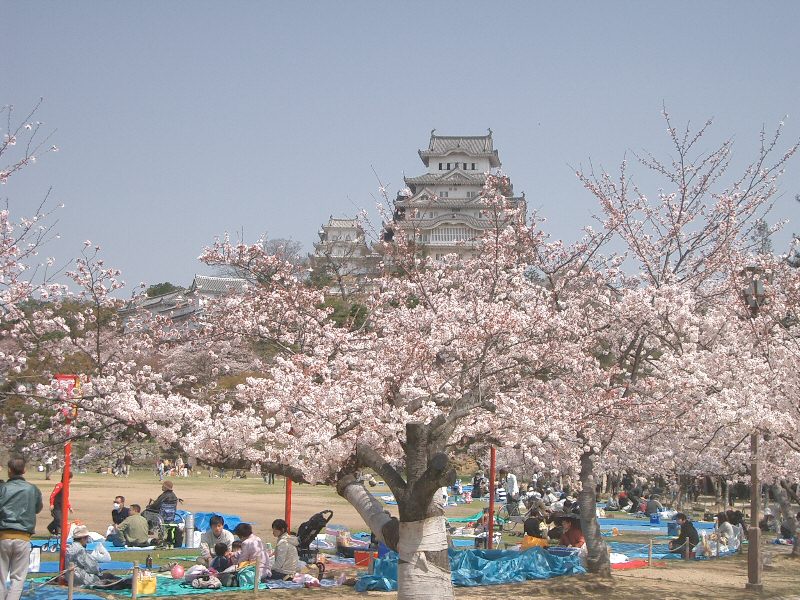
Hanami花見
The Japanese tradition of gathering to enjoy cherry blossoms in spring
🇯🇵 Japan and 7 more · Custom, Jan to May
Decoration
Hanami花見
The Japanese tradition of gathering to enjoy cherry blossoms in spring
🇯🇵 Japan and 7 more · Custom, Jan to May
 Decoration
Bouquet
A creative arrangement of flowers, given or displayed for many occasions
🇨🇳 China and 1 more · Arrangement
Decoration
Bouquet
A creative arrangement of flowers, given or displayed for many occasions
🇨🇳 China and 1 more · Arrangement
 Decoration
Famille rose粉彩
Pink-enamel style of Chinese porcelain decoration
🇨🇳 China and 1 more · Art or design
Decoration
Famille rose粉彩
Pink-enamel style of Chinese porcelain decoration
🇨🇳 China and 1 more · Art or design