
Four Gentlemen
In its own language: 四君子
The four symbolic plants of Chinese and East Asian art
The Four Gentlemen are four plants—plum blossom, orchid, bamboo, and chrysanthemum—used as a theme in Chinese painting and other East Asian arts. Each plant stands for a season and a traditional virtue, and together they appear in ink wash paintings, ceramics, and crafts in China, Korea, Japan, and Vietnam.
- Each plant stands for a season and a virtue
- A classic theme in Chinese ink wash painting
- Adopted in Korean, Japanese, and Vietnamese art
- Appears on ceramics, lacquerware, and crafts
What is Four Gentlemen?
The Four Gentlemen are a group of four plants—plum blossom, orchid, bamboo, and chrysanthemum—often painted together in Chinese and East Asian art. Each plant is shown in a style that highlights its natural form: the delicate plum blossom, slender orchid, upright bamboo, and full chrysanthemum. These plants are common subjects in ink wash painting and appear in patterns on ceramics, lacquerware, and other crafts.
Where does Four Gentlemen come from?
The theme of the Four Gentlemen began in China, where these plants were compared to the Confucian ideal of the 'gentleman.' Their use in painting dates back to the Song dynasty (960–1279), but their symbolic meanings are older. The idea spread to Korea, Japan, and Vietnam, where artists adopted the theme in their own traditions. In Korea, the Four Gentlemen appeared in celadon pottery and later in blue and white porcelain, as well as in lacquerware and folk painting.
How Four Gentlemen is made
Artists depict the Four Gentlemen in ink wash painting, often using simple brushstrokes to capture the essence of each plant. The theme is also used in decorative patterns on ceramics, lacquerware, and stone crafts. Each plant is painted to represent its season: plum blossom for winter, orchid for spring, bamboo for summer, and chrysanthemum for autumn.


When and where Four Gentlemen is used
The Four Gentlemen are a classic theme in Chinese bird-and-flower painting and are widely used in East Asian art and crafts. They appear in paintings, ceramics, lacquerware, and even on items like calligraphy boards and pencil cases. Their images are used to express virtues and the passing of the seasons.
Forms of Four Gentlemen
In Korea, the Four Gentlemen are known as Sagunja and are found in both pottery and folk painting. The specific plants used are the Chinese plum (Prunus mume), a native wild orchid, bamboo, and chrysanthemum. Each plant may be shown alone or together, and sometimes their meanings are emphasized with poems or calligraphy.
What Four Gentlemen means
Each plant stands for a season and a virtue: plum blossom for winter and perseverance, orchid for spring and nobility, bamboo for summer and uprightness, and chrysanthemum for autumn and endurance. The Four Gentlemen are linked to Confucian values and are a symbol of the scholar's ideals in East Asian culture. They remain a popular subject in art and craft across China, Korea, Japan, and Vietnam.
The flowers of Four Gentlemen
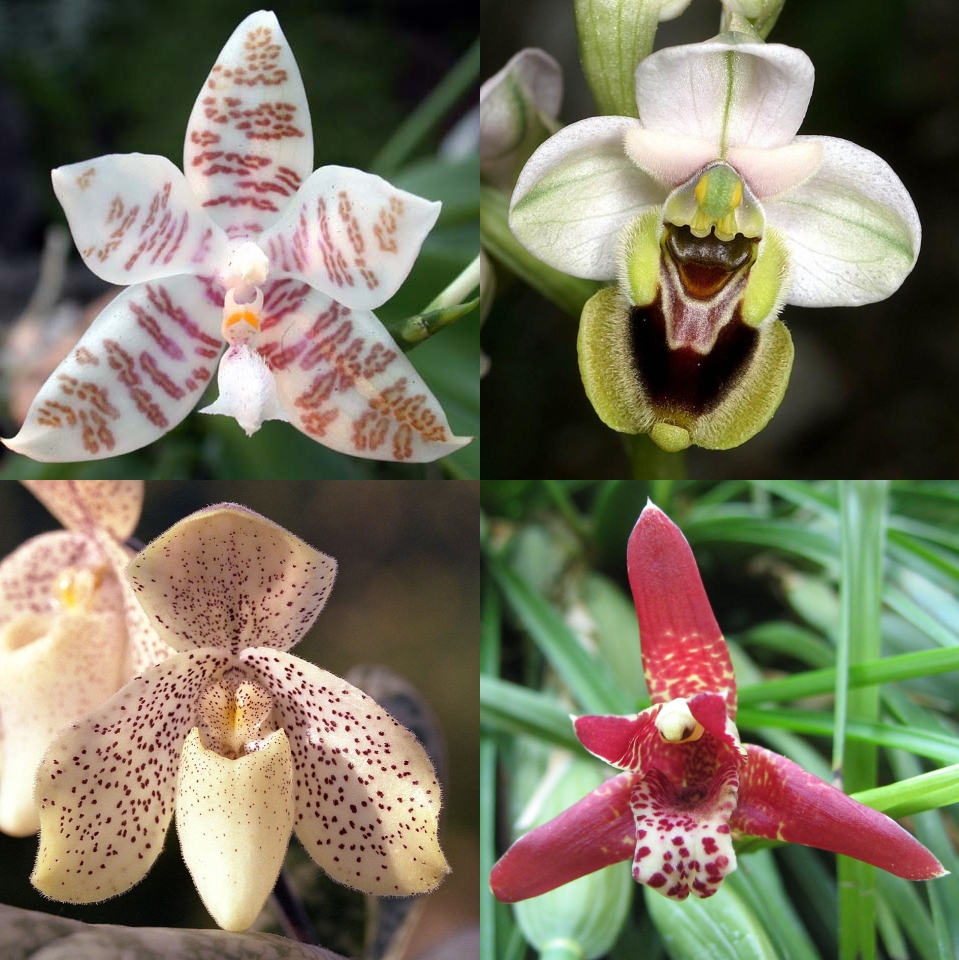 OrchidA vast family of colourful, often fragrant flowers found almost everywhere on earth
 ChrysanthemumAutumn-blooming flower with thousands of varieties, cherished in East Asia and beyond
 Prunus mumeThe fragrant plum blossom tree that blooms in winter across East Asia
 Chrysanthemum japonenseA white-flowered perennial daisy native to coastal Shikoku, Japan
 Indian chrysanthemumA yellow or white-flowered chrysanthemum native to China
 Florist's daisyThe many-petalled autumn bloom of gardens and floral shows
Questions people ask about Four Gentlemen
What are the Four Gentlemen?
The Four Gentlemen are four plants—plum blossom, orchid, bamboo, and chrysanthemum—used together as a theme in Chinese and East Asian art to represent the seasons and certain virtues.
Where does the Four Gentlemen theme come from?
The theme began in China, with roots in the Song dynasty, and later spread to Korea, Japan, and Vietnam, where it became part of local art and craft traditions.
What do the Four Gentlemen symbolize?
Each plant stands for a season and a virtue: plum blossom for perseverance in winter, orchid for nobility in spring, bamboo for uprightness in summer, and chrysanthemum for endurance in autumn.
How are the Four Gentlemen used in art?
They are painted in ink wash style and appear in patterns on ceramics, lacquerware, and other crafts, often to express traditional values and the passage of the seasons.
Good reading and sources
The facts on this page come from the Wikipedia article "Four Gentlemen", written by its contributors and used under the CC BY-SA 4.0 licence, and from its Wikidata record (CC0). Phool rewrote the text in its own words, with AI assistance, and compares every page with the article to make sure no passage is copied. It may be reused under the same CC BY-SA 4.0 licence with a link back.
It may contain mistakes. If something is wrong, tell us. Last refreshed 2026-10-03.
More of the same kind
 Decoration
Nageirebana抛入花
A free-form ikebana style using tall vases and no flower holders
Arrangement
Decoration
Nageirebana抛入花
A free-form ikebana style using tall vases and no flower holders
Arrangement
 Decoration
Tokonoma床の間
A Japanese alcove for displaying scrolls and flower arrangements
🇯🇵 Japan · Arrangement
Decoration
Tokonoma床の間
A Japanese alcove for displaying scrolls and flower arrangements
🇯🇵 Japan · Arrangement
 Decoration
Rangoliरंगोली
Indian floor art made with coloured powders, rice, or petals for festivals and daily welcome
🇮🇳 India and 1 more · Carpet or floor pattern
Decoration
Rangoliरंगोली
Indian floor art made with coloured powders, rice, or petals for festivals and daily welcome
🇮🇳 India and 1 more · Carpet or floor pattern
 Decoration
Sōgetsu草月流
A modern school of Japanese ikebana open to all materials and styles
🇯🇵 Japan · Arrangement
Decoration
Sōgetsu草月流
A modern school of Japanese ikebana open to all materials and styles
🇯🇵 Japan · Arrangement
More from China
All the flowers of China Decoration
Bonsai盆栽
The Japanese art of shaping miniature trees in shallow pots
🇯🇵 Japan and 7 more · Art or design
Decoration
Bonsai盆栽
The Japanese art of shaping miniature trees in shallow pots
🇯🇵 Japan and 7 more · Art or design
 Decoration
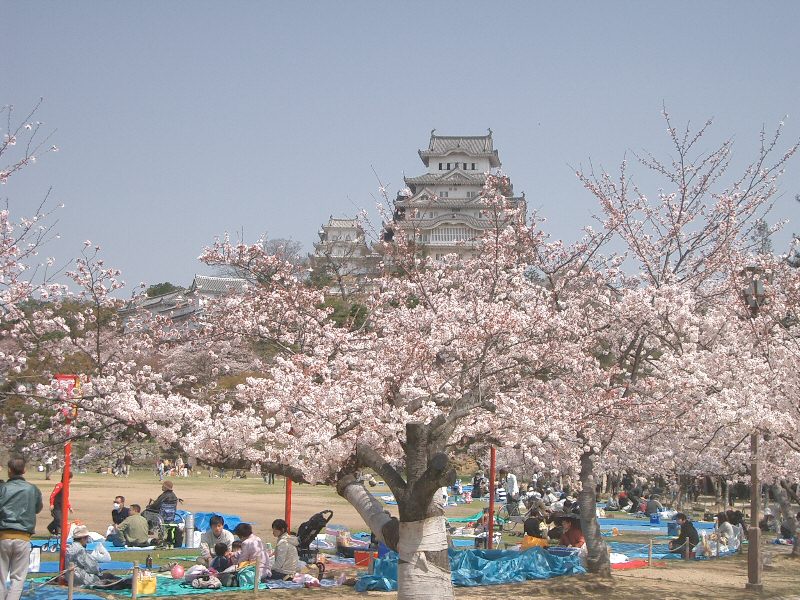
Hanami花見
The Japanese tradition of gathering to enjoy cherry blossoms in spring
🇯🇵 Japan and 7 more · Custom, Jan to May
Decoration
Hanami花見
The Japanese tradition of gathering to enjoy cherry blossoms in spring
🇯🇵 Japan and 7 more · Custom, Jan to May
 Decoration
Bouquet
A creative arrangement of flowers, given or displayed for many occasions
🇨🇳 China and 1 more · Arrangement
Decoration
Bouquet
A creative arrangement of flowers, given or displayed for many occasions
🇨🇳 China and 1 more · Arrangement
 Decoration
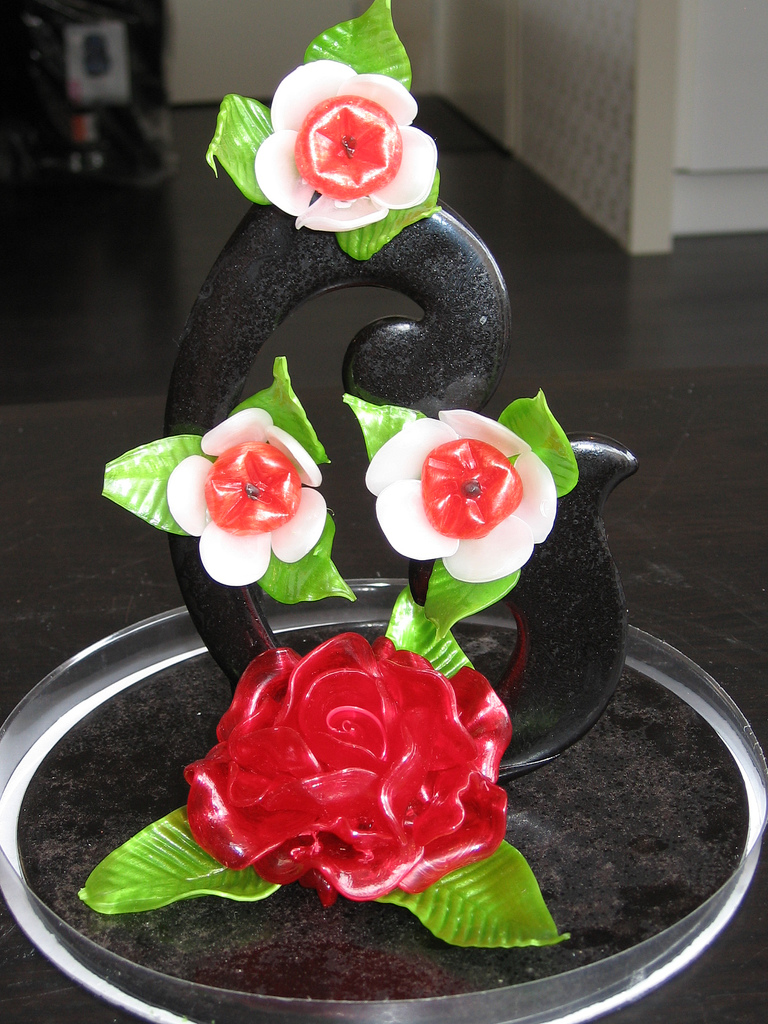
Sugar sculpture
Artistic centerpieces and figures made entirely from cooked sugar
🇨🇳 China and 1 more · Flower craft
Decoration
Sugar sculpture
Artistic centerpieces and figures made entirely from cooked sugar
🇨🇳 China and 1 more · Flower craft