
Mourning iris
Iris susiana, family Iridaceae
A rare iris with large, spotted flowers once found in the mountains of the Middle East
The mourning iris is a perennial plant from the iris family, once found in rocky mountain slopes in Lebanon, Syria, and Turkey. Its large, pale flowers are marked with purple spots and are valued for cut arrangements, but wild plants are now believed extinct due to overharvesting.
- Flowers can reach 12 cm across and are heavily spotted with purple.
- Once grew wild in Lebanon, Syria, and Turkey but is now likely extinct in nature.
- All parts of the plant are toxic if eaten and may irritate the skin.
- Cultivated since at least 7000 BCE and introduced to Europe in the 1500s.
- Depicted in stone carvings at the Taj Mahal.
What does Mourning iris look like?
Mourning iris grows from a short, brown rhizome with long roots. Its stems reach up to 38 cm tall, and the leaves are slightly curved, bluish-green, and up to 25 cm long. Each stem holds a single large flower, about 12 cm across, with three outer petals (falls) that are ovate and heavily spotted with purple on a bluish-white base, and three inner petals (standards) that are lighter and stand upright. The plant’s style branches are short with rounded edges.
Where does Mourning iris come from?
This iris was once widespread on rocky eastern slopes in Lebanon, Syria, and Turkey, but wild populations are now thought to be gone. It has been grown by people for thousands of years, with records of cultivation as far back as 7000 BCE. The name 'susiana' refers to the ancient region of Susiana in Persia, and the plant was introduced to European gardens from Turkey in the 16th century.
When and how Mourning iris blooms
Mourning iris blooms in May, producing its distinctive flowers for a short period. It prefers sunny, sheltered spots with well-drained soil, such as rock gardens or borders. The plant is usually propagated by dividing its rhizomes, a common method for irises.

How Mourning iris is used
Its large, striking flowers have made it popular for cutting and display. However, picking from the wild has contributed to its decline. All parts of the plant, especially the rhizome and leaves, are poisonous if eaten and can cause skin irritation, so care is needed when handling.
Kinds of Mourning iris
Several names have been used for this iris, including I. sofarana, which was collected in the Lebanese resort of Sofar in 1899. The species shows genetic diversity, and hybrids can be identified by differences in appearance.
What Mourning iris means
Stone carvings of this iris appear in the decoration of the Taj Mahal in India. Its rarity and unique look have made it a subject of interest in gardens and art. The species is now considered at risk due to habitat loss and overcollection.
Where Mourning iris is used and seen
 BouquetA creative arrangement of flowers, given or displayed for many occasions
 Hakone Botanical Garden of WetlandsA garden of wetland and alpine plants in Hakone, Japan
 Parc floral de ParisA botanical garden and flower park in the Bois de Vincennes, Paris
 Parc Floral de la SourceA large public garden in Orléans built around the source of the Loiret river
 KeukenhofA vast Dutch flower garden famous for its spring tulip displays
 KanzashiTraditional Japanese hair ornaments, often crafted as folded silk flowers
 HanafudaJapanese playing cards with flower designs used for traditional games
 History of flower arrangementHow arranging flowers became an art across cultures and centuries
Questions people ask about Mourning iris
Where does the mourning iris come from?
It originally grew on rocky mountain slopes in Lebanon, Syria, and Turkey, but wild plants are now believed extinct.
What does the mourning iris look like?
It has a single large flower per stem, with pale bluish-white petals marked by dense purple spots and upright inner petals.
Is the mourning iris poisonous?
Yes, all parts of the plant, especially the rhizome and leaves, are toxic if eaten and can cause skin irritation.
How is the mourning iris used?
It is valued as a cut flower for its size and markings, and has been depicted in art such as the Taj Mahal’s carvings.
What does the mourning iris symbolize?
The sources do not mention a specific symbolic meaning for this iris.
Good reading and sources
- Plants of the World OnlineRoyal Botanic Gardens, Kew, Plant database
- Where it has been recordedGBIF, Plant database
- Sightings and photos by naturalistsiNaturalist, Plant database
The facts on this page come from the Wikipedia article "Iris susiana", written by its contributors and used under the CC BY-SA 4.0 licence, and from its Wikidata record (CC0). Phool rewrote the text in its own words, with AI assistance, and compares every page with the article to make sure no passage is copied. It may be reused under the same CC BY-SA 4.0 licence with a link back.
It may contain mistakes. It is not medical or foraging advice: many flowers are poisonous, and traditional uses are reported, not recommended. If something is wrong, tell us. Last refreshed 2026-10-03.
Others in the family Iridaceae
The whole family Gladiolus
Tall, showy flower spikes grown from corms, known as sword lilies
Gladiolus · Garden flower
Gladiolus
Tall, showy flower spikes grown from corms, known as sword lilies
Gladiolus · Garden flower
 Iris
A large group of perennial flowers with striking, six-lobed blooms
Iris · Wildflower
Iris
A large group of perennial flowers with striking, six-lobed blooms
Iris · Wildflower
 Crocus
Small corm-grown flowers in white, yellow, orange or purple
🇹🇷 Turkey and 7 more · Wildflower
Crocus
Small corm-grown flowers in white, yellow, orange or purple
🇹🇷 Turkey and 7 more · Wildflower
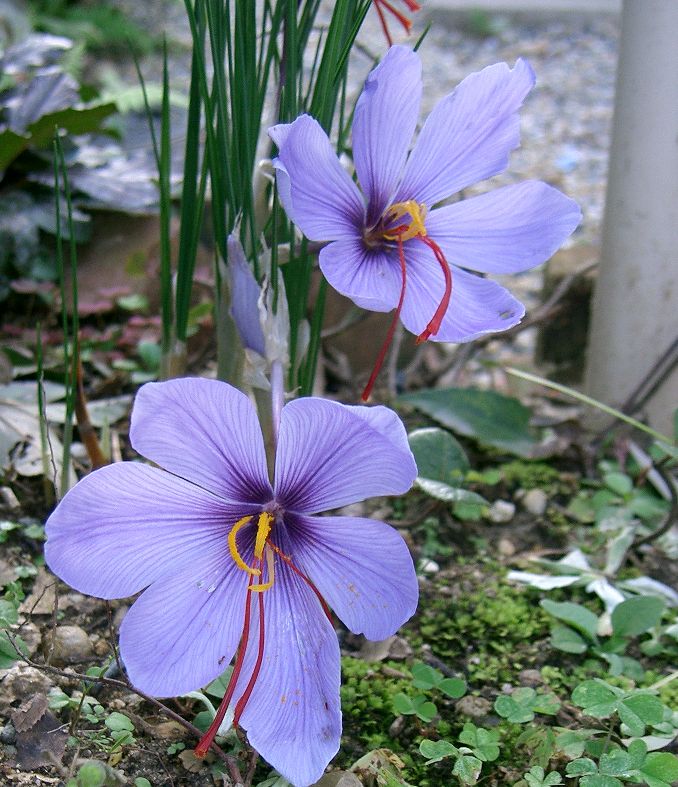 Saffron crocusCrocus sativus
The purple autumn flower whose red stigmas yield the spice saffron
🇨🇳 China and 1 more · Garden flower
Saffron crocusCrocus sativus
The purple autumn flower whose red stigmas yield the spice saffron
🇨🇳 China and 1 more · Garden flower
More from Lebanon
All the flowers of Lebanon FennelFoeniculum vulgare
A tall, aromatic herb with feathery leaves and yellow umbels, used for food and spice
🇨🇳 China and 7 more · Herb or useful flower
FennelFoeniculum vulgare
A tall, aromatic herb with feathery leaves and yellow umbels, used for food and spice
🇨🇳 China and 7 more · Herb or useful flower
 HyacinthHyacinthus
A spring-blooming bulb with fragrant, colourful flower spikes
🇹🇷 Turkey and 7 more · Bulb flower
HyacinthHyacinthus
A spring-blooming bulb with fragrant, colourful flower spikes
🇹🇷 Turkey and 7 more · Bulb flower
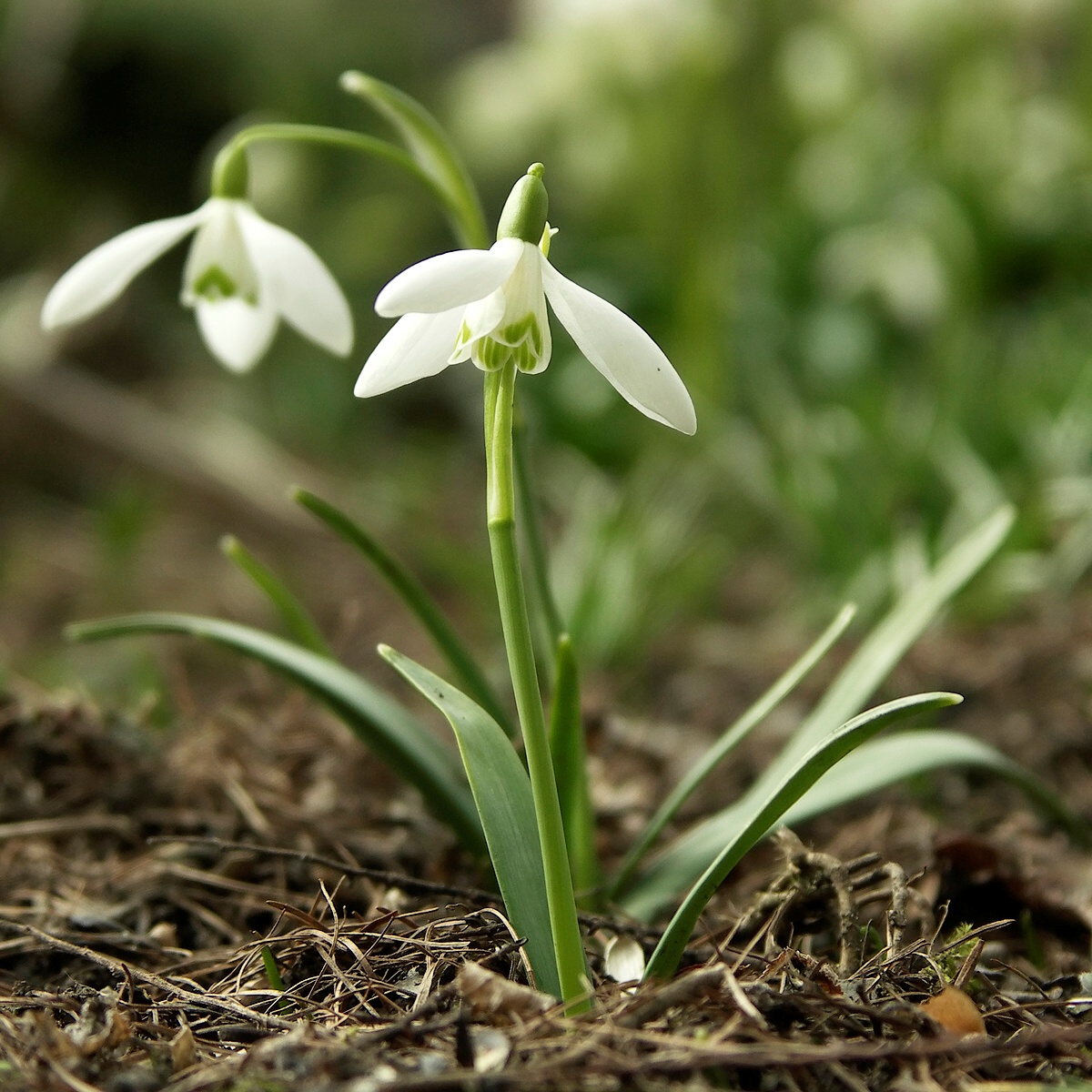 SnowdropGalanthus
White bell-shaped flowers that bloom at the end of winter
🇹🇷 Turkey and 7 more · Wildflower
SnowdropGalanthus
White bell-shaped flowers that bloom at the end of winter
🇹🇷 Turkey and 7 more · Wildflower
 Orchis
A group of wild orchids with tuberous roots from Europe, North Africa and Asia
🇹🇷 Turkey and 7 more · Wildflower
Orchis
A group of wild orchids with tuberous roots from Europe, North Africa and Asia
🇹🇷 Turkey and 7 more · Wildflower