
Petticoat daffodil
Narcissus bulbocodium, family Amaryllidaceae
A small daffodil with a wide, flaring yellow trumpet
Petticoat daffodil is a low-growing bulb from the daffodil family, found in parts of France, Spain, and Portugal. It is known for its bright yellow, flared flowers that appear in spring and are grown in gardens or naturalized in grassy areas.
- Native to southwestern France, Spain, and Portugal
- Flowers have a large, flared yellow trumpet
- Grows only 10–15 cm tall from a bulb
- Parent to several daffodil hybrids
- Recognized by the Royal Horticultural Society for garden merit
What does Petticoat daffodil look like?
This plant grows from a bulb and reaches about 10 to 15 cm tall. Its leaves are fine and shaped like blades of grass. The flowers are striking for their large, funnel-like yellow trumpets, much bigger than the narrow, pointed outer petals. The overall look is delicate, with the flower resembling a flared skirt. Some forms have paler yellow blooms.
Where does Petticoat daffodil come from?
Petticoat daffodil is native to the southwestern parts of Europe, especially in France, Spain, and Portugal. Some earlier reports included Morocco, but those plants are now considered different species. The Latin name 'bulbocodium' refers to its woolly-looking bulb. Over time, it has become popular in gardens outside its native range.
When and how Petticoat daffodil blooms
The plant blooms in spring, sending up its flowers from bulbs planted in the ground. It prefers dry soil during the summer when it is dormant, making it a good choice for planting under trees that lose their leaves in winter. Gardeners often grow it in borders or allow it to spread naturally in grassy spots. Several cultivated varieties exist, including those with paler or deeper yellow flowers.


How Petticoat daffodil is used
Gardeners value this daffodil for its unusual shape and early spring color. It is often used to brighten lawns or garden beds and can be left to naturalize, returning year after year. Its compact size makes it suitable for small gardens or rockeries. It is not commonly used for cut flowers or in ceremonies.
Kinds of Petticoat daffodil
There are several forms and hybrids involving this species, such as crosses with other daffodils like N. jonquilla and N. asturiensis. Cultivated varieties include 'Golden Bells', which has deep yellow, long-lasting flowers, and a pale yellow form called var. conspicuus. These offer gardeners a range of looks within the same species.
What Petticoat daffodil means
The petticoat daffodil has been recognized for its value in gardens, earning a notable award from the Royal Horticultural Society. While not tied to specific traditions or symbolism, its distinct appearance and ease of growth have made it a favorite among bulb enthusiasts. It is mainly appreciated for its ornamental qualities.
Where Petticoat daffodil is used and seen
 History of flower arrangementHow arranging flowers became an art across cultures and centuries
 ChapletA ring-shaped headpiece woven from flowers, leaves, or twigs
 Lunar New Year FairA festive flower market held before Lunar New Year in Cantonese communities
 Dutch gardenA formal, geometric flower garden style from the Netherlands
 Chinese New YearThe Spring Festival marked by red decorations, family gatherings, and flower displays
Questions people ask about Petticoat daffodil
Where does the petticoat daffodil come from?
It is native to southern and western France, Spain, and Portugal, where it grows wild in grassy areas. Some earlier sources included Morocco, but those plants are now considered separate species.
What does the petticoat daffodil look like?
It is a small plant with grass-like leaves and a bright yellow flower shaped like a wide trumpet. The trumpet is much larger than the narrow outer petals, giving the flower a flared, skirt-like look.
How is this daffodil used?
Gardeners plant it in lawns, borders, or rock gardens for its early spring color and unusual shape. It is valued for naturalizing in grass and is not commonly used as a cut flower.
Are there different types of petticoat daffodil?
Yes, there are several cultivated varieties with different shades of yellow, and it has been used to create hybrids with other daffodil species.
Does the petticoat daffodil have any special meaning?
It is mainly grown for its ornamental value and is not strongly linked to any particular symbolism or tradition.
Good reading and sources
- Narcissus bulbocodium (13)Royal Horticultural Society, Article
- USDA Plants DatabaseUS Department of Agriculture, Article
- Plants of the World OnlineRoyal Botanic Gardens, Kew, Plant database
- Where it has been recordedGBIF, Plant database
- Sightings and photos by naturalistsiNaturalist, Plant database
- Narcissus bulbocodium on WikipediaEncyclopedia
- More photos on Wikimedia CommonsPhotos
- Wikidata recordOpen data
The facts on this page come from the Wikipedia article "Narcissus bulbocodium", written by its contributors and used under the CC BY-SA 4.0 licence, and from its Wikidata record (CC0). Phool rewrote the text in its own words, with AI assistance, and compares every page with the article to make sure no passage is copied. It may be reused under the same CC BY-SA 4.0 licence with a link back.
It may contain mistakes. It is not medical or foraging advice: many flowers are poisonous, and traditional uses are reported, not recommended. If something is wrong, tell us. Last refreshed 2026-10-03.
Others in the family Amaryllidaceae
The whole family Narcissus
Spring-flowering bulbs with trumpet-shaped blooms in white, yellow, and orange
🇬🇧 United Kingdom and 7 more · Wildflower
Narcissus
Spring-flowering bulbs with trumpet-shaped blooms in white, yellow, and orange
🇬🇧 United Kingdom and 7 more · Wildflower
 Allium
The genus of onions, garlic, leeks, chives and their wild relatives
Allium · Wildflower
Allium
The genus of onions, garlic, leeks, chives and their wild relatives
Allium · Wildflower
 Wild GarlicAllium ursinum
A wild woodland plant with star-shaped white flowers and edible leaves
🇮🇪 Ireland · Wildflower
Wild GarlicAllium ursinum
A wild woodland plant with star-shaped white flowers and edible leaves
🇮🇪 Ireland · Wildflower
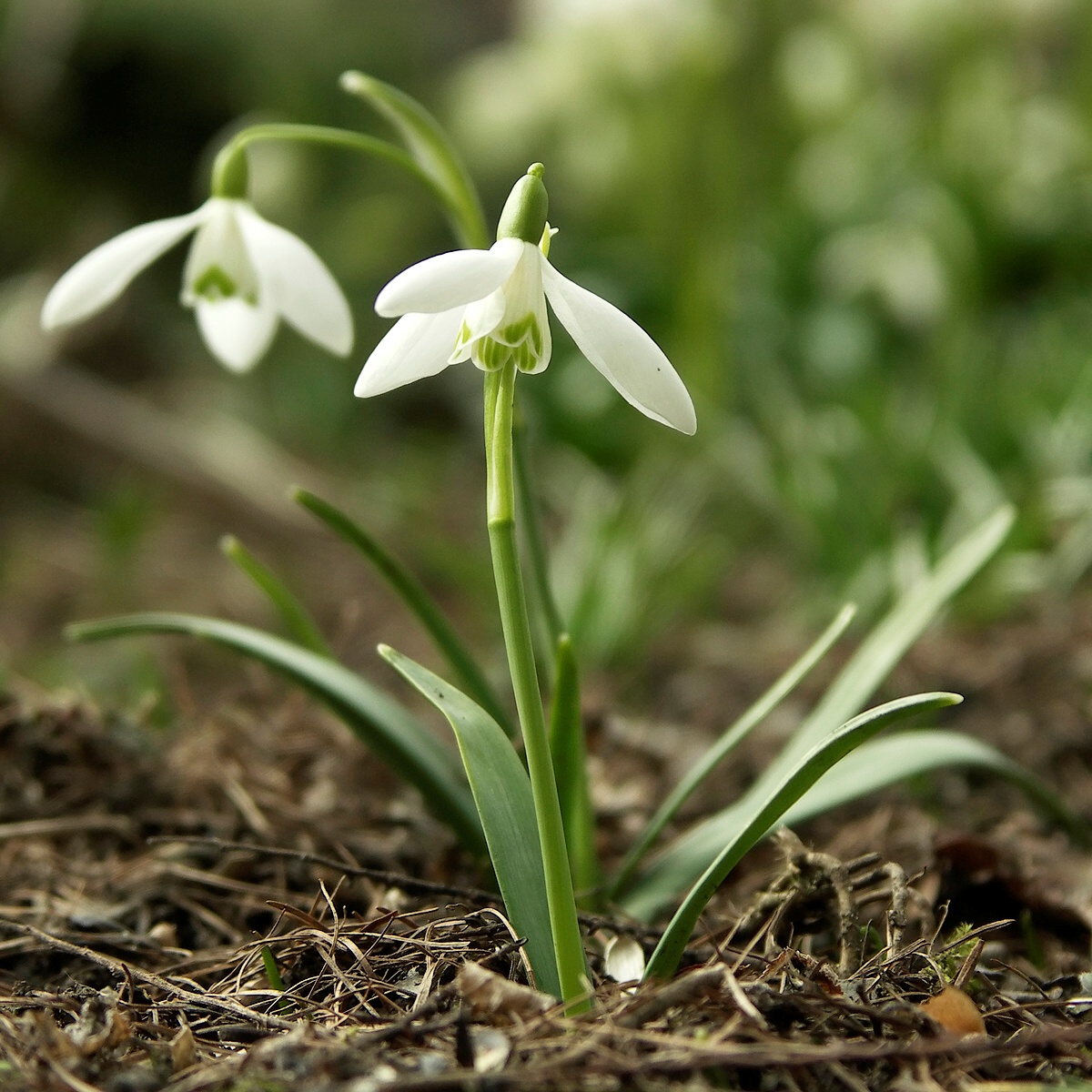 SnowdropGalanthus
White bell-shaped flowers that bloom at the end of winter
🇹🇷 Turkey and 7 more · Wildflower
SnowdropGalanthus
White bell-shaped flowers that bloom at the end of winter
🇹🇷 Turkey and 7 more · Wildflower
More from France
All the flowers of France TulipTulipa
Spring-blooming bulbs with showy, cup-shaped flowers in many colours
🇳🇱 Netherlands and 7 more · Wildflower
TulipTulipa
Spring-blooming bulbs with showy, cup-shaped flowers in many colours
🇳🇱 Netherlands and 7 more · Wildflower
 Common flaxLinum usitatissimum
The slender blue-flowered plant grown for linen and linseed
🇨🇳 China and 7 more · Wildflower
Common flaxLinum usitatissimum
The slender blue-flowered plant grown for linen and linseed
🇨🇳 China and 7 more · Wildflower
 Chrysanthemum菊花
Autumn-blooming flower with thousands of varieties, cherished in East Asia and beyond
🇨🇳 China and 6 more · Wildflower
Chrysanthemum菊花
Autumn-blooming flower with thousands of varieties, cherished in East Asia and beyond
🇨🇳 China and 6 more · Wildflower
 LindenTilia
Tall, broad-leaved trees with fragrant yellow flowers and heart-shaped leaves
🇨🇳 China and 7 more · Flowering tree
LindenTilia
Tall, broad-leaved trees with fragrant yellow flowers and heart-shaped leaves
🇨🇳 China and 7 more · Flowering tree