
Paperwhite narcissus
Narcissus papyraceus, family Amaryllidaceae
A white, fragrant daffodil from the Mediterranean grown indoors for winter bloom
Paperwhite narcissus is a bulb plant from the Mediterranean, found from Greece to Portugal and North Africa. It grows upright stems topped with clusters of white, strongly scented flowers. Often forced to bloom indoors in winter, it is popular as a house plant, especially around Christmas.
- Native from Greece to Portugal, Morocco and Algeria
- Clusters of white, strongly scented flowers
- Easily forced to bloom indoors in winter
- Does not require chilling to flower
- Often grown as a house plant at Christmas
What does Paperwhite narcissus look like?
Paperwhite narcissus is a perennial bulb plant with upright, mid-green stems reaching 30 to 45 cm tall. At the top of each stem, several white flowers cluster together. The flowers are notable for their strong, sweet fragrance. The overall look is delicate and fresh, with slender leaves and a tidy, upright habit. Paperwhites are part of the daffodil family and are often grown for their winter blooms indoors.
Where does Paperwhite narcissus come from?
Native to the Mediterranean region, Narcissus papyraceus grows wild from Greece to Portugal, as well as in Morocco and Algeria. The species has become naturalized in places such as the Azores, Corsica, and parts of the southern United States, including Texas, California, and Louisiana. Its name comes from the Latin for 'paper-like', referring to the delicate texture of its white petals. Over time, it has become a popular plant for indoor forcing, especially in winter.
When and how Paperwhite narcissus blooms
Paperwhites are usually grown from bulbs, which begin to sprout as soon as they are planted. They do not need a cold period to flower, unlike many other daffodils. Indoors, bulbs are often placed in moist, peat moss-based potting mix or even in shallow containers of water. With cool temperatures and indirect light, flowers appear in three to four weeks, making them a favorite for winter and holiday displays.


How Paperwhite narcissus is used
Paperwhite narcissus is most often grown indoors as a house plant, especially during winter when few other flowers bloom. It is popular for holiday decoration and as a seasonal gift, with its strong scent and bright white flowers bringing freshness to winter interiors. It is also sometimes grown in gardens in mild climates, but is best known for indoor forcing.
Kinds of Paperwhite narcissus
There are several cultivars of paperwhite narcissus, offering slight differences in flower shape, size, and fragrance. All share the characteristic white blooms and strong scent. The species is one of a few daffodils called 'paperwhite', but Narcissus papyraceus is the most commonly grown for indoor winter flowers.
What Paperwhite narcissus means
Paperwhites are closely linked with winter and Christmas traditions, especially in Europe and North America, where they are forced to bloom indoors for seasonal decoration. Their fresh white flowers and strong fragrance make them a symbol of renewal and brightness during the darker months. They are not tied to particular religious or national symbolism in the sources.
Where Paperwhite narcissus is used and seen
 TếtVietnam's spring new year festival with flowers, family, and lucky customs
 History of flower arrangementHow arranging flowers became an art across cultures and centuries
 ChapletA ring-shaped headpiece woven from flowers, leaves, or twigs
 Lunar New Year FairA festive flower market held before Lunar New Year in Cantonese communities
 Dutch gardenA formal, geometric flower garden style from the Netherlands
 Chinese New YearThe Spring Festival marked by red decorations, family gatherings, and flower displays
Questions people ask about Paperwhite narcissus
Where does the paperwhite narcissus come from?
Paperwhite narcissus is native to the Mediterranean region, growing wild from Greece to Portugal, as well as in Morocco and Algeria.
What does the paperwhite narcissus look and smell like?
It has upright, mid-green stems topped with clusters of white flowers. The flowers are strongly fragrant, with a sweet scent.
How is the paperwhite narcissus used?
It is most often grown indoors as a house plant, especially in winter. People force the bulbs to bloom for holiday decoration and as gifts.
Does the paperwhite narcissus need a cold period to bloom?
No, unlike many other daffodils, paperwhite narcissus bulbs do not require chilling and will start growing as soon as they are planted.
Is the paperwhite narcissus related to other daffodils?
Yes, it is part of the genus Narcissus, which includes all daffodils.
Good reading and sources
- USDA Plants DatabaseUS Department of Agriculture, Article
- Plants of the World OnlineRoyal Botanic Gardens, Kew, Plant database
- Where it has been recordedGBIF, Plant database
- Sightings and photos by naturalistsiNaturalist, Plant database
- Narcissus papyraceus on WikipediaEncyclopedia
- More photos on Wikimedia CommonsPhotos
- Wikidata recordOpen data
The facts on this page come from the Wikipedia article "Narcissus papyraceus", written by its contributors and used under the CC BY-SA 4.0 licence, and from its Wikidata record (CC0). Phool rewrote the text in its own words, with AI assistance, and compares every page with the article to make sure no passage is copied. It may be reused under the same CC BY-SA 4.0 licence with a link back.
It may contain mistakes. It is not medical or foraging advice: many flowers are poisonous, and traditional uses are reported, not recommended. If something is wrong, tell us. Last refreshed 2026-10-03.
Others in the family Amaryllidaceae
The whole family Wild GarlicAllium ursinum
A wild woodland plant with star-shaped white flowers and edible leaves
🇮🇪 Ireland · Wildflower
Wild GarlicAllium ursinum
A wild woodland plant with star-shaped white flowers and edible leaves
🇮🇪 Ireland · Wildflower
 Allium
The genus of onions, garlic, leeks, chives and their wild relatives
Allium · Wildflower
Allium
The genus of onions, garlic, leeks, chives and their wild relatives
Allium · Wildflower
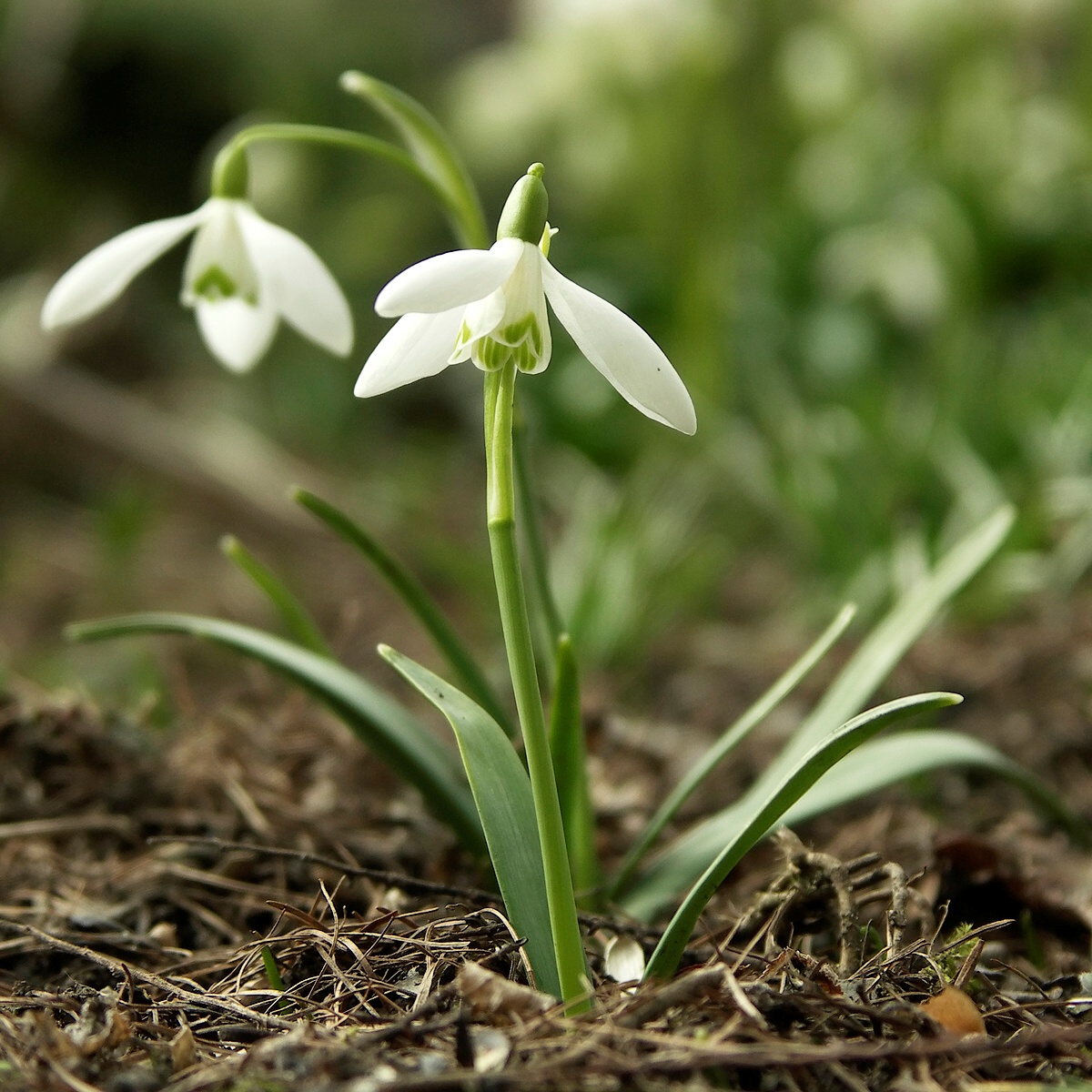 SnowdropGalanthus
White bell-shaped flowers that bloom at the end of winter
🇹🇷 Turkey and 7 more · Wildflower
SnowdropGalanthus
White bell-shaped flowers that bloom at the end of winter
🇹🇷 Turkey and 7 more · Wildflower
 Leucojum
White-flowered bulbs of damp meadows and shady gardens
🇪🇸 Spain and 6 more · Wildflower
Leucojum
White-flowered bulbs of damp meadows and shady gardens
🇪🇸 Spain and 6 more · Wildflower
More from Greece
All the flowers of Greece TulipTulipa
Spring-blooming bulbs with showy, cup-shaped flowers in many colours
🇳🇱 Netherlands and 7 more · Wildflower
TulipTulipa
Spring-blooming bulbs with showy, cup-shaped flowers in many colours
🇳🇱 Netherlands and 7 more · Wildflower
 Narcissus
Spring-flowering bulbs with trumpet-shaped blooms in white, yellow, and orange
🇬🇧 United Kingdom and 7 more · Wildflower
Narcissus
Spring-flowering bulbs with trumpet-shaped blooms in white, yellow, and orange
🇬🇧 United Kingdom and 7 more · Wildflower
 Bay laurelLaurus nobilis
Evergreen tree with aromatic leaves used as bay leaf in cooking
🇬🇷 Greece and 9 more · Flowering tree
Bay laurelLaurus nobilis
Evergreen tree with aromatic leaves used as bay leaf in cooking
🇬🇷 Greece and 9 more · Flowering tree
 Bitter orangeCitrus × aurantium
The citrus tree behind Seville orange marmalade and Neroli oil
🇨🇳 China and 6 more · Flowering tree
Bitter orangeCitrus × aurantium
The citrus tree behind Seville orange marmalade and Neroli oil
🇨🇳 China and 6 more · Flowering tree