🇮🇳 The flowers of India
234 pages from India: its flowers, the things made with them and the places to see them, across 60 cities and regions.
India’s flowering plants are among the most varied on Earth, with over 18,000 species thriving across its many climates. From Himalayan conifers to tropical rainforests and dry plains, each region supports its own mix of wildflowers and trees. India is also known for its wealth of medicinal plants and high number of unique native species.
- India has over 18,000 species of flowering plants.
- Eight main floristic regions divide the country’s plant life.
- More than 3,000 species are used in traditional medicine.
- The Andaman Islands are known for mangrove forests.
- About 1,336 plant species are threatened by habitat loss.
The plant life of India
India’s plant life is shaped by its wide range of climates, from tropical to alpine. The country supports more than 18,000 species of flowering plants, making up a significant share of the world’s total. Forests cover about a fifth of the land, with broad-leaved deciduous trees like sal and teak common in many areas. Conifers such as pine and deodar grow in the high northern mountains, while tropical rainforests are found in the Andaman Islands, the Western Ghats, and the northeast. Each region’s unique conditions have led to a remarkable diversity of flowers and trees.
From region to region in India
The flora shifts dramatically from one part of India to another. The Himalayas are home to conifers and alpine flowers, while Assam and the northeast have evergreen forests. The Indus plain is drier, supporting tough, drought-resistant plants. Central and southern India feature dry forests dominated by teak, and the Deccan and western Gangetic plain have thorny vegetation. The Andaman Islands are noted for their mangroves and rainforests, and the Malabar region supports both lush woods and plantations.
Flowers to know in India
India is rich in endemic flowering plants, with many species found nowhere else. Sal and teak are two of the most widespread and important trees. Pines, junipers, and deodars are typical in the Himalayas. The country also has a long tradition of using over 3,000 plant species for medicine, and more than 800 are used by tribal communities. The Andaman Islands stand out for their unique mangrove species.
How flowers are used in India
Plants have been central to Indian life for centuries, especially as sources of traditional medicine. Thousands of species are officially recognized for their medicinal value, and many are still used by tribal groups. Plantation crops are important in regions like Malabar. Ethnobotanical research continues to document how people use native flowers and plants.
Threats and protection in India
Habitat loss threatens over 1,300 plant species in India, with about 20 possibly extinct. Conservation efforts include the publication of a Red Data Book by the Botanical Survey of India, which lists endangered plants. Forest cover remains below the national target, and protecting rare and endemic species is an ongoing concern.
The facts in this overview come from the Wikipedia article "Flora of India", written by its contributors and used under the CC BY-SA 4.0 licence. Phool rewrote the text in its own words, with AI assistance, and compares every page with the article to make sure no passage is copied. It may be reused under the same CC BY-SA 4.0 licence with a link back.
Flower experiences in India
 🇮🇳 Mumbai · All yearDadar flower market at dawnMumbai's wholesale flower market beside Dadar station, at its busiest before the city has had breakfast.
 🇮🇳 Kolkata · All yearMullick Ghat flower market under Howrah BridgeA crowded riverside flower market on the Hooghly, in the shadow of Howrah Bridge.
 🇮🇳 Bengaluru · All yearKR Market flower hallBengaluru's old city market, where the flower floor is best seen from the stairs above.
 🇮🇳 Chennai · All yearKoyambedu wholesale flower marketThe flower block of Chennai's vast Koyambedu wholesale complex, busiest before sunrise.
 🇮🇳 Madurai · All yearMadurai malli at the Mattuthavani flower marketThe wholesale market that sets the daily price of Madurai malli, the jasmine the city is famous for.
🇮🇳 Delhi · All yearGhazipur phool mandiDelhi's wholesale flower market in the east of the city, where the capital's bouquets and garlands begin.
🇮🇳 Madurai · All yearMadurai malli at the Mattuthavani flower marketThe wholesale market that sets the daily price of Madurai malli, the jasmine the city is famous for.
🇮🇳 Delhi · All yearGhazipur phool mandiDelhi's wholesale flower market in the east of the city, where the capital's bouquets and garlands begin.Cities and regions of India
 Place
Kannauj
Historic city in Uttar Pradesh known for traditional attar and flower perfumes
Kannauj, 🇮🇳 India · Flower market
Place
Kannauj
Historic city in Uttar Pradesh known for traditional attar and flower perfumes
Kannauj, 🇮🇳 India · Flower market
 Place
Rose garden
A public garden devoted to growing and displaying many kinds of roses
L'Haÿ-les-Roses, 🇫🇷 France · Flower garden
Place
Rose garden
A public garden devoted to growing and displaying many kinds of roses
L'Haÿ-les-Roses, 🇫🇷 France · Flower garden
 Place
Sim's Park, Coonoor
A century-old botanical garden in the Nilgiri hills of Tamil Nadu
Coonoor, 🇮🇳 India · Botanical garden, May
Place
Sim's Park, Coonoor
A century-old botanical garden in the Nilgiri hills of Tamil Nadu
Coonoor, 🇮🇳 India · Botanical garden, May
 Place
Shalimar Bagh
A Mughal-era garden of terraces, fountains and chinar trees by Dal Lake, Srinagar
Srinagar, 🇮🇳 India · Flower garden
Place
Shalimar Bagh
A Mughal-era garden of terraces, fountains and chinar trees by Dal Lake, Srinagar
Srinagar, 🇮🇳 India · Flower garden
 Place
Chashme Shahi
A Mughal garden built around a spring in Srinagar, Kashmir
Srinagar, 🇮🇳 India · Flower garden, Mar to Nov
Place
Chashme Shahi
A Mughal garden built around a spring in Srinagar, Kashmir
Srinagar, 🇮🇳 India · Flower garden, Mar to Nov
 Place
Yadavindra Gardens
A 17th-century Mughal garden with seven terraces in Pinjore, Haryana
Panchkula, 🇮🇳 India · Flower garden, Apr to Dec
Place
Yadavindra Gardens
A 17th-century Mughal garden with seven terraces in Pinjore, Haryana
Panchkula, 🇮🇳 India · Flower garden, Apr to Dec
 Place
Achabal Gardens
A historic Mughal garden with springs and a waterfall in Achabal, Jammu and Kashmir
Achabal, 🇮🇳 India · Flower garden
Place
Achabal Gardens
A historic Mughal garden with springs and a waterfall in Achabal, Jammu and Kashmir
Achabal, 🇮🇳 India · Flower garden
 Place
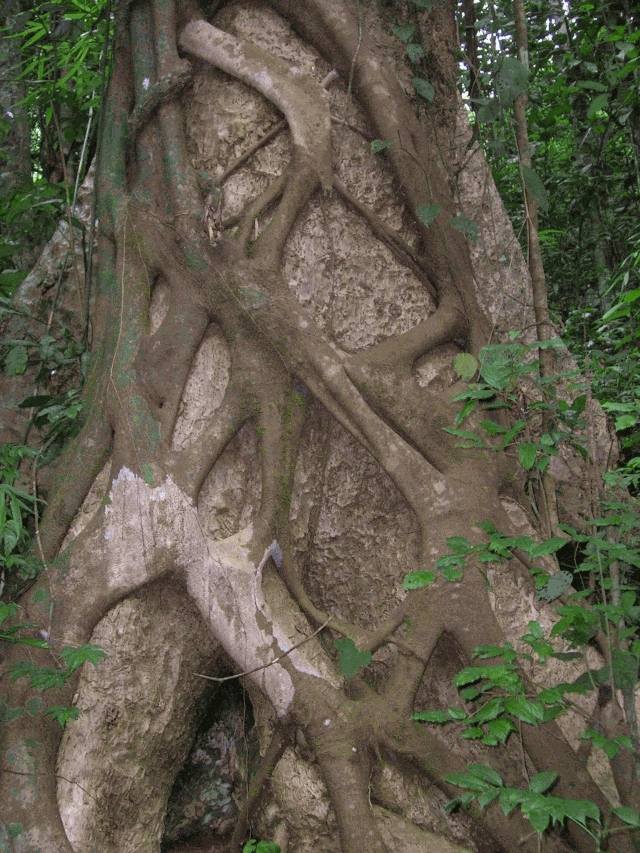
Tropical Botanical Garden and Research Institute
A major botanical garden and research centre in Thiruvananthapuram, Kerala
Thiruvananthapuram, 🇮🇳 India · Botanical garden
Place
Tropical Botanical Garden and Research Institute
A major botanical garden and research centre in Thiruvananthapuram, Kerala
Thiruvananthapuram, 🇮🇳 India · Botanical garden
 Place
Ward's LakeNan Polok
A man-made lake and garden in the heart of Shillong, Meghalaya
Shillong, 🇮🇳 India · Flower garden
Place
Ward's LakeNan Polok
A man-made lake and garden in the heart of Shillong, Meghalaya
Shillong, 🇮🇳 India · Flower garden
 Place
Indira Gandhi Memorial Tulip Garden
Asia’s largest tulip garden on the slopes above Dal Lake in Srinagar
Srinagar, 🇮🇳 India · Flower garden, Mar to Apr
Place
Indira Gandhi Memorial Tulip Garden
Asia’s largest tulip garden on the slopes above Dal Lake in Srinagar
Srinagar, 🇮🇳 India · Flower garden, Mar to Apr
 Place
Agri-Horticultural Society of India
Kolkata’s historic garden and centre for plant lovers
Kolkata, 🇮🇳 India · Botanical garden
Place
Agri-Horticultural Society of India
Kolkata’s historic garden and centre for plant lovers
Kolkata, 🇮🇳 India · Botanical garden
 Place
Government Rose Garden
A hillside rose garden in Ooty with thousands of rose varieties
Ooty, 🇮🇳 India · Botanical garden
Place
Government Rose Garden
A hillside rose garden in Ooty with thousands of rose varieties
Ooty, 🇮🇳 India · Botanical garden
 Place
Nishat Bagh
A grand terraced Mughal garden on the banks of Dal Lake in Srinagar
Srinagar, 🇮🇳 India · Flower garden
Place
Nishat Bagh
A grand terraced Mughal garden on the banks of Dal Lake in Srinagar
Srinagar, 🇮🇳 India · Flower garden
 Place
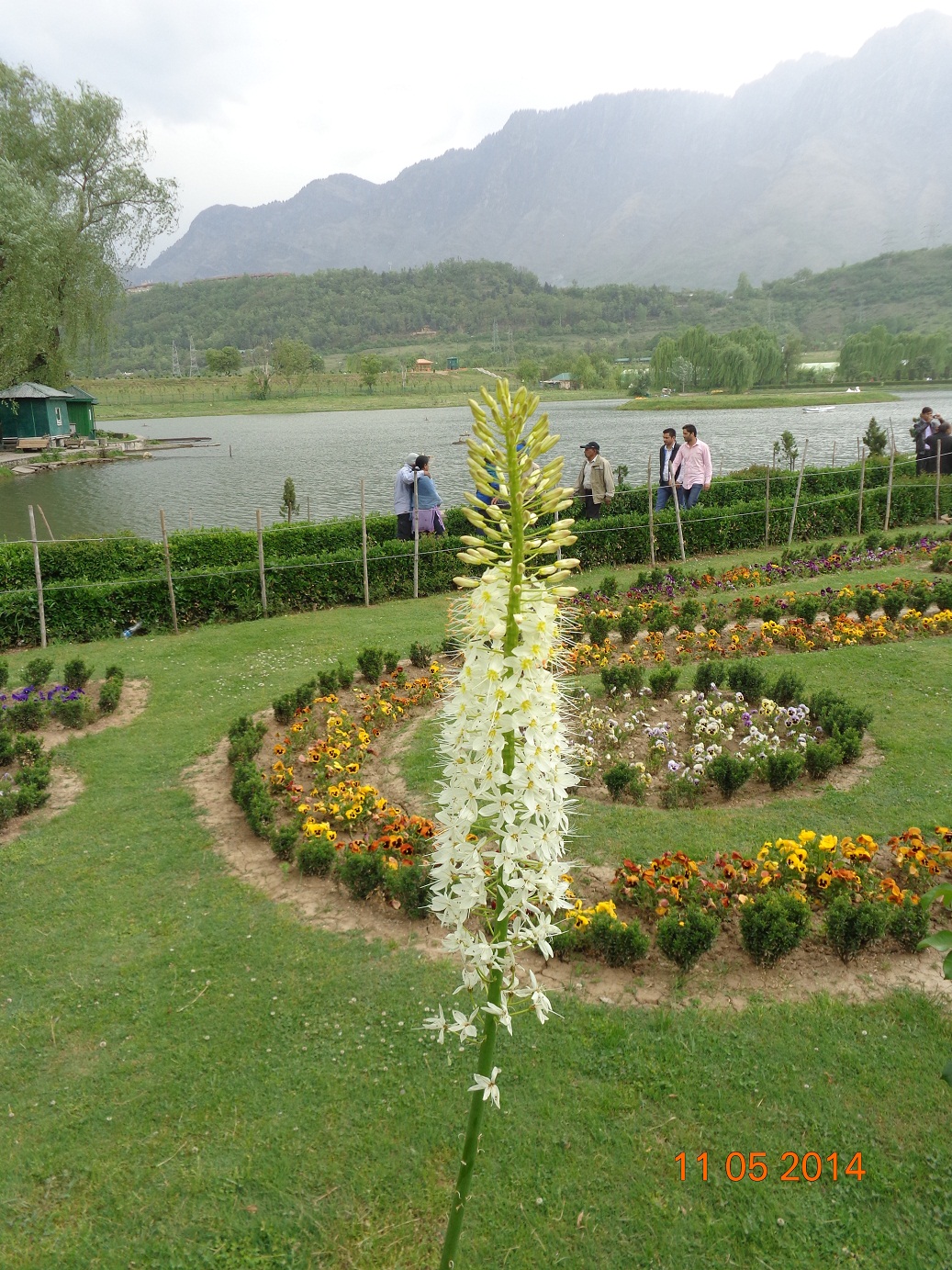
Jawaharlal Nehru Memorial Botanical Garden
A large botanical garden in Srinagar with thousands of ornamental plants
Srinagar, 🇮🇳 India · Botanical garden
Place
Jawaharlal Nehru Memorial Botanical Garden
A large botanical garden in Srinagar with thousands of ornamental plants
Srinagar, 🇮🇳 India · Botanical garden
 Place
Mehtab Bagh
A Mughal riverside garden facing the Taj Mahal in Agra
Agra, 🇮🇳 India · Flower garden
Place
Ekamra Kanan
The largest botanical garden and park in Bhubaneswar, Odisha
Bhubaneswar, 🇮🇳 India · Botanical garden
Place
Mehtab Bagh
A Mughal riverside garden facing the Taj Mahal in Agra
Agra, 🇮🇳 India · Flower garden
Place
Ekamra Kanan
The largest botanical garden and park in Bhubaneswar, Odisha
Bhubaneswar, 🇮🇳 India · Botanical garden
 Place
Acharya Jagadish Chandra Bose Indian Botanic Garden
India’s oldest botanic garden, home to rare plants and the world’s largest banyan tree
Howrah, 🇮🇳 India · Botanical garden
Place
Acharya Jagadish Chandra Bose Indian Botanic Garden
India’s oldest botanic garden, home to rare plants and the world’s largest banyan tree
Howrah, 🇮🇳 India · Botanical garden
 Place
Sisodia Rani Garden and Palaceसिसोदिया रानी बाग
A historic terraced garden and palace just outside Jaipur, Rajasthan
Jaipur, 🇮🇳 India · Flower garden
Place
Sisodia Rani Garden and Palaceसिसोदिया रानी बाग
A historic terraced garden and palace just outside Jaipur, Rajasthan
Jaipur, 🇮🇳 India · Flower garden
 Place
Lalbagh Botanical Garden
Historic botanical garden and flower show venue in Bengaluru, India
Bengaluru, 🇮🇳 India · Botanical garden, Jan to Aug
Place
Lalbagh Botanical Garden
Historic botanical garden and flower show venue in Bengaluru, India
Bengaluru, 🇮🇳 India · Botanical garden, Jan to Aug
 Place
Khusro Bagh
A walled Mughal garden and tomb complex in Prayagraj, India
Prayagraj, 🇮🇳 India · Flower garden
Place
Khusro Bagh
A walled Mughal garden and tomb complex in Prayagraj, India
Prayagraj, 🇮🇳 India · Flower garden
 Place
Cubbon Park
A historic green heart in central Bengaluru
Bengaluru, 🇮🇳 India · Flower garden
Place
Cubbon Park
A historic green heart in central Bengaluru
Bengaluru, 🇮🇳 India · Flower garden
 Place
Thrikkakara Temple
Kerala temple at the heart of Onam festival traditions
Kochi, 🇮🇳 India · Festival or show, Aug to Sep
Place
Thrikkakara Temple
Kerala temple at the heart of Onam festival traditions
Kochi, 🇮🇳 India · Festival or show, Aug to Sep
 Place
Zakir Husain Rose Garden
A vast rose garden and festival site in Chandigarh, India
Chandigarh, 🇮🇳 India · Flower garden, Jan to Dec
Place
Zakir Husain Rose Garden
A vast rose garden and festival site in Chandigarh, India
Chandigarh, 🇮🇳 India · Flower garden, Jan to Dec
 Place
Thovalai
A Tamil Nadu village known for its jasmine flower market and temples
Nagercoil, 🇮🇳 India · Flower market
Place
Thovalai
A Tamil Nadu village known for its jasmine flower market and temples
Nagercoil, 🇮🇳 India · Flower market
Photo credits on this page
The small pictures above come from Wikimedia Commons under free licences. Some are cropped to fit.
- Kannauj: Nature lusty vikash, CC BY-SA 4.0, source
- Rose garden: The original uploader was SUJIRENas at Lithuanian Wikipedia ., CC BY-SA 3.0, source
- Sim's Park, Coonoor: Thangaraj Kumaravel, CC BY 2.0, source
- Shalimar Bagh: ANSAR AHMAD, CC BY-SA 4.0, source
- Yadavindra Gardens: Giridhar Appaji Nag Y, CC BY 2.0, source
- Chashme Shahi: Amitraina at English Wikipedia, Public domain, source
- Achabal Gardens: Shaurya, CC BY-SA 3.0, source
- Tropical Botanical Garden and Research Institute: No machine-readable author provided. Shyamal assumed (based on copyrig, CC BY 2.5, source
- Ward's Lake: ANKAN, CC BY-SA 4.0, source
- Indira Gandhi Memorial Tulip Garden: Kevin.abraham335, CC BY-SA 4.0, source
- Agri-Horticultural Society of India: Biswarup Ganguly, CC BY 3.0, source
- Government Rose Garden: Challiyan, CC BY-SA 3.0, source
- Nishat Bagh: McKay Savage, CC BY 2.0, source
- Lotus: Peripitus, CC BY-SA 4.0, source
- Jawaharlal Nehru Memorial Botanical Garden: Dvellakat, CC BY-SA 3.0, source
- Mehtab Bagh: :en:Aks khandelwal ( talk | contribs ), Public domain, source
- Acharya Jagadish Chandra Bose Indian Botanic Garden: Jeroje at English Wikipedia ., CC BY-SA 3.0, source
- Sisodia Rani Garden and Palace: Shishir.k 96, CC BY-SA 4.0, source
- Lalbagh Botanical Garden: Chidambara, CC BY-SA 4.0, source
- Khusro Bagh: Harshgupta28, CC BY-SA 4.0, source
- Cubbon Park: Augustus Binu / facebook, CC BY-SA 3.0, source
- Thrikkakara Temple: Ranjithsiji, CC BY-SA 3.0, source
- Zakir Husain Rose Garden: Harvinder Chandigarh, CC BY-SA 4.0, source
- Thovalai: Dr. Chinchu C., CC BY 4.0, source
- Kr Market Bengaluru: Pp391, CC BY-SA 3.0, source
- Dadar Flower Market Mumbai: Swaminathan, CC BY 2.0, source
- Mullick Ghat Flower Market Kolkata: Pradip paswan, CC BY-SA 4.0, source
- Koyambedu Flower Market Chennai: Sudhamshu Hebbar, CC BY 2.0, source
- Madurai Jasmine Market: எஸ்ஸார், CC BY-SA 3.0, source