
Blue flag
Iris versicolor, family Iridaceae
A blue to purple wild iris of eastern North American wetlands
Blue flag is a perennial iris found in marshes and along streams in eastern Canada and the United States. Its flowers, which range from light blue to violet, appear in late spring and early summer. The plant is toxic if eaten, but has been used in traditional medicine and is a symbol for Quebec and Tennessee.
- Native to wetlands in eastern Canada and the United States
- Flowers range from light blue to violet and bloom in late spring
- Official flower of Quebec and widely accepted as Tennessee's state flower
- Toxic if eaten; used in traditional medicine by Native Americans
- Seeds float on water, helping the plant spread
What does Blue flag look like?
Blue flag is a perennial iris that grows in clumps from thick, spreading rhizomes. Its upright stems reach between 10 and 80 centimeters tall. The leaves are flat and fan-shaped, folded along the midrib, and usually over a centimeter wide. Its flowers have six spreading segments, with the outer ones marked by a greenish-yellow patch at the base. The blooms are most often blue or purple, but can show a range of shades. After flowering, the plant produces a three-sided capsule with large seeds that float on water.
Where does Blue flag come from?
This iris is native to the wetlands, meadows, and stream banks of eastern Canada and the eastern United States. It thrives in damp soils and is often found in marshy places. The species name 'versicolor' refers to the variety of colors its flowers can display. Blue flag has been recognized in scientific studies, including its use as a sample species in early statistical research by Ronald Fisher. Over time, it has become a familiar wildflower and garden plant in its home range.
When and how Blue flag blooms
Blue flag blooms from May to July. It grows best in moist, rich soils, especially in areas that stay wet or near water. The plant spreads through its rhizomes, forming dense clumps over time. Seeds are released in the fall, often floating away on water to new locations. Gardeners sometimes grow it for its attractive flowers and ability to thrive in wet spots.


How Blue flag is used
While blue flag is poisonous if eaten, especially to livestock, it has a history of use by Native Americans. They applied preparations from the plant to treat burns, wounds, and swelling, and sometimes used it internally for various ailments. In folk traditions, the root was carried for luck or placed in shops for prosperity. Today, it is mainly valued as a wildflower and as a symbol for Quebec and Tennessee.
Kinds of Blue flag
Blue flag is one of several North American iris species, and is sometimes confused with other wild irises. It is known by many names, including water flag and harlequin blueflag. The purple form is especially recognized in Tennessee and Quebec as a floral emblem.
What Blue flag means
Blue flag holds official status as the provincial flower of Quebec and is widely accepted as the state flower of Tennessee, though the law there does not specify a particular iris species. It also represents the Kappa Pi International Honorary Art Fraternity. The plant’s varied color and wetland habitat make it a familiar sight in art and regional identity.
Where Blue flag is used and seen
 BouquetA creative arrangement of flowers, given or displayed for many occasions
 The Daffodil FestivalPierce County’s spring parade and daffodil celebration since 1934
 Hakone Botanical Garden of WetlandsA garden of wetland and alpine plants in Hakone, Japan
 Parc floral de ParisA botanical garden and flower park in the Bois de Vincennes, Paris
 Parc Floral de la SourceA large public garden in Orléans built around the source of the Loiret river
 KeukenhofA vast Dutch flower garden famous for its spring tulip displays
 KanzashiTraditional Japanese hair ornaments, often crafted as folded silk flowers
 HanafudaJapanese playing cards with flower designs used for traditional games
Questions people ask about Blue flag
Where does blue flag grow naturally?
Blue flag is native to eastern Canada and the eastern United States, where it grows in wetlands, marshes, and along streams and shores.
What does the blue flag flower look like?
The plant has upright stems and fan-shaped leaves, with flowers that are usually blue or purple. The blooms have six spreading segments and a yellow-green patch at the base of the outer petals.
Is blue flag poisonous?
Yes, all parts of the plant, especially the leaves and roots, are toxic if eaten. Ingesting it can cause serious illness in humans and animals.
What is blue flag used for?
Traditionally, Native Americans used blue flag for treating burns and wounds, and sometimes for other ailments. It is also carried in folk customs for luck, but today is mainly valued as a symbol and wildflower.
What does blue flag represent?
Blue flag is the provincial flower of Quebec and is widely recognized as the state flower of Tennessee. It also serves as a symbol for an international art fraternity.
Good reading and sources
- Encyclopaedia BritannicaArticle
- IUCN Red List of Threatened SpeciesIUCN Red List, Article
- USDA Plants DatabaseUS Department of Agriculture, Article
- Plants of the World OnlineRoyal Botanic Gardens, Kew, Plant database
- Where it has been recordedGBIF, Plant database
- Sightings and photos by naturalistsiNaturalist, Plant database
- Iris versicolor on WikipediaEncyclopedia
- More photos on Wikimedia CommonsPhotos
- Wikidata recordOpen data
The facts on this page come from the Wikipedia article "Iris versicolor", written by its contributors and used under the CC BY-SA 4.0 licence, and from its Wikidata record (CC0). Phool rewrote the text in its own words, with AI assistance, and compares every page with the article to make sure no passage is copied. It may be reused under the same CC BY-SA 4.0 licence with a link back.
It may contain mistakes. It is not medical or foraging advice: many flowers are poisonous, and traditional uses are reported, not recommended. If something is wrong, tell us. Last refreshed 2026-10-03.
Others in the family Iridaceae
The whole family Gladiolus
Tall, showy flower spikes grown from corms, known as sword lilies
Gladiolus · Garden flower
Gladiolus
Tall, showy flower spikes grown from corms, known as sword lilies
Gladiolus · Garden flower
 Iris
A large group of perennial flowers with striking, six-lobed blooms
Iris · Wildflower
Iris
A large group of perennial flowers with striking, six-lobed blooms
Iris · Wildflower
 Crocus
Small corm-grown flowers in white, yellow, orange or purple
🇹🇷 Turkey and 7 more · Wildflower
Crocus
Small corm-grown flowers in white, yellow, orange or purple
🇹🇷 Turkey and 7 more · Wildflower
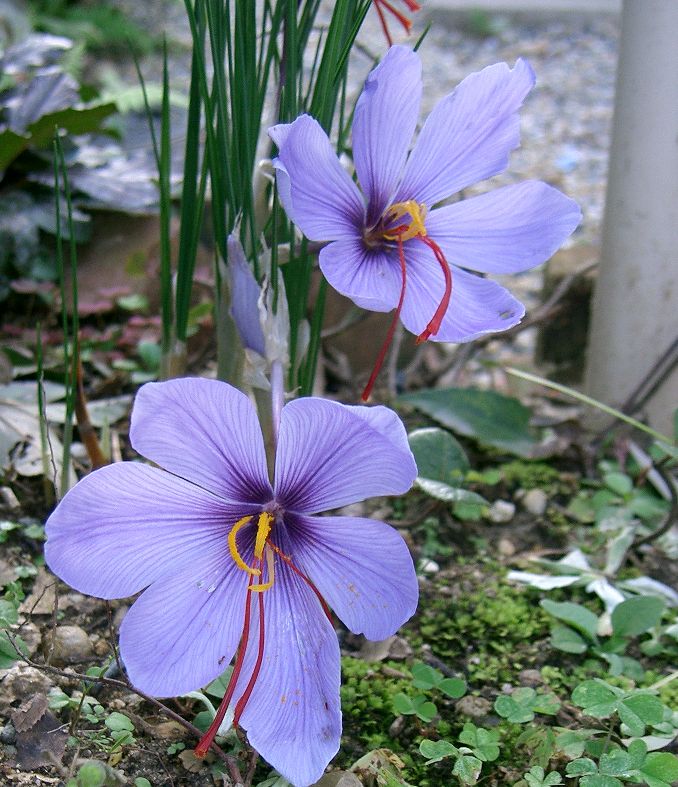 Saffron crocusCrocus sativus
The purple autumn flower whose red stigmas yield the spice saffron
🇨🇳 China and 1 more · Garden flower
Saffron crocusCrocus sativus
The purple autumn flower whose red stigmas yield the spice saffron
🇨🇳 China and 1 more · Garden flower
More from Canada
All the flowers of Canada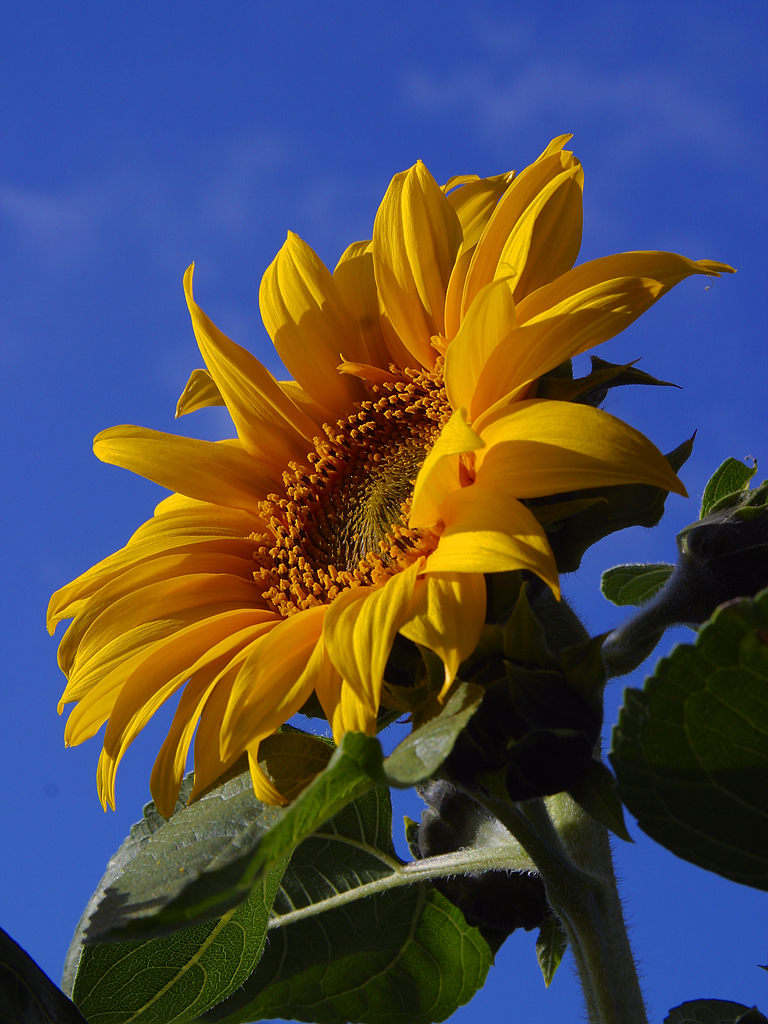 Common sunflowerHelianthus annuus
A tall annual plant grown for its large yellow flower heads and edible seeds
🇨🇦 Canada and 4 more · Wildflower
Common sunflowerHelianthus annuus
A tall annual plant grown for its large yellow flower heads and edible seeds
🇨🇦 Canada and 4 more · Wildflower
 BirchBetula
Slender trees with papery bark found across the northern world
🇨🇳 China and 7 more · Wildflower
BirchBetula
Slender trees with papery bark found across the northern world
🇨🇳 China and 7 more · Wildflower
 CactusCactaceae
Succulent plants with spines, native to the Americas
🇲🇽 Mexico and 7 more · Wildflower
CactusCactaceae
Succulent plants with spines, native to the Americas
🇲🇽 Mexico and 7 more · Wildflower
 TulipTulipa
Spring-blooming bulbs with showy, cup-shaped flowers in many colours
🇳🇱 Netherlands and 7 more · Wildflower
TulipTulipa
Spring-blooming bulbs with showy, cup-shaped flowers in many colours
🇳🇱 Netherlands and 7 more · Wildflower