🇯🇵 The flowers of Japan
217 pages from Japan: its flowers, the things made with them and the places to see them, across 60 cities and regions.
Japan’s plant life is shaped by its wide range of climates, from subtropical islands to snowy mountains. About a third of its roughly 7,000 plant species are found nowhere else. The country is especially known for cherry blossoms, maples, azaleas, and chrysanthemums.
The plant life of Japan
Japan’s flora reflects its long north-south stretch and varied terrain. The country’s mountains, islands, and changing climate—from subtropical in the south to cold temperate in the north—support a rich mix of plants. Forests cover much of the land, with both evergreen and deciduous trees. The diversity is especially high in the southern Ryukyu Islands. Many species are unique to Japan, thanks to its isolation and complex geological history. The mix of monsoons, altitude, and latitude creates distinct plant zones.
From region to region in Japan
In the south, evergreen forests dominate, especially on the Ryukyu Islands, Shikoku, and Kyushu, with trees like Castanopsis and Machilus. Central Japan’s higher ground and Hokkaido’s uplands have summer-green forests, where Japanese beech is common. Subalpine and alpine zones in northern Honshu and Hokkaido support dwarf pines and cushion plants that can survive harsh winters and poor soils. Coastal and inland areas show different mixes of species, shaped by altitude and exposure.
Flowers to know in Japan
Japan is famous for cherry blossoms (sakura), Japanese maple (momiji), azaleas, and chrysanthemums. Many plants, such as Glaucidium palmatum and Anemonopsis macrophylla, are found only in Japan. The country’s forests also feature camellias, oaks, and beech trees. Pine species like Pinus pumila and Pinus amamiana are notable in alpine and island habitats. The diversity of endemic species is especially marked in the southern islands.
Threats and protection in Japan
About 1,690 plant species in Japan are endangered, threatened by habitat loss, over-collection, and climate change. The country maintains a red list of at-risk species and has increased conservation efforts in recent decades. These include research, restoration, and collaboration between government and non-government groups. Despite the threats, Japan has seen some success in protecting its unique plant life.
The facts in this overview come from the Wikipedia article "Flora of Japan", written by its contributors and used under the CC BY-SA 4.0 licence. Phool rewrote the text in its own words, with AI assistance, and compares every page with the article to make sure no passage is copied. It may be reused under the same CC BY-SA 4.0 licence with a link back.
Flower experiences in Japan
 🇯🇵 Tokyo · Feb to NovShinjuku Gyoen through the seasonsA large former imperial garden in central Tokyo with a long cherry season and an autumn chrysanthemum show.
 🇯🇵 Hitachinaka · Apr to OctNemophila hill at Hitachi Seaside ParkA hill by the Pacific covered in small sky-blue flowers in spring and red kochia bushes in autumn.
 🇯🇵 Kanazawa · All yearKenroku-enOne of Japan's most celebrated landscape gardens, with something in flower in almost every season.
🇯🇵 Tokyo · All yearOta Market flower auctionJapan's biggest wholesale flower market, where early risers can watch the auction from a gallery.
🇯🇵 Kanazawa · All yearKenroku-enOne of Japan's most celebrated landscape gardens, with something in flower in almost every season.
🇯🇵 Tokyo · All yearOta Market flower auctionJapan's biggest wholesale flower market, where early risers can watch the auction from a gallery. 🇯🇵 Kyoto · All yearAn ikebana lesson in KyotoLearn the basics of Japanese flower arranging in the city where the art took shape.
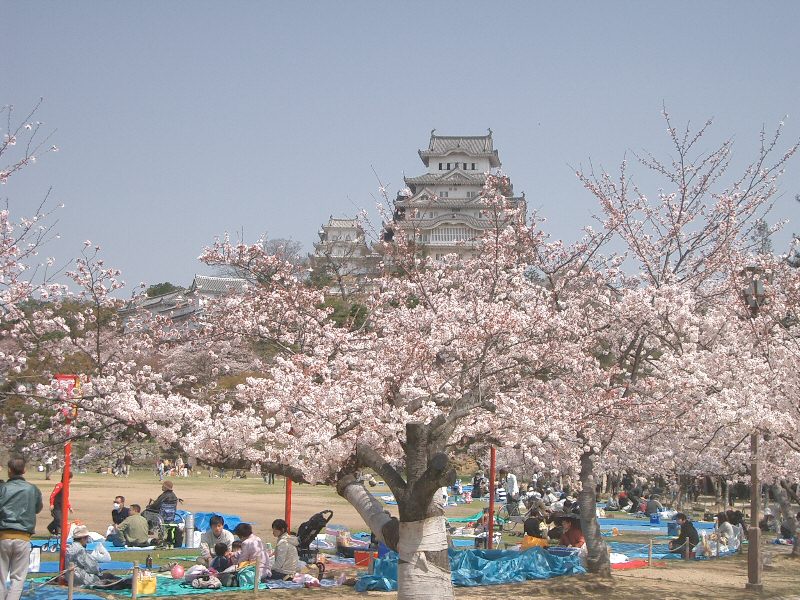 🇯🇵 Tokyo · Mar to AprCherry blossom season in TokyoAbout a week of pale pink along moats, rivers and parks, and the picnics that go with it.
Cities and regions of Japan
Decoration
Hanami花見
The Japanese tradition of gathering to enjoy cherry blossoms in spring
🇯🇵 Japan and 7 more · Custom, Jan to May
 Decoration
National Cherry Blossom Festival全米桜祭り
Spring festival in Washington, D.C. celebrating Japanese cherry trees and friendship
🇺🇸 United States and 1 more · Parade or display, Mar to Apr
Decoration
National Cherry Blossom Festival全米桜祭り
Spring festival in Washington, D.C. celebrating Japanese cherry trees and friendship
🇺🇸 United States and 1 more · Parade or display, Mar to Apr
 Decoration
Kusudama薬玉
A Japanese paper sphere made from folded flowers or units, often hung as decoration
🇯🇵 Japan · Flower craft
Decoration
Kusudama薬玉
A Japanese paper sphere made from folded flowers or units, often hung as decoration
🇯🇵 Japan · Flower craft
 Decoration
Hinamatsuri雛祭り
A Japanese custom of displaying ornamental dolls for girls’ well-being
🇯🇵 Japan · Offering or rite, March
Decoration
Hinamatsuri雛祭り
A Japanese custom of displaying ornamental dolls for girls’ well-being
🇯🇵 Japan · Offering or rite, March
 Decoration
Chrysanthemum Throne皇位
The imperial seat used for enthroning the Emperor of Japan
🇯🇵 Japan · Custom
Decoration
Chrysanthemum Throne皇位
The imperial seat used for enthroning the Emperor of Japan
🇯🇵 Japan · Custom
 Decoration
Floral design
The art of arranging flowers and plant materials into decorative displays
🇪🇬 Egypt and 7 more · Arrangement
Decoration
Floral design
The art of arranging flowers and plant materials into decorative displays
🇪🇬 Egypt and 7 more · Arrangement
 Decoration
Floristry
The craft and trade of arranging and selling flowers
🇳🇱 Netherlands and 3 more · Arrangement
Decoration
Floristry
The craft and trade of arranging and selling flowers
🇳🇱 Netherlands and 3 more · Arrangement
 Decoration
Bonkei盆景
Miniature Japanese landscapes built in trays from dry materials
🇯🇵 Japan · Art or design
Decoration
Bonkei盆景
Miniature Japanese landscapes built in trays from dry materials
🇯🇵 Japan · Art or design
 Decoration
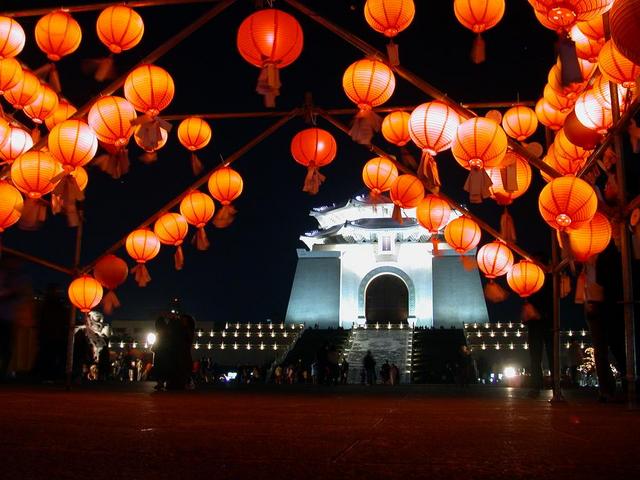
Paper lantern
Lanterns made of paper for festivals, light, and celebration across Asia and beyond
🇨🇳 China and 7 more · Parade or display
Decoration
Paper lantern
Lanterns made of paper for festivals, light, and celebration across Asia and beyond
🇨🇳 China and 7 more · Parade or display
 Decoration
Tanabataたなばた / 七夕
Japan’s festival of wishes, bamboo, and colorful paper decorations
🇯🇵 Japan · Custom, Jul to Aug
Decoration
Tanabataたなばた / 七夕
Japan’s festival of wishes, bamboo, and colorful paper decorations
🇯🇵 Japan · Custom, Jul to Aug
Photo credits on this page
The small pictures above come from Wikimedia Commons under free licences. Some are cropped to fit.
- Hanami: Unknown author, CC BY-SA 3.0, source
- National Cherry Blossom Festival: MBisanz, CC BY-SA 3.0, source
- Kusudama: Angie, CC BY 2.0, source
- Hinamatsuri: Lalupa, CC BY-SA 4.0, source
- Ikebana: Joe Mabel, CC BY-SA 3.0, source
- Shinjuku Gyoen: Kakidai, CC BY-SA 3.0, source
- Chrysanthemum Throne: Prime Minister's official residence (首相官邸), CC BY 4.0, source
- Floral design: Jmaxx37, CC BY-SA 4.0, source
- Floristry: Joachimj, CC BY-SA 3.0, source
- Bonkei: Utagawa Hiroshige, Public domain, source
- Paper lantern: PhiloVivero, CC BY-SA 3.0, source
- Tanabata: Laika ac, CC BY-SA 2.0, source
- Hitachi Seaside Park Nemophila: Miyuki Meinaka, CC BY-SA 4.0, source
- Kenroku En Kanazawa: 663highland, CC BY 2.5, source
- Japan: Yae Yamamoto, CC BY-SA 4.0, source