🇮🇳 The flowers of India
261 pages from India: its flowers, the things made with them and the places to see them, across 60 cities and regions.
India’s flowering plants are among the most varied on Earth, with over 18,000 species thriving across its many climates. From Himalayan conifers to tropical rainforests and dry plains, each region supports its own mix of wildflowers and trees. India is also known for its wealth of medicinal plants and high number of unique native species.
- India has over 18,000 species of flowering plants.
- Eight main floristic regions divide the country’s plant life.
- More than 3,000 species are used in traditional medicine.
- The Andaman Islands are known for mangrove forests.
- About 1,336 plant species are threatened by habitat loss.
The plant life of India
India’s plant life is shaped by its wide range of climates, from tropical to alpine. The country supports more than 18,000 species of flowering plants, making up a significant share of the world’s total. Forests cover about a fifth of the land, with broad-leaved deciduous trees like sal and teak common in many areas. Conifers such as pine and deodar grow in the high northern mountains, while tropical rainforests are found in the Andaman Islands, the Western Ghats, and the northeast. Each region’s unique conditions have led to a remarkable diversity of flowers and trees.
From region to region in India
The flora shifts dramatically from one part of India to another. The Himalayas are home to conifers and alpine flowers, while Assam and the northeast have evergreen forests. The Indus plain is drier, supporting tough, drought-resistant plants. Central and southern India feature dry forests dominated by teak, and the Deccan and western Gangetic plain have thorny vegetation. The Andaman Islands are noted for their mangroves and rainforests, and the Malabar region supports both lush woods and plantations.
Flowers to know in India
India is rich in endemic flowering plants, with many species found nowhere else. Sal and teak are two of the most widespread and important trees. Pines, junipers, and deodars are typical in the Himalayas. The country also has a long tradition of using over 3,000 plant species for medicine, and more than 800 are used by tribal communities. The Andaman Islands stand out for their unique mangrove species.
How flowers are used in India
Plants have been central to Indian life for centuries, especially as sources of traditional medicine. Thousands of species are officially recognized for their medicinal value, and many are still used by tribal groups. Plantation crops are important in regions like Malabar. Ethnobotanical research continues to document how people use native flowers and plants.
Threats and protection in India
Habitat loss threatens over 1,300 plant species in India, with about 20 possibly extinct. Conservation efforts include the publication of a Red Data Book by the Botanical Survey of India, which lists endangered plants. Forest cover remains below the national target, and protecting rare and endemic species is an ongoing concern.
The facts in this overview come from the Wikipedia article "Flora of India", written by its contributors and used under the CC BY-SA 4.0 licence. Phool rewrote the text in its own words, with AI assistance, and compares every page with the article to make sure no passage is copied. It may be reused under the same CC BY-SA 4.0 licence with a link back.
Flower experiences in India
 🇮🇳 Mumbai · All yearDadar flower market at dawnMumbai's wholesale flower market beside Dadar station, at its busiest before the city has had breakfast.
 🇮🇳 Kolkata · All yearMullick Ghat flower market under Howrah BridgeA crowded riverside flower market on the Hooghly, in the shadow of Howrah Bridge.
 🇮🇳 Bengaluru · All yearKR Market flower hallBengaluru's old city market, where the flower floor is best seen from the stairs above.
 🇮🇳 Chennai · All yearKoyambedu wholesale flower marketThe flower block of Chennai's vast Koyambedu wholesale complex, busiest before sunrise.
 🇮🇳 Madurai · All yearMadurai malli at the Mattuthavani flower marketThe wholesale market that sets the daily price of Madurai malli, the jasmine the city is famous for.
🇮🇳 Delhi · All yearGhazipur phool mandiDelhi's wholesale flower market in the east of the city, where the capital's bouquets and garlands begin.
🇮🇳 Madurai · All yearMadurai malli at the Mattuthavani flower marketThe wholesale market that sets the daily price of Madurai malli, the jasmine the city is famous for.
🇮🇳 Delhi · All yearGhazipur phool mandiDelhi's wholesale flower market in the east of the city, where the capital's bouquets and garlands begin.Cities and regions of India
 Rosa gigantea
A wild climbing rose with the largest flowers of any rose species
🇮🇳 India and 2 more · Wildflower
Rosa gigantea
A wild climbing rose with the largest flowers of any rose species
🇮🇳 India and 2 more · Wildflower
 Butterfly peaClitoria ternatea
A climbing herb with vivid blue flowers used for dye, tea and soil improvement
🇮🇩 Indonesia and 8 more · Climber
Butterfly peaClitoria ternatea
A climbing herb with vivid blue flowers used for dye, tea and soil improvement
🇮🇩 Indonesia and 8 more · Climber
 Guizotia abyssinica
An annual herb grown for its oil-rich seeds and yellow flower heads
🇪🇹 Ethiopia and 6 more · Wildflower
Guizotia abyssinica
An annual herb grown for its oil-rich seeds and yellow flower heads
🇪🇹 Ethiopia and 6 more · Wildflower
 Calotropis
A wild and weedy flowering plant with milky sap and fragrant blooms
🇮🇳 India and 1 more · Wildflower
Calotropis
A wild and weedy flowering plant with milky sap and fragrant blooms
🇮🇳 India and 1 more · Wildflower
 Mesua
Evergreen shrubs and small trees from tropical southern and southeast Asia
🇮🇳 India and 4 more · Flowering tree
Mesua
Evergreen shrubs and small trees from tropical southern and southeast Asia
🇮🇳 India and 4 more · Flowering tree
 Daffodil orchidIpsea speciosa
A rare bright yellow orchid of the hills in Sri Lanka and southern India
🇱🇰 Sri Lanka and 1 more · Wildflower
Daffodil orchidIpsea speciosa
A rare bright yellow orchid of the hills in Sri Lanka and southern India
🇱🇰 Sri Lanka and 1 more · Wildflower
 Grey orchidVanda tessellata
A yellow and brown checkered orchid from the Indian subcontinent to Indochina
🇮🇳 India · Wildflower
Grey orchidVanda tessellata
A yellow and brown checkered orchid from the Indian subcontinent to Indochina
🇮🇳 India · Wildflower
 Prickly blue poppyMeconopsis horridula
A spiny blue poppy from the high Himalayas and western China
🇮🇳 India and 4 more · Wildflower
Prickly blue poppyMeconopsis horridula
A spiny blue poppy from the high Himalayas and western China
🇮🇳 India and 4 more · Wildflower
 Primula capitata
A Himalayan primrose with globe-shaped clusters of purple flowers
🇧🇹 Bhutan and 1 more · Wildflower
Primula capitata
A Himalayan primrose with globe-shaped clusters of purple flowers
🇧🇹 Bhutan and 1 more · Wildflower
 Kashmir IrisIris kashmiriana
A fragrant iris from the western Himalaya, often planted on graves in Kashmir
🇮🇳 India and 4 more · Wildflower
Kashmir IrisIris kashmiriana
A fragrant iris from the western Himalaya, often planted on graves in Kashmir
🇮🇳 India and 4 more · Wildflower
 Freshwater mangroveBarringtonia acutangula
A riverside tree with long drooping white flower clusters
🇦🇫 Afghanistan and 8 more · Flowering tree
Freshwater mangroveBarringtonia acutangula
A riverside tree with long drooping white flower clusters
🇦🇫 Afghanistan and 8 more · Flowering tree
 Paphiopedilum insigne
A rare slipper orchid from the Khasi hills with helmet-shaped yellow flowers
🇮🇳 India and 2 more · Wildflower
Paphiopedilum insigne
A rare slipper orchid from the Khasi hills with helmet-shaped yellow flowers
🇮🇳 India and 2 more · Wildflower
 Elephant creeperArgyreia nervosa
A climbing vine from Asia with large leaves and psychoactive seeds
🇮🇳 India · Wildflower
Elephant creeperArgyreia nervosa
A climbing vine from Asia with large leaves and psychoactive seeds
🇮🇳 India · Wildflower
 Yellow Himalayan fritillaryFritillaria cirrhosa
A rare Himalayan lily with bell-shaped, checkered flowers and prized medicinal bulbs
🇨🇳 China and 5 more · Wildflower
Yellow Himalayan fritillaryFritillaria cirrhosa
A rare Himalayan lily with bell-shaped, checkered flowers and prized medicinal bulbs
🇨🇳 China and 5 more · Wildflower
 White garland-lilyHedychium coronarium
Tall, fragrant white flowers from the ginger family, grown and loved across continents
🇮🇳 India and 7 more · Wildflower
White garland-lilyHedychium coronarium
Tall, fragrant white flowers from the ginger family, grown and loved across continents
🇮🇳 India and 7 more · Wildflower
 BroomCytisus scoparius
A yellow-flowered shrub found wild and grown in gardens, now invasive in many regions
🇮🇪 Ireland and 6 more · Flowering shrub
BroomCytisus scoparius
A yellow-flowered shrub found wild and grown in gardens, now invasive in many regions
🇮🇪 Ireland and 6 more · Flowering shrub
 Bayur treePterospermum acerifolium
A tall Southeast Asian tree with large fragrant white flowers and dinner-plate leaves
🇲🇲 Myanmar and 2 more · Flowering tree
Bayur treePterospermum acerifolium
A tall Southeast Asian tree with large fragrant white flowers and dinner-plate leaves
🇲🇲 Myanmar and 2 more · Flowering tree
 MahuaMadhuca longifolia
A tropical tree with sweet edible flowers and oil-rich seeds
🇮🇳 India and 4 more · Flowering tree
MahuaMadhuca longifolia
A tropical tree with sweet edible flowers and oil-rich seeds
🇮🇳 India and 4 more · Flowering tree
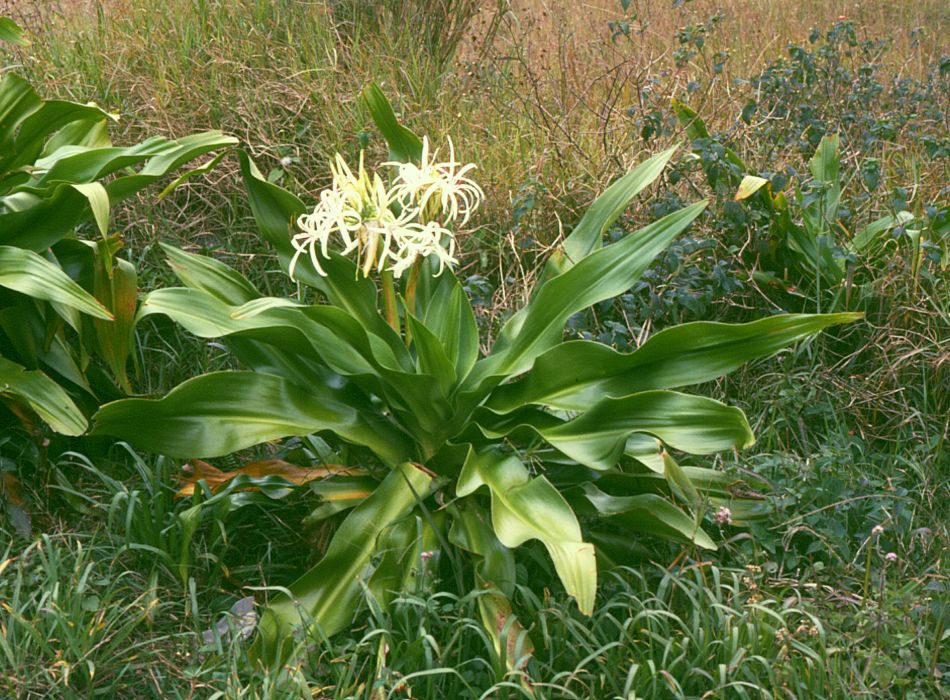 Poison bulbCrinum asiaticum
A large white-flowered lily grown in warm gardens, toxic if eaten
🇲🇲 Myanmar and 5 more · Wildflower
Poison bulbCrinum asiaticum
A large white-flowered lily grown in warm gardens, toxic if eaten
🇲🇲 Myanmar and 5 more · Wildflower
 Orange jasmineMurraya paniculata
A fragrant shrub or small tree with white flowers and orange-red berries
🇨🇳 China and 7 more · Wildflower
Orange jasmineMurraya paniculata
A fragrant shrub or small tree with white flowers and orange-red berries
🇨🇳 China and 7 more · Wildflower
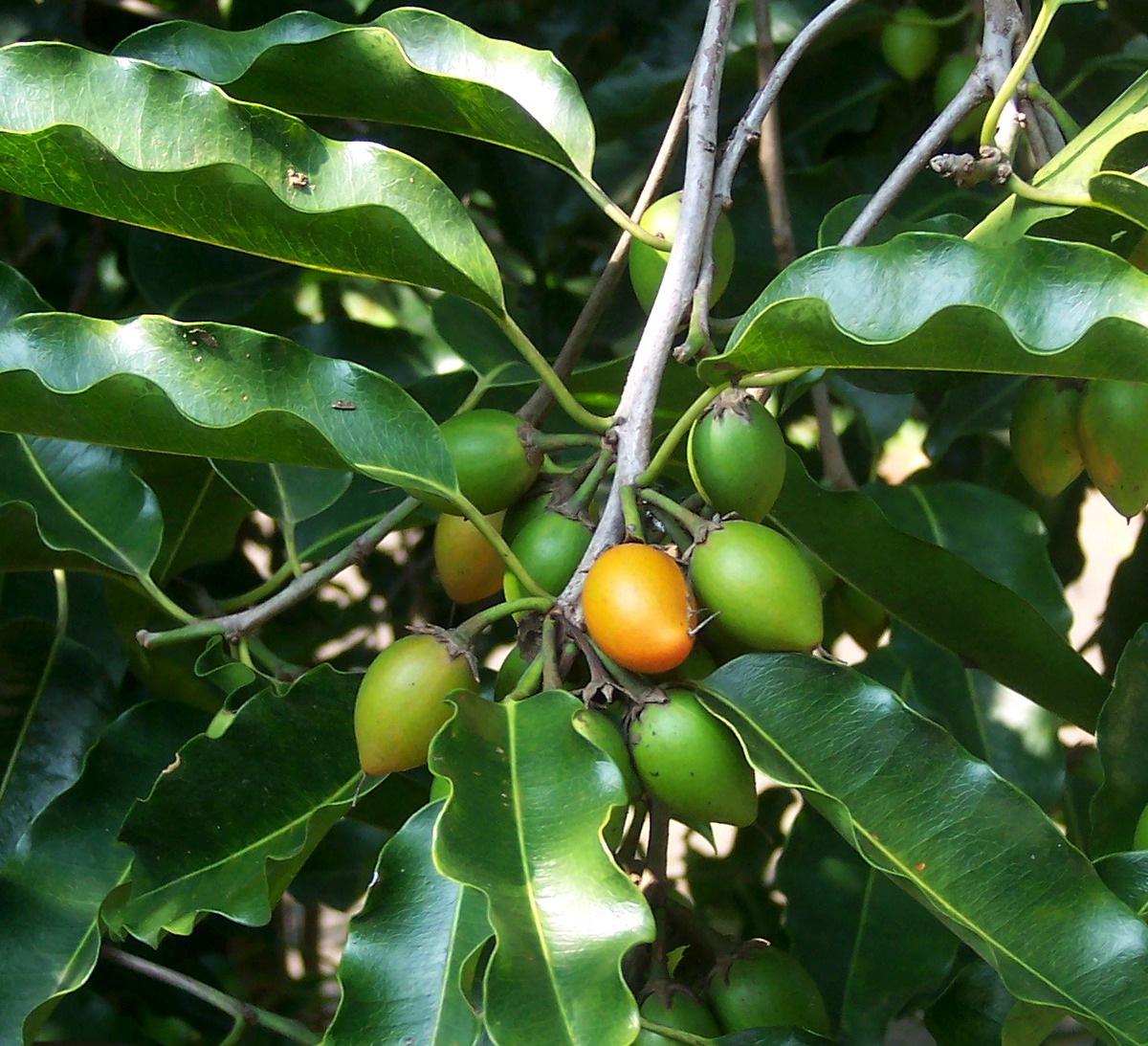 Spanish cherryMimusops elengi
A fragrant evergreen tree with cream flowers and edible fruit
🇮🇳 India and 7 more · Flowering tree
Spanish cherryMimusops elengi
A fragrant evergreen tree with cream flowers and edible fruit
🇮🇳 India and 7 more · Flowering tree
 Datura metelधतूरा
A shrubby plant with trumpet-shaped flowers, grown for ornament and tradition
🇮🇳 India and 4 more · Garden flower
Datura metelधतूरा
A shrubby plant with trumpet-shaped flowers, grown for ornament and tradition
🇮🇳 India and 4 more · Garden flower
 Ceylon ironwoodMesua ferrea
A slow-growing tree with drooping red leaves and large white scented blooms
🇱🇰 Sri Lanka and 6 more · Flowering tree
Ceylon ironwoodMesua ferrea
A slow-growing tree with drooping red leaves and large white scented blooms
🇱🇰 Sri Lanka and 6 more · Flowering tree
 Indian chrysanthemumChrysanthemum indicum
A yellow or white-flowered chrysanthemum native to China
🇨🇳 China and 1 more · Wildflower
Indian chrysanthemumChrysanthemum indicum
A yellow or white-flowered chrysanthemum native to China
🇨🇳 China and 1 more · Wildflower
 Hairy Water LilyNymphaea pubescens
A night-blooming water lily with softly hairy leaves and large pink or white flowers
🇧🇩 Bangladesh and 7 more · Water flower
Hairy Water LilyNymphaea pubescens
A night-blooming water lily with softly hairy leaves and large pink or white flowers
🇧🇩 Bangladesh and 7 more · Water flower
 Porcupine flowerBarleria prionitis
A spiny yellow-flowered shrub grown for hedges, medicine and ornament
🇲🇲 Myanmar and 7 more · Flowering shrub
Porcupine flowerBarleria prionitis
A spiny yellow-flowered shrub grown for hedges, medicine and ornament
🇲🇲 Myanmar and 7 more · Flowering shrub
 Millingtonia hortensis
Tall, fragrant-flowered tree known as tree jasmine or Indian cork tree
🇮🇳 India · Flowering tree
Millingtonia hortensis
Tall, fragrant-flowered tree known as tree jasmine or Indian cork tree
🇮🇳 India · Flowering tree
 Beach naupakaScaevola taccada
A salt-tolerant shrub with fan-shaped white flowers on tropical beaches
🇨🇳 China and 7 more · Wildflower
Beach naupakaScaevola taccada
A salt-tolerant shrub with fan-shaped white flowers on tropical beaches
🇨🇳 China and 7 more · Wildflower
 Bengal trumpetThunbergia grandiflora
A climbing vine with large blue-violet trumpet flowers from Southeast Asia
🇮🇳 India and 7 more · Climber
Bengal trumpetThunbergia grandiflora
A climbing vine with large blue-violet trumpet flowers from Southeast Asia
🇮🇳 India and 7 more · Climber
 Arabian jasmineJasminum sambac
A small white jasmine with a strong, sweet scent, treasured in Asia for garlands and ceremonies
🇨🇳 China and 7 more · Flowering shrub
Arabian jasmineJasminum sambac
A small white jasmine with a strong, sweet scent, treasured in Asia for garlands and ceremonies
🇨🇳 China and 7 more · Flowering shrub
 Crown of thornsEuphorbia milii
A spiny flowering shrub with red, pink, or white bracts, native to Madagascar
🇲🇬 Madagascar and 5 more · Wildflower
Crown of thornsEuphorbia milii
A spiny flowering shrub with red, pink, or white bracts, native to Madagascar
🇲🇬 Madagascar and 5 more · Wildflower
 Cleome houtteana
Tall annual with pink, purple, or white flowers and long, whisker-like stamens
🇦🇷 Argentina and 5 more · Garden flower
Cleome houtteana
Tall annual with pink, purple, or white flowers and long, whisker-like stamens
🇦🇷 Argentina and 5 more · Garden flower
 Elegant zinniaZinnia elegans
A bright annual garden flower from Mexico with many colourful forms
🇲🇽 Mexico and 5 more · Garden flower
Elegant zinniaZinnia elegans
A bright annual garden flower from Mexico with many colourful forms
🇲🇽 Mexico and 5 more · Garden flower
 Ixora
Tropical evergreen shrubs with clusters of small, bright flowers
🇮🇳 India and 4 more · Garden flower
Ixora
Tropical evergreen shrubs with clusters of small, bright flowers
🇮🇳 India and 4 more · Garden flower
 Dutchman's pipe cactusEpiphyllum oxypetalum
A night-blooming cactus with large, fragrant white flowers
🇲🇽 Mexico and 7 more · Wildflower
Dutchman's pipe cactusEpiphyllum oxypetalum
A night-blooming cactus with large, fragrant white flowers
🇲🇽 Mexico and 7 more · Wildflower
 Foxtail orchidRhynchostylis retusa
A long, hanging orchid with many pink-spotted white blooms
🇮🇳 India and 7 more · Wildflower
Foxtail orchidRhynchostylis retusa
A long, hanging orchid with many pink-spotted white blooms
🇮🇳 India and 7 more · Wildflower
 DaylilyHemerocallis
Perennial Asian plant with large, short-lived flowers in many colors
🇨🇳 China and 5 more · Garden flower
DaylilyHemerocallis
Perennial Asian plant with large, short-lived flowers in many colors
🇨🇳 China and 5 more · Garden flower
 Yellow oleanderCascabela thevetia
A tropical shrub with funnel-shaped yellow flowers and toxic seeds
🇲🇽 Mexico and 5 more · Flowering shrub
Yellow oleanderCascabela thevetia
A tropical shrub with funnel-shaped yellow flowers and toxic seeds
🇲🇽 Mexico and 5 more · Flowering shrub
 Noble dendrobiumDendrobium nobile
A fragrant orchid with waxy blooms from the Himalayas and southern China
🇨🇳 China and 7 more · Orchid
Noble dendrobiumDendrobium nobile
A fragrant orchid with waxy blooms from the Himalayas and southern China
🇨🇳 China and 7 more · Orchid
 Pride of IndiaLagerstroemia speciosa
A tree with showy pink to purple flowers, grown across South and Southeast Asia
🇮🇳 India and 6 more · Flowering tree
Pride of IndiaLagerstroemia speciosa
A tree with showy pink to purple flowers, grown across South and Southeast Asia
🇮🇳 India and 6 more · Flowering tree
 KadambaNeolamarckia cadamba
A tropical tree with fragrant orange globe-shaped flowers from South and Southeast Asia
🇮🇳 India and 7 more · Flowering tree
KadambaNeolamarckia cadamba
A tropical tree with fragrant orange globe-shaped flowers from South and Southeast Asia
🇮🇳 India and 7 more · Flowering tree
 Crape myrtleLagerstroemia indica
A summer-flowering tree with crinkled blooms in white, pink, purple or red
🇨🇳 China and 7 more · Flowering tree
Crape myrtleLagerstroemia indica
A summer-flowering tree with crinkled blooms in white, pink, purple or red
🇨🇳 China and 7 more · Flowering tree
 Yellow Flame TreePeltophorum pterocarpum
A tall tree with masses of golden yellow summer flowers
🇦🇺 Australia and 7 more · Flowering tree
Yellow Flame TreePeltophorum pterocarpum
A tall tree with masses of golden yellow summer flowers
🇦🇺 Australia and 7 more · Flowering tree
 Pink trumpet treeHandroanthus impetiginosus
A tall South American tree with pink trumpet-shaped flowers
🇵🇾 Paraguay and 4 more · Flowering tree
Pink trumpet treeHandroanthus impetiginosus
A tall South American tree with pink trumpet-shaped flowers
🇵🇾 Paraguay and 4 more · Flowering tree
 NasturtiumTropaeolum majus
A bright edible flower with round leaves and trailing stems
🇧🇴 Bolivia and 5 more · Garden flower
NasturtiumTropaeolum majus
A bright edible flower with round leaves and trailing stems
🇧🇴 Bolivia and 5 more · Garden flower
 NeelakurinjiStrobilanthes kunthiana
A blue-purple shrub that blooms once every 12 years in South India's hills
🇮🇳 India · Wildflower
NeelakurinjiStrobilanthes kunthiana
A blue-purple shrub that blooms once every 12 years in South India's hills
🇮🇳 India · Wildflower
 Vandaवन्दाका
A tropical orchid genus prized for its vivid, long-lasting flowers
🇮🇳 India and 5 more · Wildflower
Vandaवन्दाका
A tropical orchid genus prized for its vivid, long-lasting flowers
🇮🇳 India and 5 more · Wildflower
 Curcuma
A group of ginger relatives with edible rhizomes, including turmeric
🇮🇳 India and 3 more · Herb or useful flower
Curcuma
A group of ginger relatives with edible rhizomes, including turmeric
🇮🇳 India and 3 more · Herb or useful flower
Photo credits on this page
The small pictures above come from Wikimedia Commons under free licences. Some are cropped to fit.
- Lotus: Peripitus, CC BY-SA 4.0, source
- Rosa gigantea: Joseph Dalton Hooker (1817-1911) und William Botting Helmsley (1843-19, Public domain, source
- Butterfly pea: Suyash Dwivedi, CC BY-SA 4.0, source
- Guizotia abyssinica: Silvestresbrasileiros, Public domain, source
- Calotropis: Forest & Kim Starr, CC BY 3.0, source
- Mesua: Scott Zona, CC BY 2.0, source
- Daffodil orchid: Walter Hood Fitch (1817-1892) del. et lith. Description by Joseph Dalt, Public domain, source
- Grey orchid: Designer:M. Hart - Engraver: J. Watts, Public domain, source
- Prickly blue poppy: Missbge, CC BY-SA 3.0, source
- Primula capitata: Ghislain118 http://www.fleurs-des-montagnes.net, CC BY-SA 3.0, source
- Kashmir Iris: Yercaud-elango, CC BY-SA 4.0, source
- Freshwater mangrove: Nguyen Quang Tuan, CC BY 2.0, source
- Paphiopedilum insigne: Orchi, CC BY-SA 3.0, source
- Elephant creeper: Forest & Kim Starr, CC BY 3.0, source
- Yellow Himalayan fritillary: Popolon, CC BY-SA 3.0, source
- White garland-lily: Forest & Kim Starr, CC BY 3.0, source
- Broom: Willow, CC BY 2.5, source
- Bayur tree: J.M.Garg, CC BY 3.0, source
- Mahua: Nvvchar, CC BY-SA 3.0, source
- Poison bulb: Franz Xaver, CC BY-SA 3.0, source
- Orange jasmine: Forest & Kim Starr, CC BY 3.0, source
- Spanish cherry: Wibowo Djatmiko ( Wie146 ), CC BY-SA 3.0, source
- Datura metel: Don McCulley, CC BY-SA 4.0, source
- Ceylon ironwood: Anand Osuri, CC BY-SA 4.0, source
- Indian chrysanthemum: KENPEI, CC BY-SA 3.0, source
- Hairy Water Lily: Bernard Loison, CC BY-SA 2.5, source
- Porcupine flower: J.M.Garg, CC BY-SA 4.0, source
- Millingtonia hortensis: J.M.Garg, CC BY-SA 4.0, source
- Beach naupaka: Forest & Kim Starr, CC BY 3.0, source
- Bengal trumpet: Don McCulley, CC BY-SA 4.0, source
- Arabian jasmine: Taken by Fanghong, CC BY-SA 3.0, source
- Crown of thorns: Ezra Katz, CC BY-SA 3.0, source
- Cleome houtteana: Wiki Farazi, CC0, source
- Elegant zinnia: Simon Koopmann, CC BY-SA 2.0 de, source
- Ixora: Wilfredor, CC0, source
- Dutchman's pipe cactus: Bobjgalindo, CC BY-SA 4.0, source
- Foxtail orchid: Andri Suprihardi, CC BY 2.0, source
- Daylily: Doronenko, CC BY 2.5, source
- Yellow oleander: Anshik Kumar Tiwari, CC BY-SA 4.0, source
- Noble dendrobium: Maja Dumat, CC BY 2.0, source
- Pride of India: The original uploader was Lokenrc at English Wikipedia ., CC BY 2.5, source
- Kadamba: This work was made by Tushar Hossain and released under the license(s), CC BY-SA 4.0, source
- Crape myrtle: Gabriel Collares, CC BY 4.0, source
- Yellow Flame Tree: Steve Fitzgerald, CC BY-SA 4.0, source
- Pink trumpet tree: Giles Laurent, CC BY-SA 4.0, source
- Nasturtium: George Chernilevsky, Public domain, source
- Neelakurinji: Suresh Krishna, CC BY-SA 2.0, source
- Vanda: The original uploader was Lithiumscream at English Wikipedia ., Attribution, source
- Curcuma: J.M.Garg, CC BY 3.0, source
- Kr Market Bengaluru: Pp391, CC BY-SA 3.0, source
- Dadar Flower Market Mumbai: Swaminathan, CC BY 2.0, source
- Mullick Ghat Flower Market Kolkata: Pradip paswan, CC BY-SA 4.0, source
- Koyambedu Flower Market Chennai: Sudhamshu Hebbar, CC BY 2.0, source
- Madurai Jasmine Market: எஸ்ஸார், CC BY-SA 3.0, source